Full story
Pilot zones begin
The United States announced the launch of the first "experimental zones" in Lebanon on Monday, ahead of the deployment of the Lebanese army there, following talks held between Israel and Lebanon in Rome last week.
The U.S. State Department said operations began in the towns of Frun, Sarifa, and Western Zoutr al-Gharbiyah under the "trilateral framework" supervised by the Lebanon-specific Military Coordination Group (MCG4L).

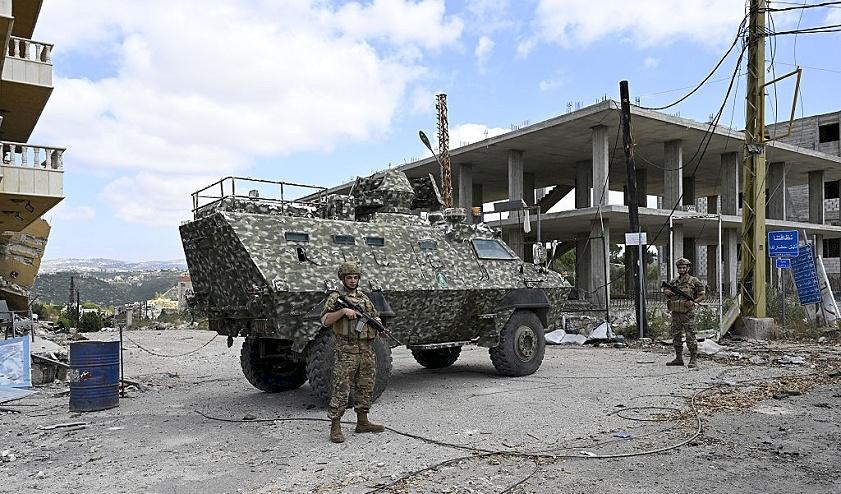
The Lebanese army said its units continue missions in southern regions, including the towns of Fron in the Bent Jbeil District and Sarifa in the Tyre District, while coordinating with MCG4L to prepare deployment in Western Zoutr al-Gharbiyah in the Nabatieh District as soon as Israeli forces withdraw.
Lebanese President Joseph Aoun will visit Washington to discuss with U.S. President Donald Trump a ceasefire and the Israeli withdrawal, as well as support for the Lebanese army and reconstruction.
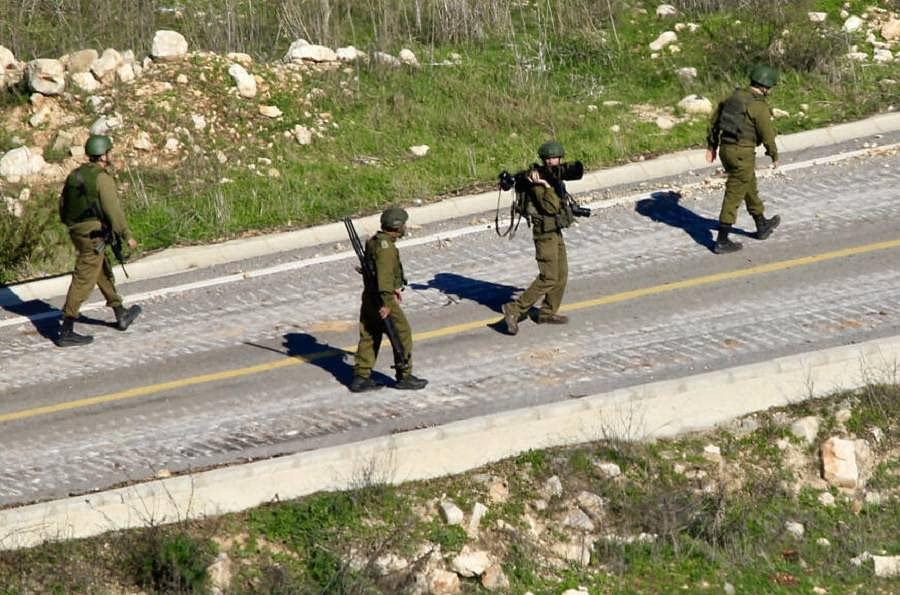
An Israeli official told Axios that the Israeli army will begin withdrawing from the "experimental zones" in southern Lebanon starting Tuesday.
Hezbollah rejects framework
The framework agreement signed by Lebanon, Israel, and the United States on June 26 provides for a reciprocal and sequential process beginning with two experimental zones, in which the Lebanese army would take over security responsibilities after verifying the disarmament of armed groups not affiliated with the state and dismantling their infrastructure.
Hezbollah rejected the framework, with the Iran-backed group insisting any arrangement in Lebanon be linked to wider negotiations between Washington and Tehran, and it has not said whether it will resist implementation in the designated areas.

A U.S. official said the step is "a direct outcome" of talks held between Israeli and Lebanese delegations in Rome last week, while also warning that "Any attempt by Hezbollah to derail, infiltrate, or re-arm in these zones would seriously harm the prospects for reconstruction and peace."
The Lebanese army leadership called on citizens not to travel to the town of Western Zoutr al-Gharbiyah at the current stage, and to comply with instructions of the deployed military units to ensure their safety until deployment procedures are completed.
The Israeli army spokesperson warned that the army "will act strongly against any violation of the agreement."
Next steps and stakes
The Lebanese presidency said Aoun stressed the need for alignment between the Lebanese and American positions regarding the implementation of the trilateral framework to enable the first Israeli withdrawal from the first model region.
In Washington, Aoun discussed mechanisms for implementing the trilateral framework with U.S. Secretary of State Marco Rubio on Sunday, and Rubio affirmed U.S. support for Aoun’s positions and steps to restore the state's sovereignty over its entire territory.
Rubio added that "Lebanon cannot be a satellite to any other negotiating track, and Lebanese sovereignty can only be expressed by decisions of Lebanese institutions."
The U.S. State Department said the pilot-zone operations were intended to enable a phased Israeli pullback from positions in south Lebanon, with the Lebanese Armed Forces to assume sole security control of vacated areas and certify that they have been cleared of Hezbollah weapons and infrastructure.
The agreement does not set a timetable for Israel's withdrawal, and the Israeli army said it would begin withdrawing from the "experimental zones" in coordination with the American and Lebanese armies, based on directives from the political level.