
U.S. Launches Self-Defense Strikes in Southern Iran, Targeting Missile Sites and Mine-Laying Boats
Key Takeaways
- U.S. launched self-defense strikes in southern Iran targeting missile launch sites and mine-laying boats.
- CENTCOM said the strikes were intended to protect U.S. troops from Iranian threats.
- Strikes occurred as Qatar talks on ending the war and ceasefire continued.
Strikes Amid Ceasefire Talks
The United States launched “self-defense strikes” in southern Iran targeting “missile launch sites and Iranian boats attempting to emplace mines,” as an Iranian delegation led by top officials traveled to Qatar for negotiations to end the US-Israel war on Iran.
Al Jazeera reported that Iranian media said explosions were heard in Bandar Abbas, some 70km (42 miles) from the Strait of Hormuz, while the US Central Command did not provide details about the strikes and their locations.
Iran’s Ministry of Foreign Affairs spokesperson Esmaeil Baghaei said a “large portion” of issues with the US had been resolved, but that a deal was “not imminent,” even as the US and Iran agreed to a ceasefire on April 8.
The Guardian said the strikes came as Mohammad Bagher Ghalibaf led a delegation of negotiators to Qatar, and it reported that local media said Iran’s foreign minister, Abbas Araghchi, and central bank governor, Abdolnaser Hemmati, were among the group.
In Washington’s framing, CENTCOM said it “continues to defend our forces while using restraint during the ongoing ceasefire,” while the diplomacy continued and the reopening of the Strait of Hormuz remained central to the talks.
Retaliation Threats and Accusations
Iran accused the United States of a “grave violation” of the ceasefire after the US military said “self-defense strikes” overnight targeted Iranian forces, while CBS News said the US described the action as “self-defense” with “restraint.”
CNN reported that the Islamic Revolutionary Guard Corps threatened to retaliate after the US carried out “self-defense strikes” on Iranian missile launch sites and boats around the Strait of Hormuz.

CNN said Iran’s Foreign Ministry accused the United States of repeatedly violating a ceasefire and carrying out attacks on Iranian commercial vessels, describing “numerous maritime robberies” against Iranian commercial ships.
In the same dispute over the ceasefire, NBC News said Iran warned the US had “committed a violation of the ceasefire in the Hormuz region over the past 48 hours,” and it quoted Tehran’s warning that it would “leave no act of aggression unanswered.”
As the standoff played out, the negotiations were still portrayed as active, with CNN noting that disputes over language concerning Iran’s nuclear program and sanctions had held up a deal even as talks continued.
What’s at Stake Next
The dispute over the Strait of Hormuz and the shape of any memorandum of understanding remained the immediate stakes, with Al Jazeera saying the US and Iran were negotiating to end the war while Rubio said the Strait of Hormuz has to be open “one way or the other.”
NBC News said the US strikes came even as Rubio told reporters in India that a deal could be finalized in “a couple of days,” and it said negotiators were down to “disagreements over a word, a sentence.”
The Guardian reported that the deal under negotiation would reportedly see Washington agree to unfreeze some Iranian assets being held in banks outside Iran, and it said the memorandum of understanding being negotiated would reportedly see Iran restore commercial shipping through the strait of Hormuz.
Al Jazeera said Baghaei told reporters in Tehran that the sides were not discussing Iran’s nuclear programme “at this stage,” with their focus being on ending the war, while the broader framework still hinged on reopening the strait.
As the ceasefire’s durability was tested by the strikes, the sources also tied the next phase to the negotiations in Qatar, where Iranian officials and Qatari mediators were meeting as the Trump administration’s negotiators participated from afar.
More on Iran
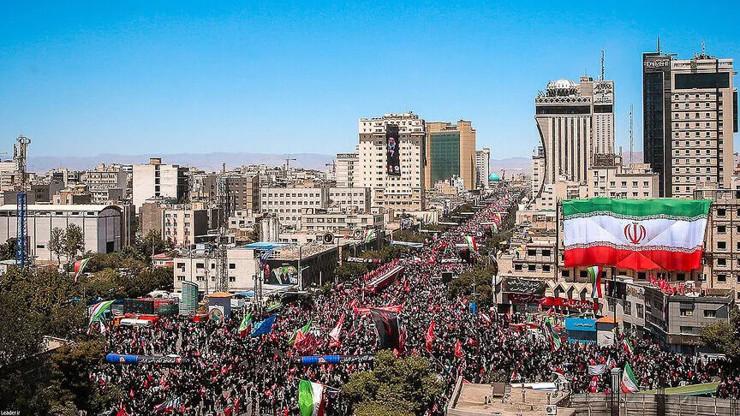
Israeli Strike Kills Ayatollah Ali Khamenei, Buried at Imam Reza Shrine in Mashhad
19 sources compared
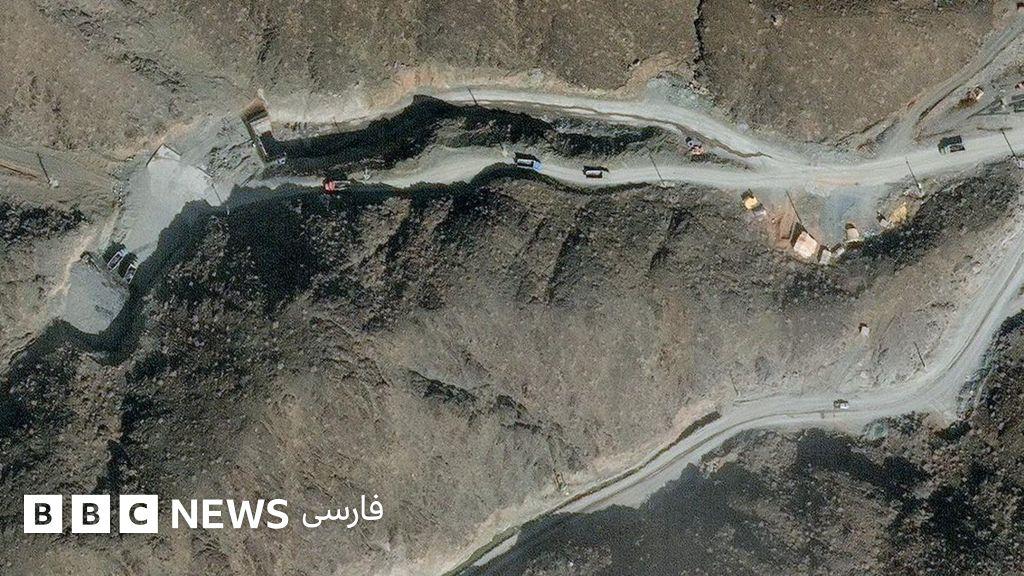
Iran Attempts To Restore Nuclear Sites Damaged In US And Israel Strikes, CNN Satellite Images Show
15 sources compared
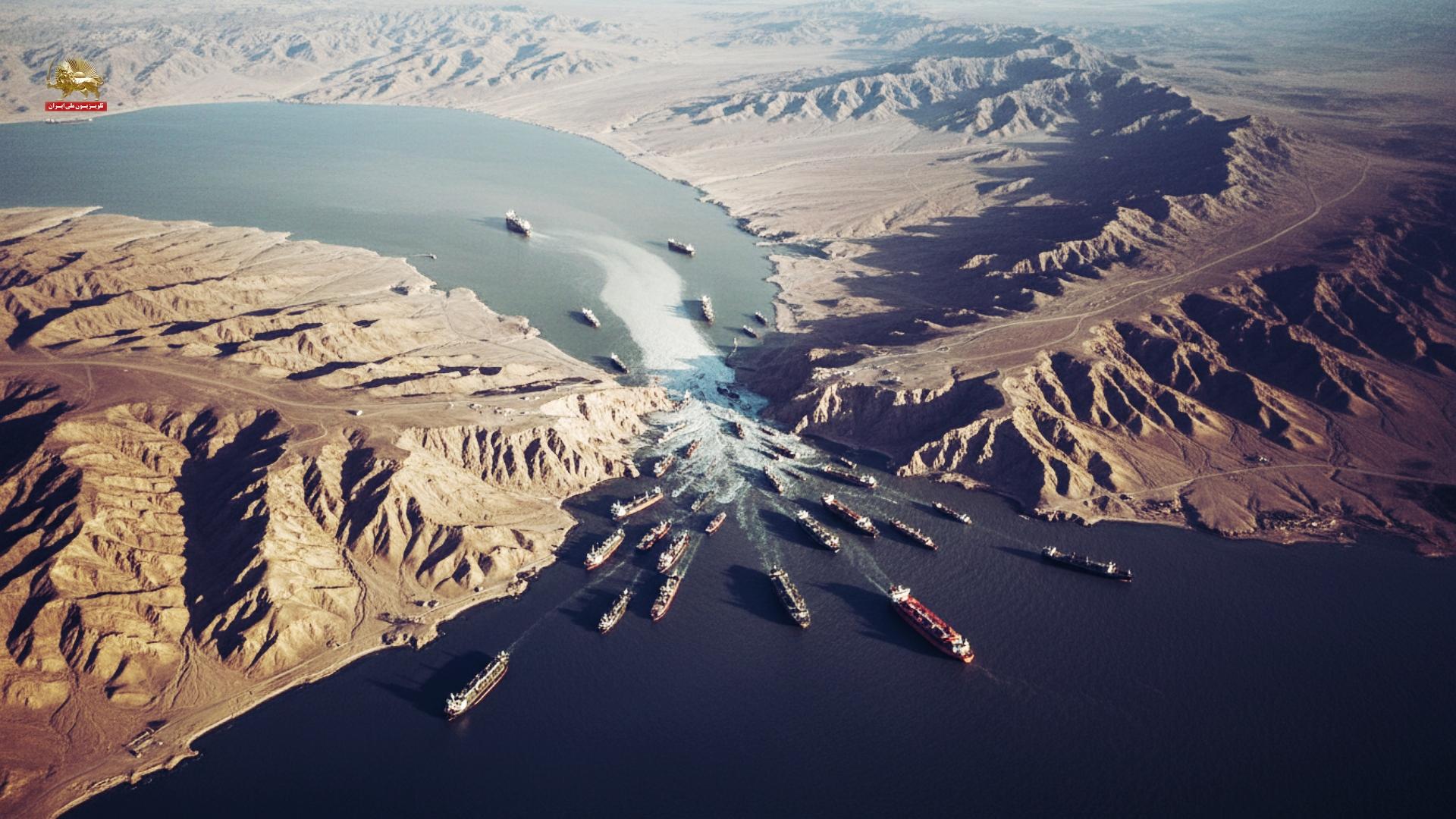
Abbas Araghchi and Prince Faisal Bin Farhan Discuss Regional Developments After US Attacks
11 sources compared

Trump Says U.S. Agreed to Continue Iran Talks, Ceasefire Is Over
19 sources compared