Full story
Seventh night of strikes
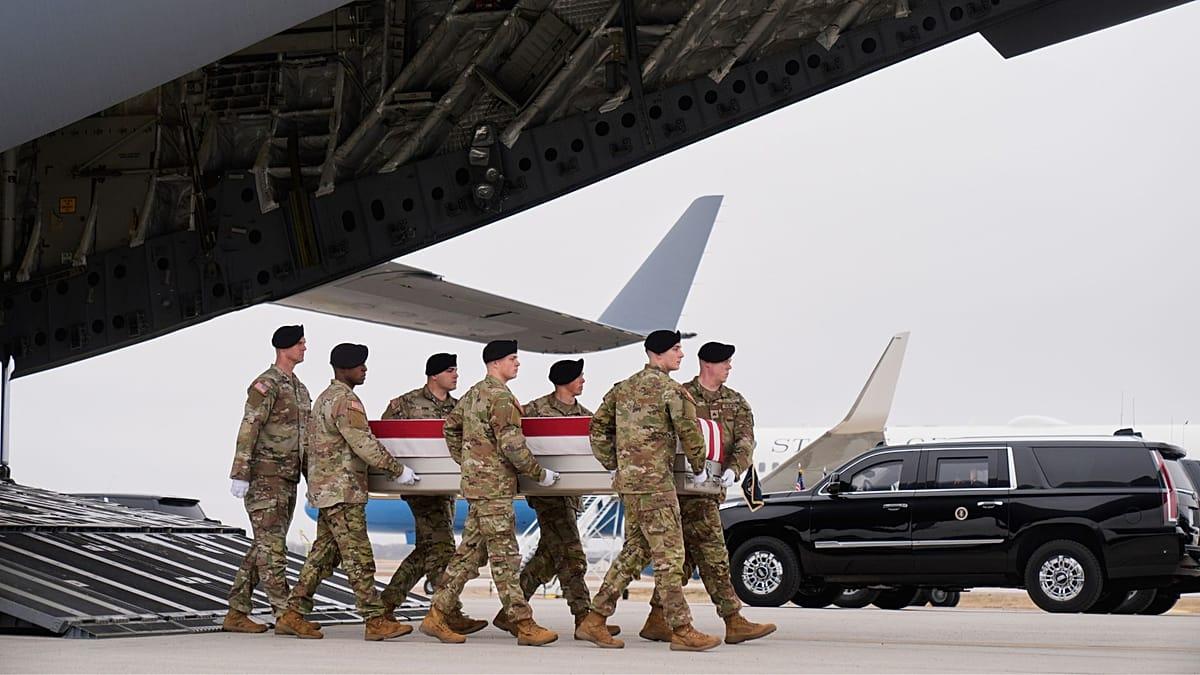
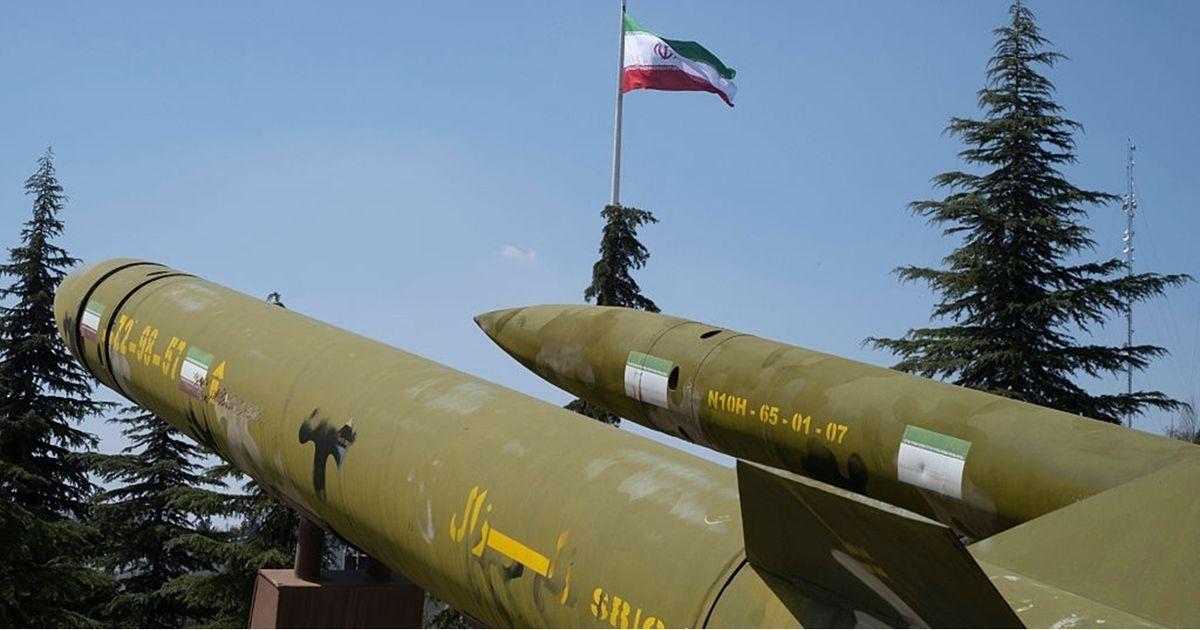
The United States launched a seventh consecutive night of strikes on Iran on Friday night as fighting escalated over the strait of Hormuz, with US Central Command saying the attacks were designed to “continue degrading Iranian military capabilities”.
“Israeli media outlets revealed that Tel Aviv is preparing for a possible expansion of the military confrontation between the United States and Iran over the coming week, with estimates that Washington may widen its target list to include Iranian civilian infrastructure”
Iranian media reported explosions in Sirik, Ahvaz and Yazd, while the US military said an IRGC claim that two oil tankers had hit mines in Hormuz and exploded was false.

The conflict continued on Saturday as Iran’s Islamic Revolutionary Guard Corps said it targeted a site where US combat aircraft were gathered at Sheikh Isa air base and an intelligence datacentre in Bahrain known as Batelco, according to Iran’s state media.
The US also targeted key electrical infrastructure and Iranshahr airport, and Iran’s energy ministry told citizens to reduce their use of electricity and air conditioning after the power grid came under strain due to US strikes on energy facilities.
The renewed fighting has focused on the strait of Hormuz, which handled about a fifth of the world’s oil and gas supply before the war, and the memorandum of understanding signed last month said the strait should be open to traffic even as both sides interpreted the deal differently.
Accusations and travel alerts
Israel’s political and military leaders are preparing for possible escalation as American forces entered a seventh consecutive day of strikes, while Israeli officials assessed that Tehran is seeking to avoid attacking Israel because of the consequences of drawing it directly into the fighting.
Israeli officials said Washington rejected Israel’s offer to join the strikes, and they said any Israeli involvement would likely depend on whether Iran attacks Israeli territory.
The U.S. State Department issued a worldwide security alert after earlier warnings focused on the Middle East, urging American citizens to exercise increased caution around the globe because “Due to heightened tensions in the Middle East, the security environment remains complex”.
Iran’s Supreme Leader Mojtaba Khamenei accused Washington of violating the ceasefire agreement in a written statement saying, “The violation of the memorandum of understanding once again proved the worthlessness of the U.S. president’s signature”.
In parallel, the US military said it had launched the strikes at 7pm GMT, while the Guardian reported that renewed US strikes had killed at least 38 people and wounded more than 400 in Iran by Friday morning, citing Hossein Kermanpour.
Hormuz leverage and wider risk
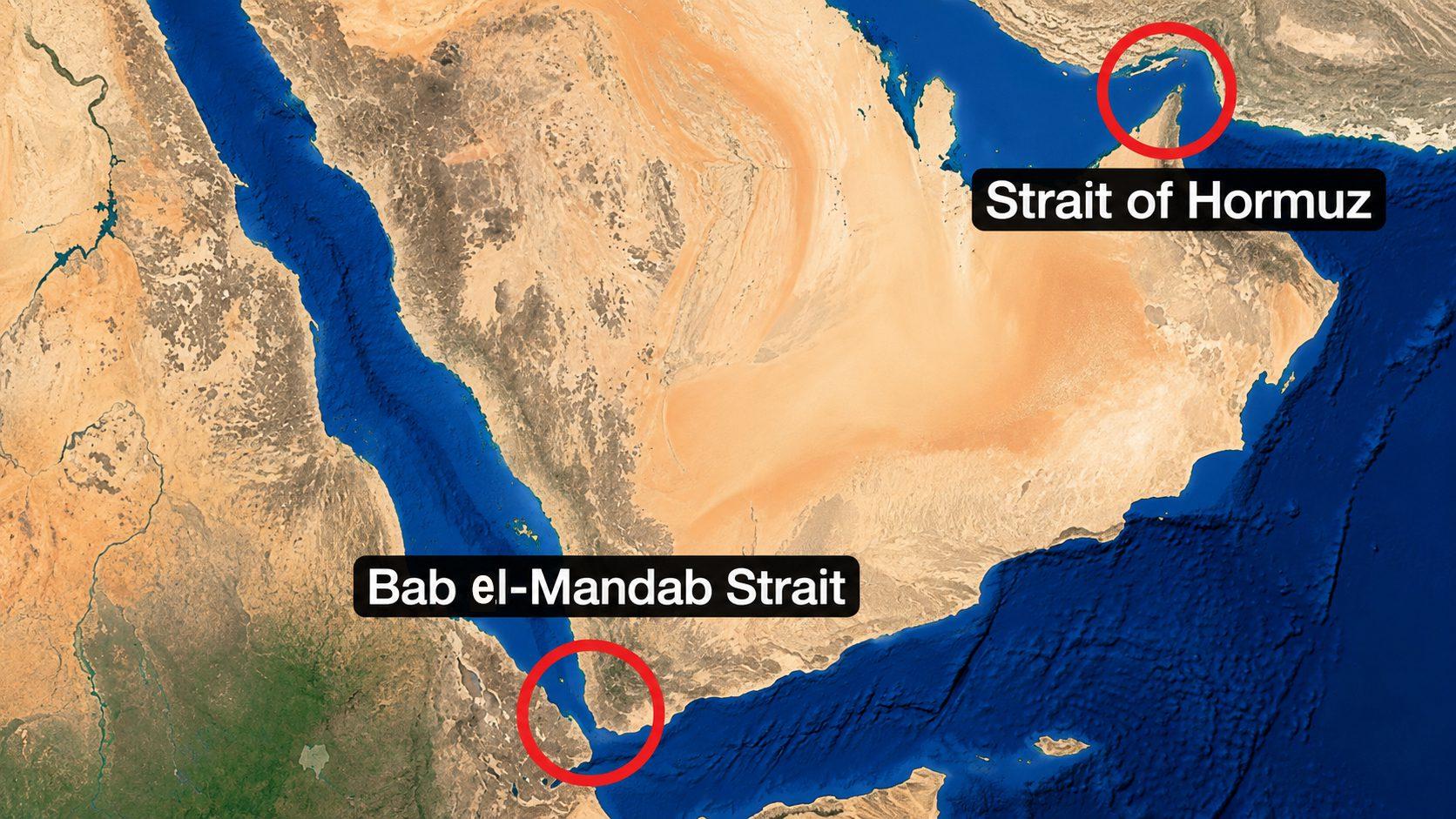
The conflict’s stakes extend beyond the strait of Hormuz, with ArabAmericanNews describing concern that the fighting could spread from the Strait of Hormuz to the Bab el-Mandeb Strait, threatening two maritime chokepoints and causing severe disruptions to global energy markets.
ArabAmericanNews also said the US resumed its naval blockade of the Islamic Republic, and that the agreement “has effectively lost its meaning and practical function and entered a stage of actual collapse”.
Iran’s Khatam al-Anbiya Central Headquarters warned that “If Washington carries out its threats to strike Iran’s infrastructure, we will strike infrastructure across the region,” while Ali Akbar Velayati said, “The Strait of Hormuz belongs to Iran, and no power in the world can strip us of sovereignty over it.”
In Israel’s framing, the Jerusalem Post quoted President Isaac Herzog saying he is “not surprised” by the strikes and the fraying US-Iran Memorandum of Understanding, calling it “impossible to do deals” because “They violate them all the time.”
As the confrontation continues, the Guardian reported that Kuwait temporarily suspended operations at its international airport because of Iranian missile and drone attacks, and it said the country relies on desalinated water for about 90% of its drinking water.