Iran17 July, 20263 min read
U.S. Marines Board M/T Wen Yao in Gulf of Oman to Enforce Naval Blockade on Iran
This article is an automated aggregation of coverage from news outlets. Our editorials offer in-depth analysis curated by the NewsCord team.
Marines from the 11th MEU boarded Wen Yao in Gulf of Oman. The operation enforces a renewed U.S. blockade on Iran's shipping.
Boarding in Gulf of Oman
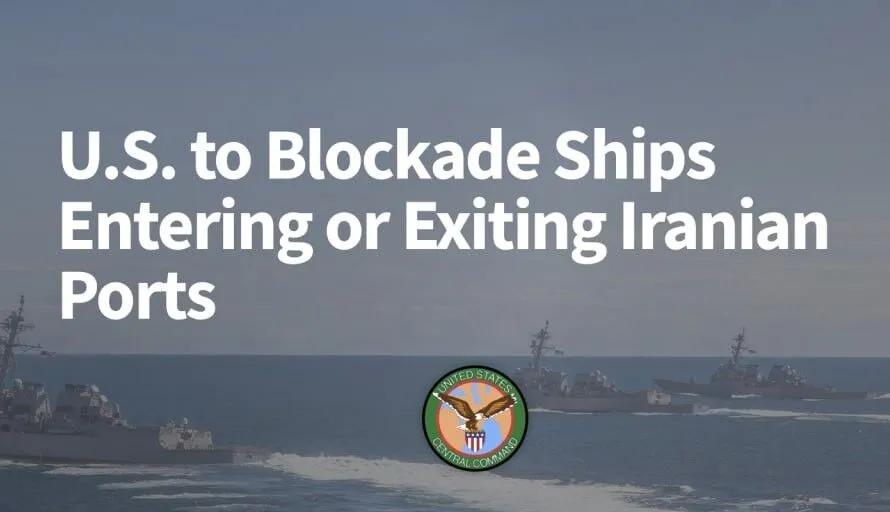
U.S. Marines from the 11th Marine Expeditionary Unit boarded the commercial tanker M/T Wen Yao in the Gulf of Oman on July 16, as part of Washington’s enforcement of its renewed naval blockade on ships trading with Iran.
CENTCOM said the operation was a “verification boarding” and stated that “American forces have redirected three commercial vessels” while disabling one that did not comply and boarding one “to ensure full compliance with the ongoing U.S. naval blockade against Iran.”

The Maritime Executive reported the USS Boxer Amphibious Ready Group intercepted and boarded a very large crude carrier in the Gulf of Oman on July 16, describing it as part of the effort to enforce the reinstated blockade on Iranian seaports.
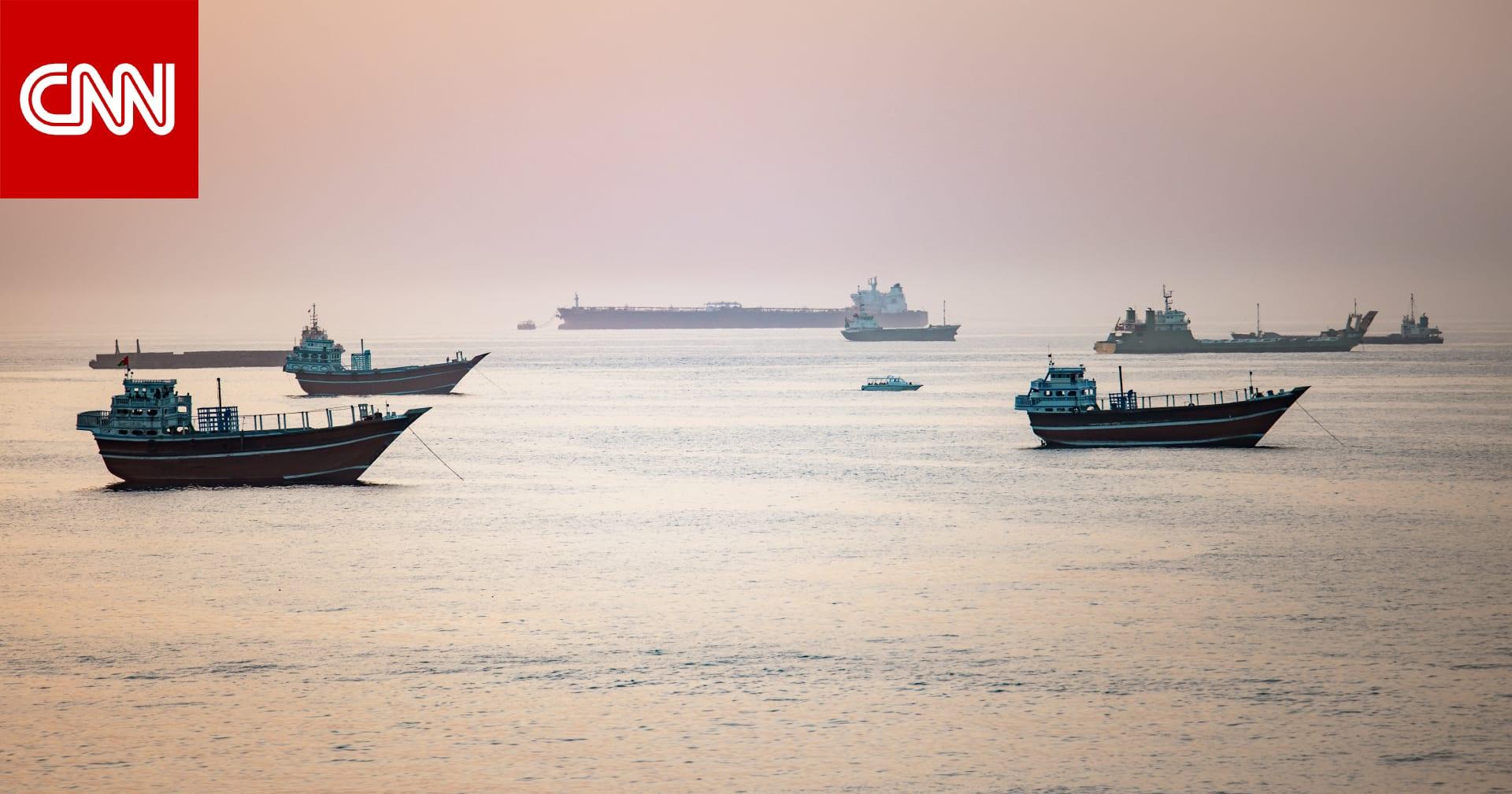
CNN reported that the UKMTO received a report of an incident involving a merchant vessel and military forces about 100 miles east of the Omani port of Duqm on Thursday, and said it remains unclear whether the vessel was intercepted as part of the renewed U.S. naval blockade.
CENTCOM also said the Strait of Hormuz and nearby waters remain open to maritime traffic except for vessels attempting to violate what it called America’s “steel wall blockade.”
Iran’s response and rhetoric
Iranian state media reported strikes around Tehran, Semnan, Hormozgan, Khuzestan, Lorestan, Markazi, Hamedan, Sistan and Baluchistan, as well as Qeshm Island near the Strait of Hormuz, while also reporting strikes around Bandar Abbas including residential areas, a railway junction west of the port city and two road bridges linking Bandar Abbas with inland areas. Iran’s Armed Forces spokesperson Brigadier General Abolfazl Shekarchi warned that Tehran could target U.S. infrastructure across West Asia if Iranian infrastructure came under attack, and told IRIB, “The reason the Strait of Hormuz is becoming insecure is the presence of the Americans.” The Hill reported White House press secretary Karoline Leavitt said, “Iran very much continues to talk to the United States of America and express that they want to make a deal with us because they are suffering devastating blowson behalf of our United States military,” during a Thursday White House briefing.
The Crypto Briefing described the Strait of Hormuz as open but restricted for ships violating the U.S.-imposed conditions, framing the situation as rising maritime tensions between the U.S. and Iran. In a separate CENTCOM statement carried by Al Ain News, the U.S. said it destroyed a watchtower at Shah Bahar Shahid Kalantari port on July 16, describing it as part of a maritime surveillance network along the Iranian coast of the Gulf of Oman used by the IRGC for decades to track and target commercial ships transiting the Strait of Hormuz.
What’s at stake next
CENTCOM said the blockade applies to ships entering or leaving Iranian ports and does not restrict other commercial traffic using the Strait of Hormuz, with White House press secretary Karoline Leavitt telling reporters, “We know that there is a blockade of ships directed by the President for ships entering and departing Iranian ports only.” The Maritime Executive reported that tensions between Iran and the U.S. were having a material effect on commercial transit volume, citing Kpler’s assessment that crude and condensate cargoes through the Strait of Hormuz had fallen to just four million barrels per day. IndexBox similarly reported that crude and condensate cargoes moving through the Strait of Hormuz have fallen to just four million barrels per day and that loadings have dropped by half in recent days, disrupting Gulf Cooperation Council states’ plans for normalizing production.
“We know that there is a blockade of ships directed by the President for ships entering and departing Iranian ports only.”
The Crypto Briefing said the blockade’s enforcement had already led to the redirection of three commercial vessels and the disabling of one that failed to comply, while describing the Strait of Hormuz as open but restricted for ships violating U.S.-imposed conditions. CNN added that the UKMTO said the incident occurred on Thursday and that the source of the report was “military authorities,” leaving uncertainty about whether the tanker involved was intercepted as part of the renewed U.S. naval blockade.