Full story
Rome talks set pilot zones
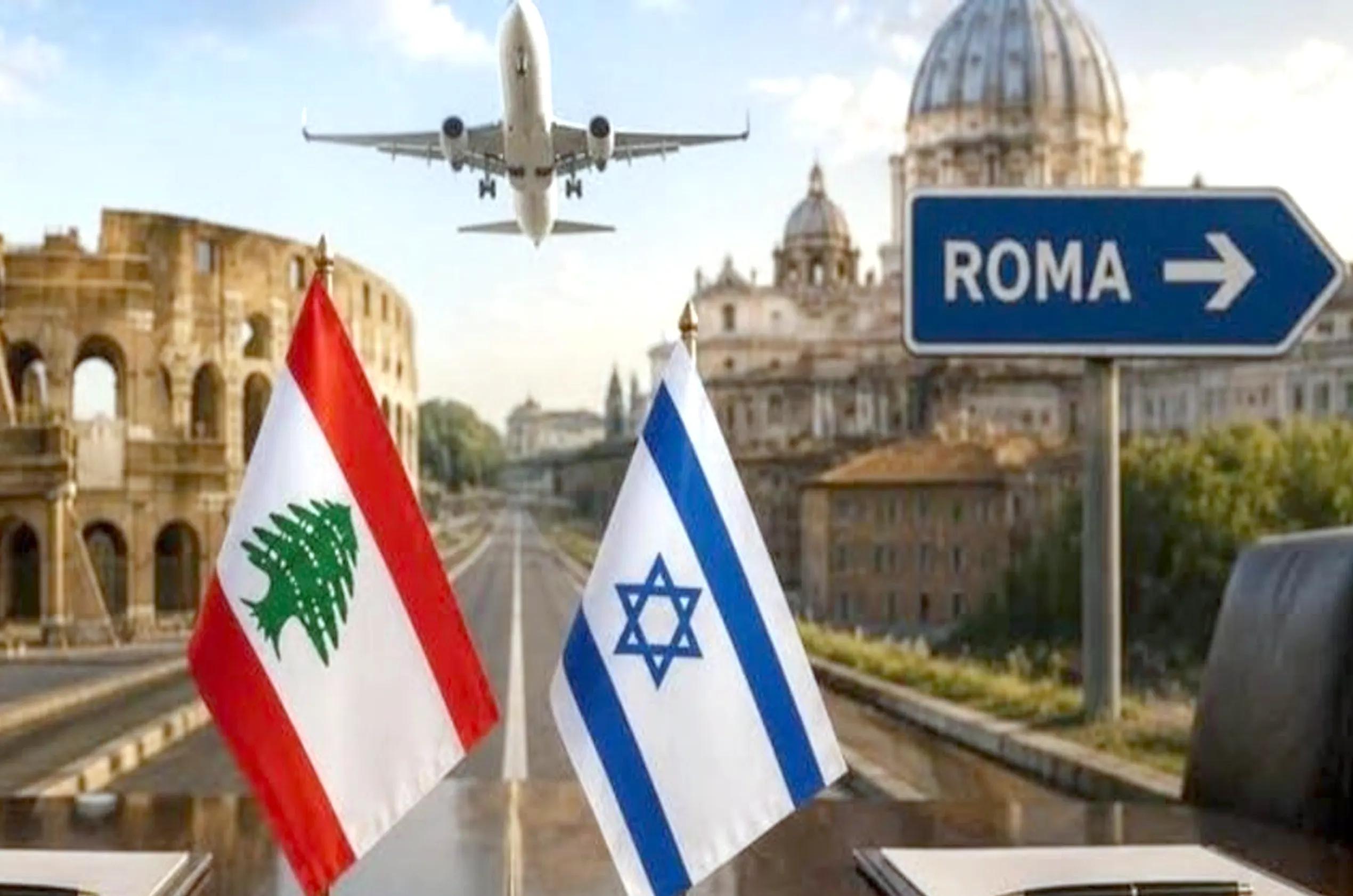
A sixth round of US-brokered talks between Israel and Lebanon concluded in Rome on Wednesday, with American officials calling the two-day meeting “productive” and saying both sides agreed to implement “pilot zones” from which Israeli forces would withdraw.
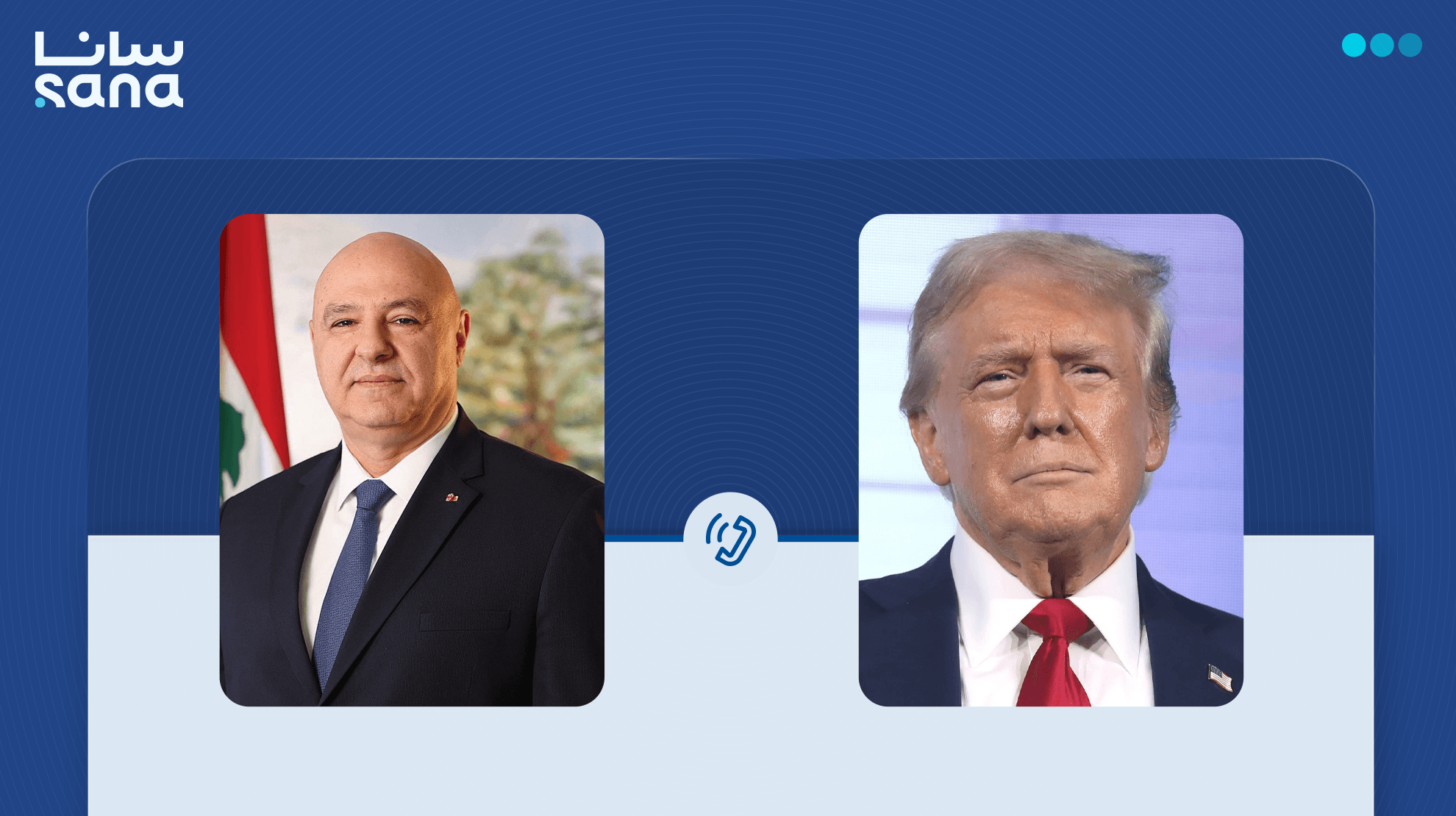
The US Embassy in Beirut said delegates “agreed on the structure and guidelines for the pilot zone process, to be finalized and implemented in the coming days,” as Lebanese President Joseph Aoun told Austrian Chancellor Christian Stocker that “efforts are ongoing to end the war on Lebanon, secure the withdrawal of Israeli forces, and deploy the Lebanese Army along the southern border.”

The talks followed a June 26 agreement in Washington that envisaged the disarmament of Hezbollah, the deployment of Lebanese troops in the south, and a phased withdrawal of Israeli forces starting with two “pilot zones.”
Lebanon’s position remained uncertain in the reporting, with Hezbollah rejecting the agreement and Israeli officials vowing to maintain a 10-kilometer-deep “security zone” along the frontier as long as the group remains armed.
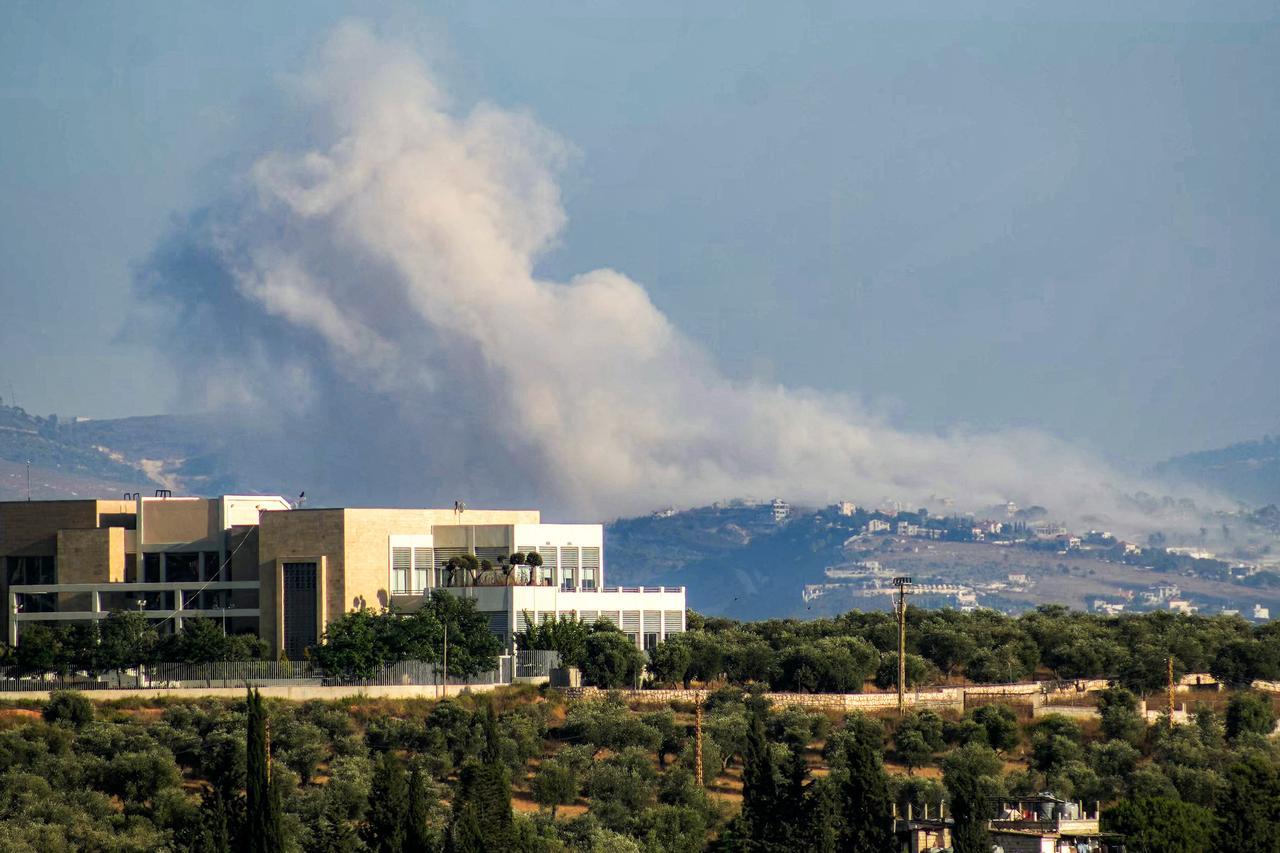
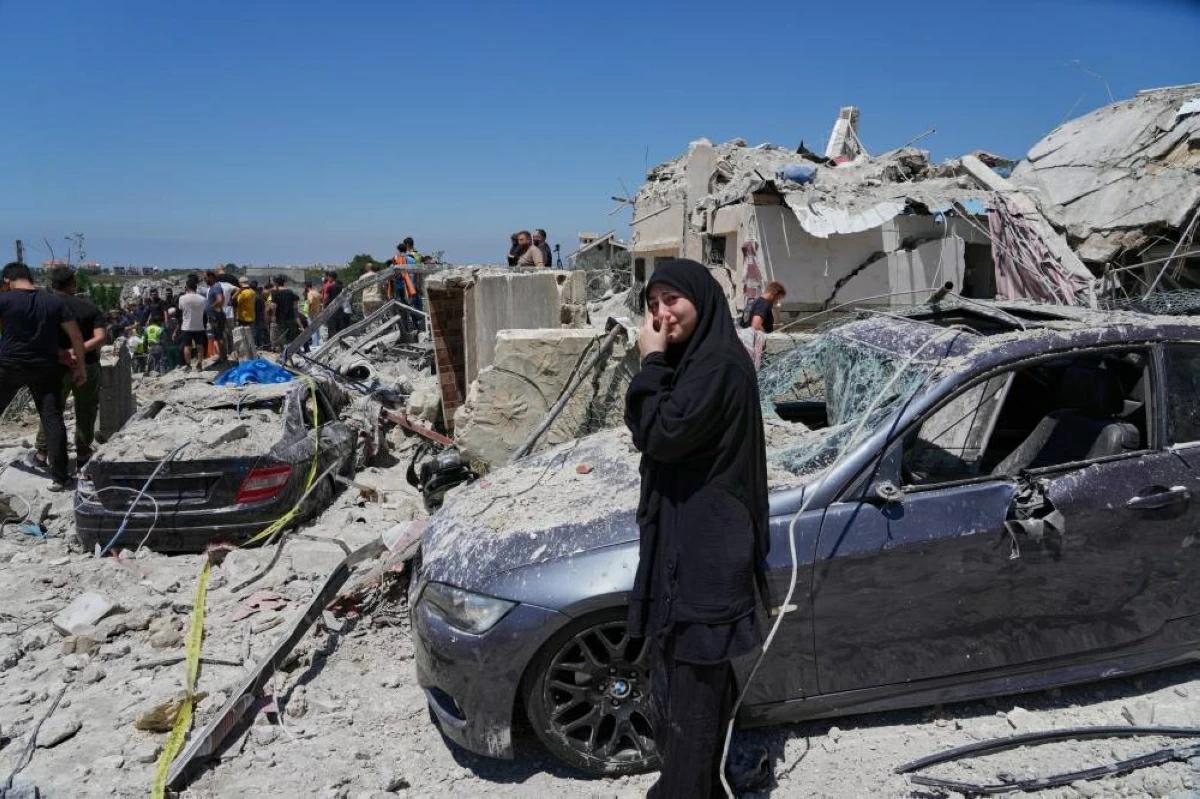
The Lebanese health ministry figures cited in the coverage said that as of Monday, over 4,300 people were killed and more than 12,200 wounded since the conflict began on March 2, with over one million Lebanese citizens displaced.
Disputes over timetable and verification
While the US described the Rome talks as “productive and positive,” a Lebanese military source told UPI that the Rome agreement “did not include a clear timetable, and the areas concerned have yet to be defined.”
UPI also reported that the Lebanese military source said an Israeli-Lebanese-U.S. military meeting would be held virtually to discuss “implementation steps” concerning the first pilot zones, and that the Lebanese Army “is ready to deploy and take over any areas” once Israeli forces withdraw.

In parallel, Al Jazeera reported that a US official said the parties agreed on “the structure and guidelines for the pilot zone process, to be finalised and implemented in the coming days,” but the statement did not specify where the pilot zones would be.
Al Jazeera quoted Sami Halabi, director of policy at the think tank Badil: The Alternative Policy Institute, saying the pilot zone initiative will test Israel’s willingness to withdraw and the Lebanese army’s ability to reestablish its presence, adding, “We’re at the point where Lebanon is moving from performing its sovereignty to piloting its sovereignty through these pilot zones.”
The same Al Jazeera report said the talks marked the sixth round of face-to-face negotiations since the latest war between Israel and Hezbollah erupted on March 2, and it warned that progress could “fall apart at any time.”
Next steps hinge on Hezbollah
The US State Department said the Rome talks took steps toward implementing “pilot zones” in southern Lebanon where Israeli forces would withdraw and turn over control to the Lebanese army, and it described the talks as “productive” while saying the parties “agreed on the structure and guidelines for the pilot zone process, to be finalized and implemented in the coming days.”
“Lebanese and Israeli officials have ended another round of US-mediated talks, focusing on a plan to establish “pilot zones” in southern Lebanon from which Israeli forces would begin withdrawing”
The AP report also said Lebanese President Joseph Aoun had instructed the Lebanese delegation “to demand the immediate withdrawal of Israeli forces from the two pilot zones before any further discussions,” and it noted that Wednesday’s statement did not specify where the pilot zones would be.
The framework agreement discussed in the reporting was tied to disarmament of the Iran-backed Hezbollah militant group and to Lebanon’s deployment in the south, while Israeli officials said they planned an extended occupation of southern Lebanon and the Lebanese militant group said it will not abide by the agreement and has no plans to disarm.
The New Region reporting linked the diplomatic process to broader regional stakes, saying Iranian officials maintained that a cessation of hostilities in the US–Israel war involving Iran is contingent on the Lebanese front and that a complete Israeli withdrawal from southern Lebanon remains a non-negotiable prerequisite for any diplomatic progress.
With the conflict already producing over 4,300 deaths and more than 12,200 injuries since March 2, the sources framed the pilot zone process as the immediate mechanism for any further movement toward a comprehensive agreement between Israel and Lebanon.