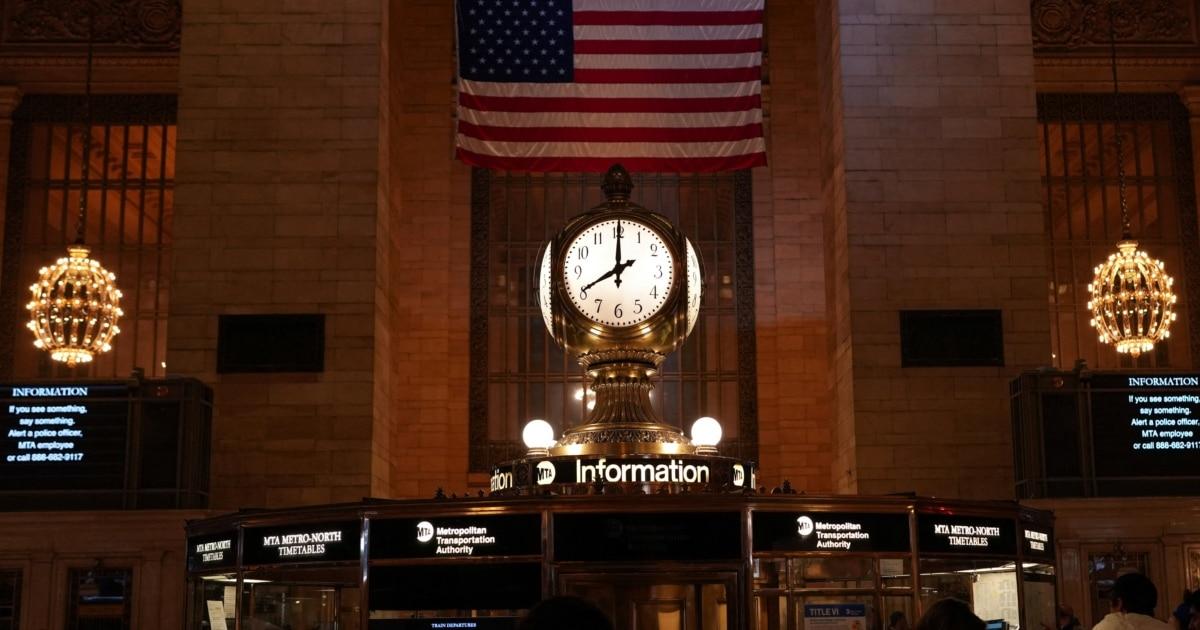
U.S. Military Strikes Multiple Targets in Iran After Tehran’s Continued Aggression
Key Takeaways
- CENTCOM says it began self-defense strikes against multiple targets in Iran at 5:15 p.m. ET.
- Strikes follow Trump's warning that Iran would 'pay the price' for stalled ceasefire talks.
- IRGC-linked authorities announced closure of the Strait of Hormuz in response to the attacks.
Second Day of Strikes
The U.S. military said Wednesday it began another round of strikes against Iran in a second day of renewed fire, with U.S. Central Command saying it was striking "multiple targets in Iran" in response to what it called Tehran’s "unwarranted and continued aggression."
“Secretary of Defense Pete Hegseth has confirmed that the United States is launching strikes on “key facilities” in Iran, framing the attacks as part of the ongoing negotiations for a permanent ceasefire”
The escalation came hours after Bahrain, Kuwait and Jordan—each of which hosts U.S. troops—came under Iranian fire, and it was the third time this week that back-and-forth strikes tested a two-month ceasefire.

AP reported that Iranian media said explosions were heard in Bandar Abbas, Sirik and Minab in the south of the country, while the U.S. said earlier Wednesday it fired "precision munitions" into the engine room of the Palau-flagged vessel M/T Settebello as it attempted to breach a naval blockade.
The U.S. and Iran also traded claims about water impacts, with Iran saying U.S. strikes hit two water reservoirs in Sirik and U.S. Central Command offering no immediate comment.
In parallel, AP said the war has shaken the global economy since the U.S. and Israel started the conflict with Feb. 28 attacks on Iran, with the international benchmark for crude oil trading above $93 a barrel on Wednesday.
Negotiations Framed by Force
Secretary of Defense Pete Hegseth confirmed to reporters in Tampa, Florida that the United States was launching strikes on "key facilities" in Iran, framing the attacks as part of ongoing negotiations for a permanent ceasefire.
Hegseth said, "Those strikes that’ll happen tonight will be strong. They will be clear," and he added that if they had to happen "tomorrow night" they would also be "strong" and "clear," while CENTCOM posted that the strikes were "in response to Iran’s unwarranted and continued aggression."
The Guardian reported that Trump told reporters at the White House, "We hit them hard yesterday and we’re going to hit them hard again today," after accusing Iranian negotiators of "playing us for suckers."
In response to the renewed attacks, the Iranian UN envoy Amir Saeid Iravani told the U.N. Security Council that "no sustainable deal can be reached through terrorists, intimidation, or the use of force," according to PBS, which also quoted him saying the U.S. should abandon threats and engage on the basis of sovereign equality and international law.
PBS said Hegseth argued the strikes were happening "not because we want to restart anything we don’t have to restart," but because the Pentagon was "prepared to set the terms to ensure that we get the kind of deal President Trump expects."
Regional Stakes and Water
The renewed exchange threatened to derail efforts to end the war, with CNBC saying the U.S. began "launching additional self-defense strikes today at 5:15 p.m. ET" and that the strikes were in response to Iran’s "unwarranted and continued aggression."
“US military says it’s striking ‘multiple targets’ in Iran in second day of renewed fire US military says it’s striking ‘multiple targets’ in Iran in second day of renewed fire DUBAI, United Arab Emirates (AP) — The U”
Euronews reported that Iranian state-run media said explosions were reported in Tehran, Bandar Abbas and across the Strait of Hormuz, while air defence was said to be in action in Fars province.
Euronews also said Trump warned Wednesday that he would renew attacks on Iran, and it quoted him saying, "We're going to be attacking them, attacking them very hard," while also reporting his claim that the Iranian military had been "completely defeated."
In the wake of earlier strikes, The Guardian reported that Iranian state media said U.S. strikes had hit two reservoirs in southern Iran, leaving 20,000 residents without water and creating a "major problem for the region’s water supply network."
The Guardian added that Iran’s foreign ministry spokesperson Esmail Baqaei said U.S. strikes had jeopardised the ongoing ceasefire negotiations, warning that "any diplomatic process requires a minimum stable environment" after overnight events.
More on Iran
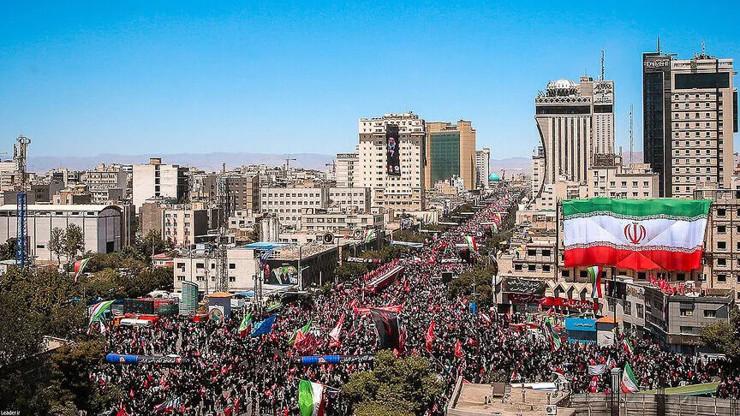
Israeli Strike Kills Ayatollah Ali Khamenei, Buried at Imam Reza Shrine in Mashhad
19 sources compared
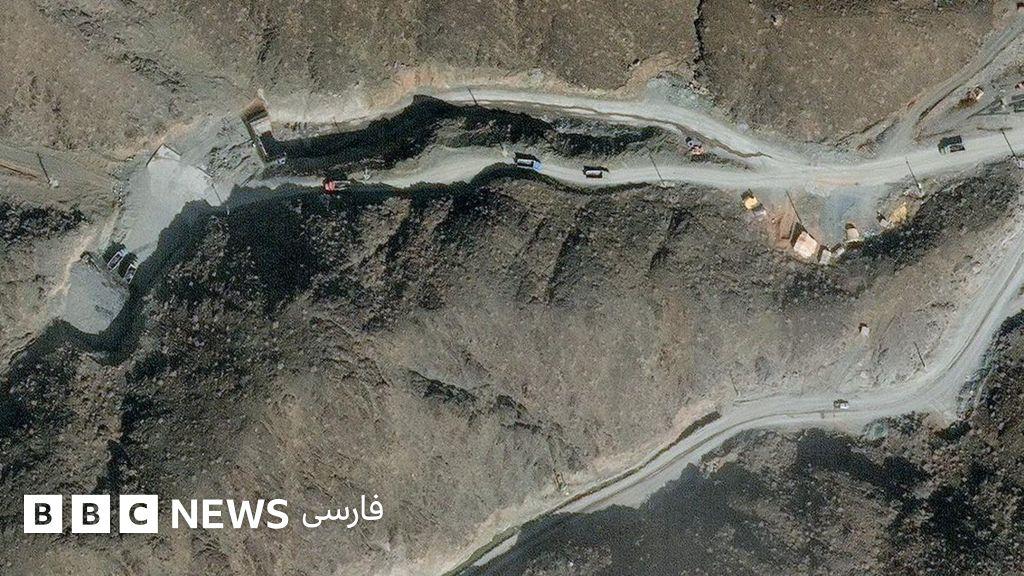
Iran Attempts To Restore Nuclear Sites Damaged In US And Israel Strikes, CNN Satellite Images Show
15 sources compared
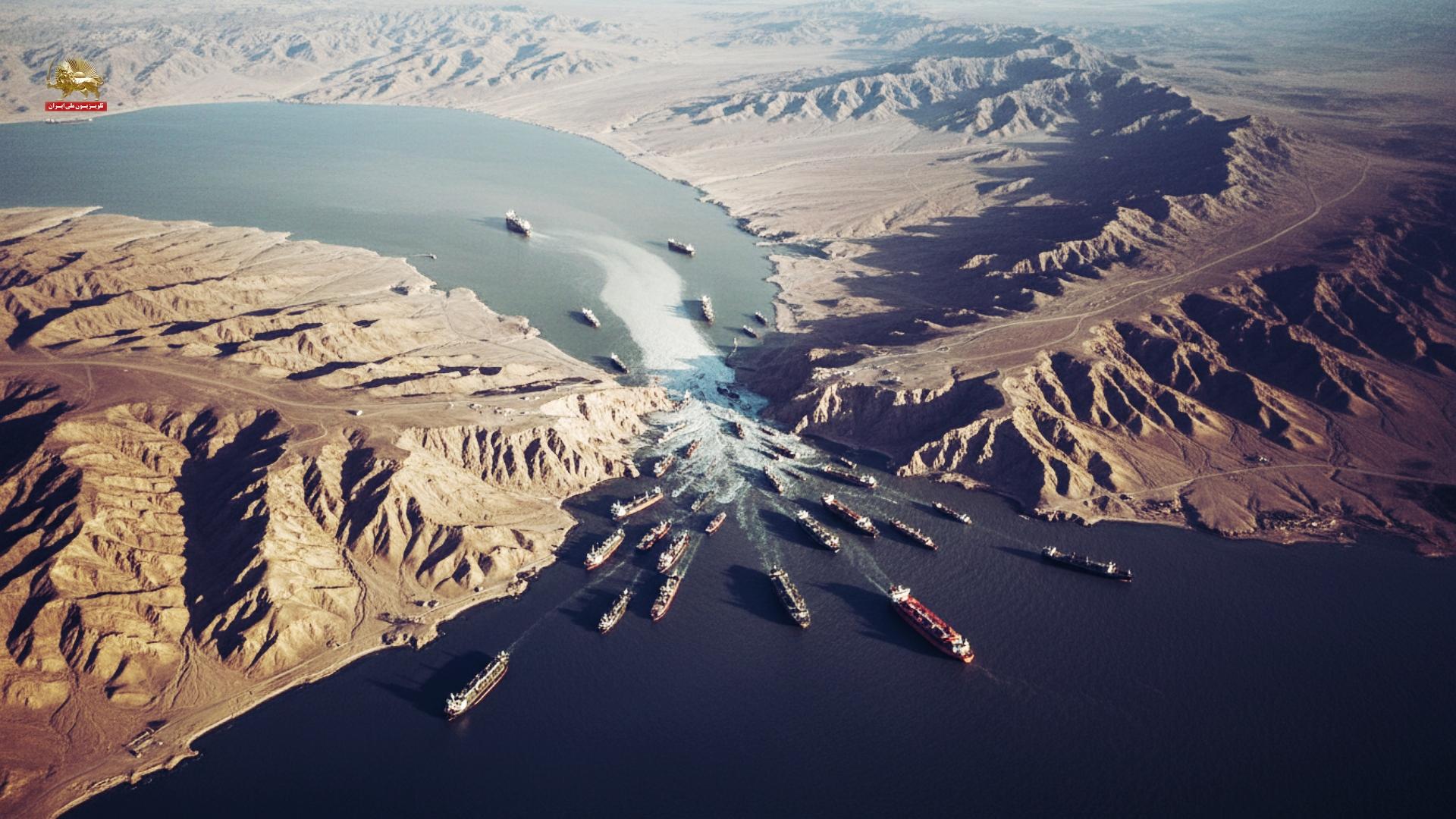
Abbas Araghchi and Prince Faisal Bin Farhan Discuss Regional Developments After US Attacks
11 sources compared

Trump Says U.S. Agreed to Continue Iran Talks, Ceasefire Is Over
19 sources compared