Full story
Pause After 13 Nights
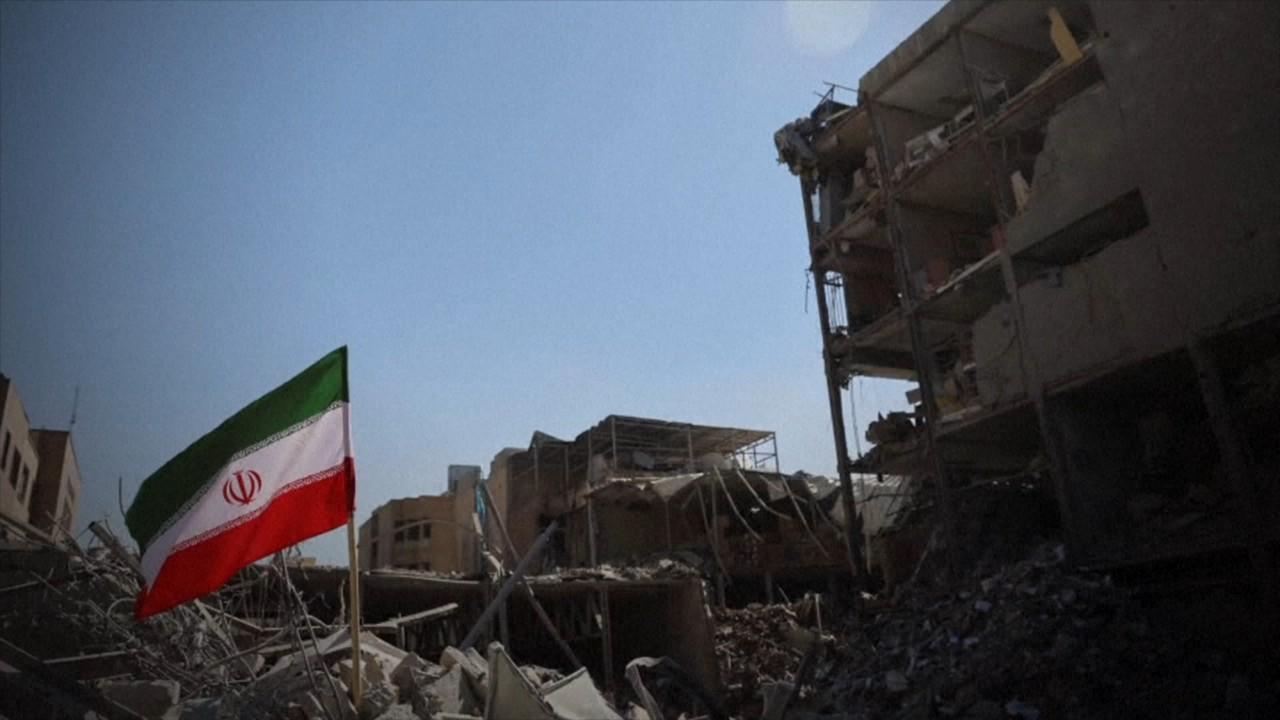
After 13 consecutive days of strikes, the US military paused strikes on Iran, while Iranian officials said they were also halting attacks as efforts continued to bring both sides back to negotiations on an interim ceasefire deal.
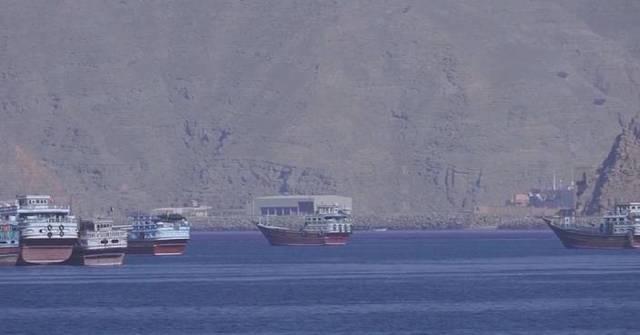
Iran’s Foreign Ministry spokesperson Esmaeil Baghaei said Iran and Oman held "fruitful" talks on the management of safe shipping traffic in the Strait of Hormuz, with the Omani delegation leaving Tehran Saturday evening and technical and political consultations continuing.

The BBC reported that the US paused attacks for a second straight day and that Tehran said it had done so too, as mediators tried to keep both sides talking.
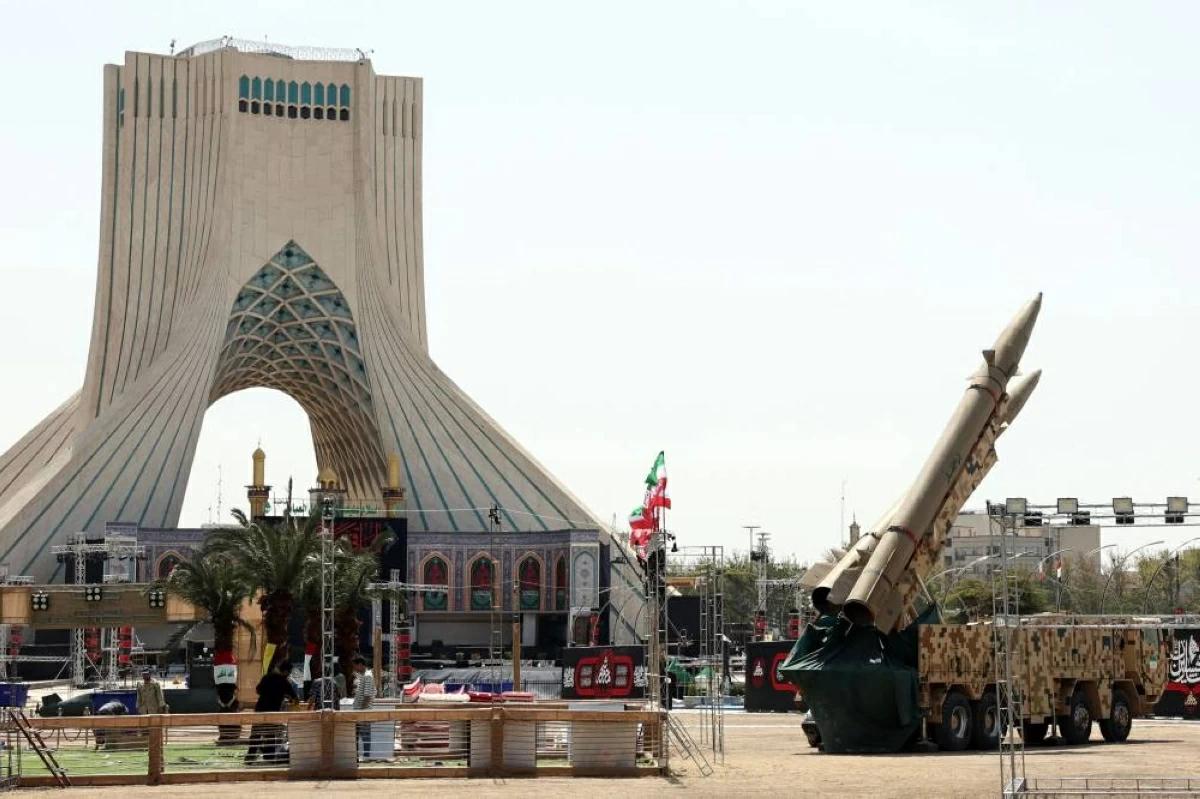
The NPR account said the pause followed a nearly two-week escalation sparked by Iran's firing at ships trying to transit the Strait of Hormuz, and it noted that major issues meant to be negotiated, including Iran's nuclear program, remained set aside.
The Guardian reported that the US paused strikes for a second night after top military officials advised Donald Trump to halt his bombing campaign, while Tehran said it would pause what it called "retaliatory" attacks against US allies in the region.
Officials Trade Warnings
Iran’s Deputy Foreign Minister Kazem Gharibabadi accused the United States of seeking to shield Israeli Prime Minister Benjamin Netanyahu from the International Criminal Court, writing that Netanyahu had "brazenly" claimed that the US secretary of state promised to take action against the court.
Iranian lawmaker Ebrahim Azizi warned that Ukraine could face consequences over attacks on Iran, writing on X: "Any attack on Iran always comes with a cost, and that remains true today; the US and Israel are well aware of this,".
In parallel, the Guardian said the US vice-president JD Vance and Dan Caine, the chair of the joint chiefs of staff, warned Trump of the risks of a renewed military campaign, and it quoted Mike Waltz telling NBC’s Meet the Press: "I wouldn’t go that far at all. The president is keeping all options on the table."
The Global Times account said General Abolfazl Shekarchi, spokesperson for the Iranian army, told Iranian state TV that the US had failed to achieve its goals "in the Strait of Hormuz and in weakening Iran," and that "The situation is chaotic and undesirable for America,".
The AP described the pause as uncertain, quoting Michael Singh saying, "If it turns into a multiday pause, that’ll be something significant," while also noting the question of whether it was an operational pause or a pause for behind-the-scenes diplomacy.
What’s at Stake Next
As the pause continues, the BBC reported that Esmaeil Baghaei said Americans are exchanging messages while Iran’s priority remains "defending the country’s territorial integrity, sovereignty, and protecting the Iranian people,".
“People walk along a sidewalk in downtown Tehran, Iran, on July 22, 2026”
The Guardian said the lull in fighting followed nearly two weeks of strikes and the collapse of a ceasefire brokered by Trump, and it linked the dispute to Washington blaming Iran for strikes on US forces and allies and for closing the Strait of Hormuz.
The NPR account said the 60-day period that began when the interim deal was signed in mid-June is now well into its second half, and it emphasized that mediators were trying to keep both sides talking while shipping concerns extended beyond the Strait of Hormuz to the Bab al-Mandeb strait.
In the Reuters-linked Global Times reporting, Ding Long said Iran likely seeks to codify, institutionalize and legalize its authority over the Strait of Hormuz through domestic legislation, adding that enshrining rights in law could make Iran’s governance of the strait, including potential transit fees, an irreversible trend.
The Guardian also reported that mediators were working to prevent tension from escalating and that a compromise being negotiated centers on having Iran run vessel transit through the Strait of Hormuz with fewer restrictions on ships, while the US military said its recently reimposed naval blockade continued with a dozen commercial ships redirected, two disabled and two boarded.