Iran14 February, 20262 min read
US Military Readies Weeks-Long Strikes on Iran If President Donald Trump Orders Attack
U.S. military prepares for weeks‑long operations against Iran if President Donald Trump orders attack Pentagon deploying another carrier, thousands of troops, fighter jets and destroyers to Middle East
24 outlets told this the same way.
U.S. contingency plans for Iran
U.S. military planners are reportedly preparing for the possibility of sustained, weeks-long operations against Iran if President Donald Trump orders an attack, according to multiple news reports citing unnamed U.S. officials. Those accounts say planning could expand beyond strikes on nuclear facilities to target wider elements of Iranian state and security infrastructure, a prospect described as more complex and sensitive than prior limited actions. The reporting frames the preparations as a U.S. contingency to be used if diplomacy fails, and stresses that officials expect such a campaign would carry heightened risks of escalation.
“U.S. officials say the Pentagon is preparing for a prolonged campaign against Iran that could expand beyond strikes on nuclear sites to target wider elements of Iranian state and security infrastructure.”
U.S. regional force posture
Reports consistently note a substantial U.S. force posture in the region accompanying the contingency planning.
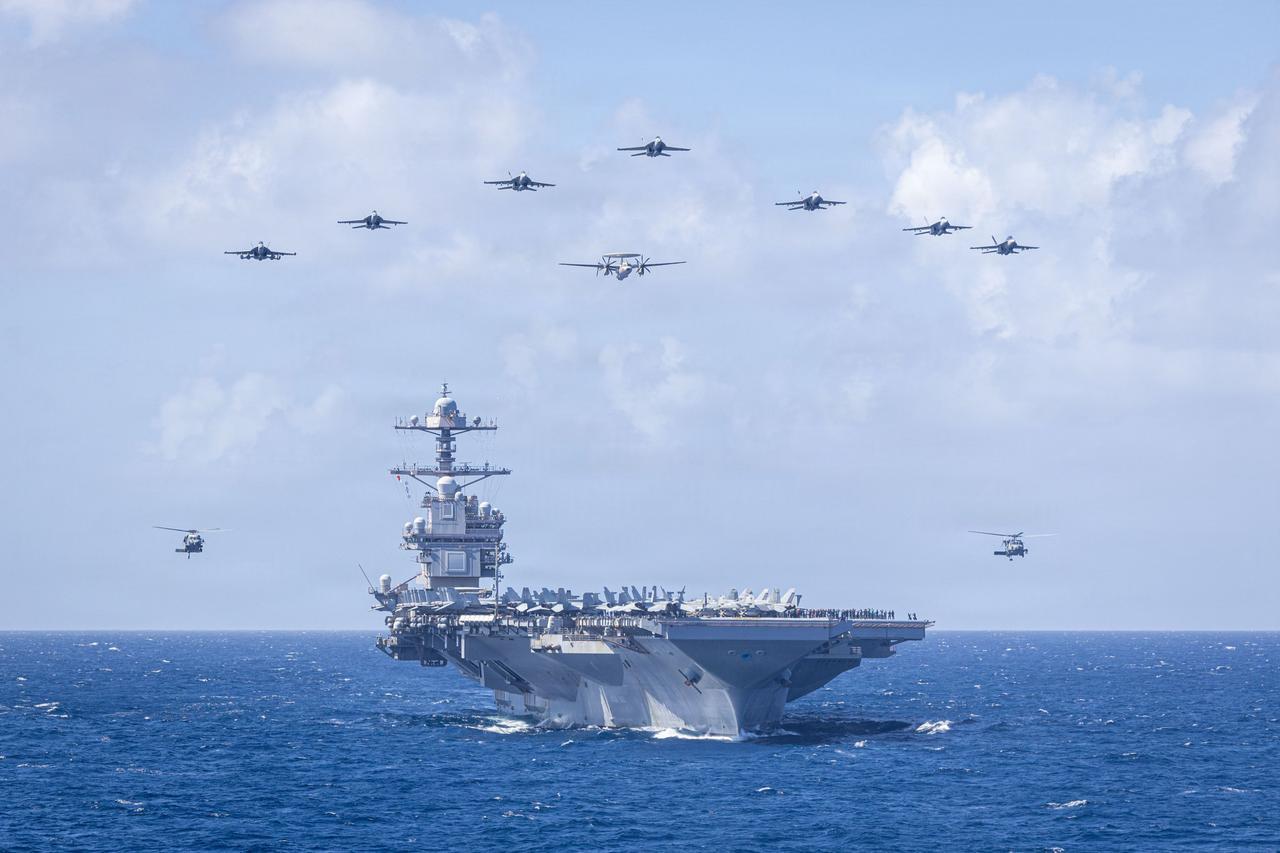
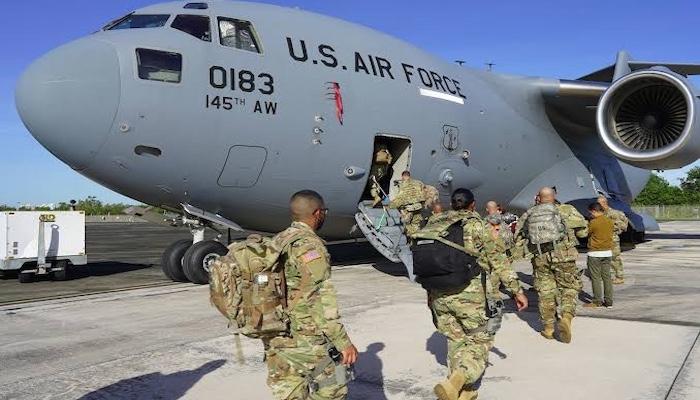
Multiple outlets cite deployments of an additional aircraft carrier and thousands of troops, plus fighter aircraft and guided-missile destroyers; some pieces name the USS Gerald R. Ford and the USS Abraham Lincoln as part of the buildup and mention stealth platforms and electronic-warfare assets being readied.
Coverage stresses these moves increase Washington's options but also raise the operational complexity of any campaign.
Risk of Iranian retaliation
Analysts and reporting highlight the risk that any expanded campaign would trigger significant Iranian retaliation. Several sources warn Iran’s large ballistic‑missile inventory and regional proxy networks could produce a prolonged cycle of strikes and reprisals, and they cite explicit IRGC warnings that U.S. bases across the Middle East could be legitimate targets if Iran is attacked. This risk underpins expert cautions that a broader campaign would be far more dangerous than last year’s more limited strikes.
“Analysts warn Iran’s large missile arsenal and network of regional allies raise the risk of prolonged exchanges and wider escalation; the Islamic Revolutionary Guard Corps has threatened to strike U.S. bases across the Middle East if attacked.”
Geneva diplomacy and contingencies
Military planning is reported alongside diplomatic efforts. U.S. envoys including Steve Witkoff and Jared Kushner were scheduled to meet Iranian representatives in Geneva with Oman mediating.
Coverage records President Trump saying he prefers diplomacy but that 'all options are on the table' and President Trump publicly floated regime change. The juxtaposition of talks and contingency preparations is presented as raising the stakes for Geneva diplomacy while reflecting deep mutual distrust between Tehran and Washington.

Media coverage differences
Coverage differs in emphasis and framing. Some outlets present the planning as a technical contingency and focus on military logistics or cautionary analysis. Other outlets warn it could be the prelude to a devastating campaign aimed at Iran’s regime core.
“The piece concludes that a U.S. decision to use force could widen into a multipolar confrontation (with China able to exploit U.S. distraction), determine Iran’s survival and the future of U.S. regional influence, and turn into a prolonged, devastating campaign aimed at crushing the core of the Iranian regime.”
Israeli and Western mainstream sources often stress threats to Israeli security and name specific platforms, while regional and other international outlets underscore the diplomatic context and the IRGC’s explicit threats. This produces a multi‑layered, sometimes divergent narrative about intent, risk and likely outcomes.
