USA · 04 August, 2026 · 3 min read
US Military Uses Nearly 80% of THAAD and Patriot Interceptors as Iran War Drains Stockpiles
U.S. stockpile of ATACMS and PrSM largely depleted due to Iran war. Patriot and THAAD interceptors heavily depleted; stockpiles described as dangerously low.
Who highlights the risk and what drives pause in strikes.
10 of 12 outlets skipped it: US ramps Patriot and THAAD production via Lockheed/Northrop deal.
27outlets compared
Same story, two versions
tap a side to read it in full
CNN
“were enough to convince some of Trump’s most hawkish advisers that there was reason to call off planned operations”Read the original ↗
Al Jazeera
“Pentagon boosts Patriot and THAAD interceptor output amid stockpile strain”Read the original ↗
CNN stresses strike cancellations over depleted stocks; Al Jazeera foregrounds production deals.
Interceptors nearly drained
The United States has exhausted nearly 80% of its interceptors for a key missile-defense system, with senior U.S. military commanders warning the Pentagon’s munitions stockpile is “dangerously low,” according to multiple sources cited by CNN.C
“the Pentagon’s munitions stockpile is “dangerously low,””
CNN reported that the U.S. military has burned through nearly four-fifths of its THAAD missile inventory compared to pre-war numbers and roughly half of its Patriot interceptors since the start of the war with Iran, while the Center for Strategic and International Studies estimated the U.S. had around 2,200 Patriots and 452 THAAD missiles in its stockpile before the Iran war started.C
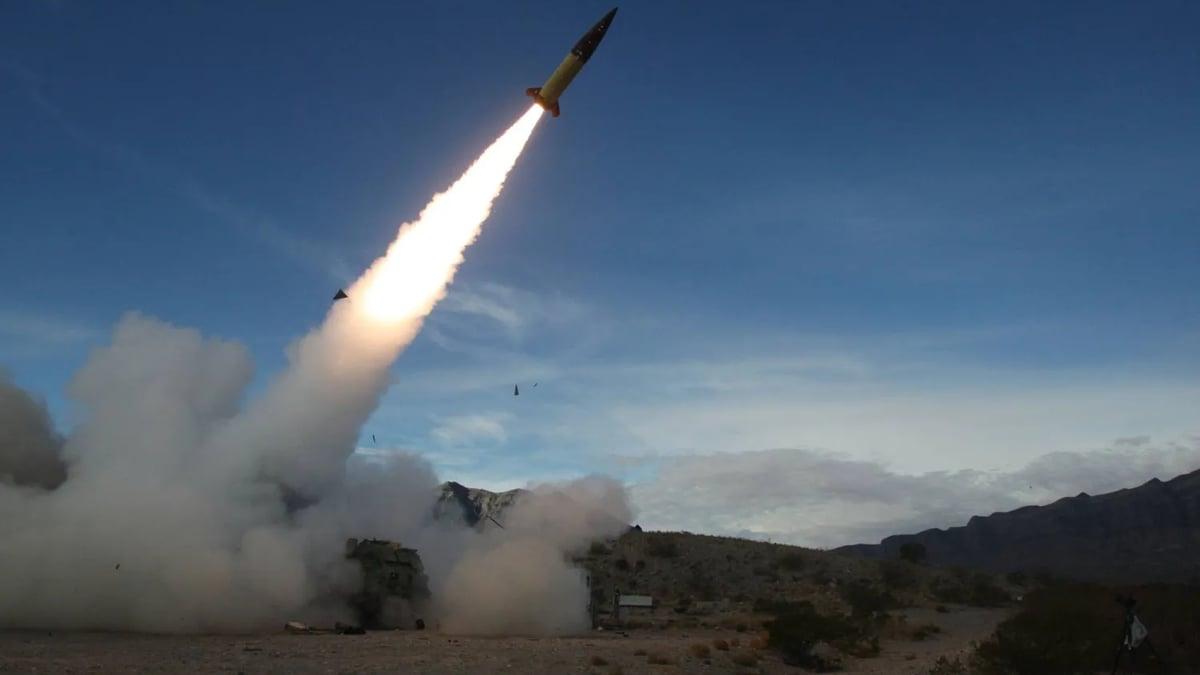
Reuters sources cited by i24NEWS said the U.S. has used “virtually all” of its Army Tactical Missile Systems (ATACMS) and Precision Strike Missiles (PrSM) during the five-month war with Iran, and CSIS estimated fewer than 827 Patriot interceptors and fewer than 278 THAAD interceptors remain in U.S. stockpiles.
In the same reporting stream, CNN said Gulf countries raised fresh concerns that shortages of air-defense systems could hinder their ability to intercept Iranian missile and drone attacks if President Donald Trump escalates the conflict.C
Production surge and denials
While commanders warned of depleted stockpiles, the Pentagon signed a new deal with Lockheed Martin and Northrop Grumman to boost production capacity for parts used in missile defence systems, with the deal announced on Monday and said to impact the Patriot PAC-3 and THAAD missile interceptor systems.
Al Jazeera reported that the deal will triple Patriot production and quadruple THAAD system production, and it quoted Michael P. ADuffey, Undersecretary of War for Acquisition and Sustainment, saying, “Building the Arsenal of Freedom requires robust, dynamic supply chains at every level of the industrial base,”.

CNN also quoted Chief Pentagon spokesman Sean Parnell saying, “America’s military is the most powerful in the world and has everything it needs to execute at the time and place of the President’s choosing,” as the White House spokesperson Anna Kelly told CNN the U.S. military “has more than enough munitions, ammo, and stockpiles to serve all of President Trump’s strategic goals and beyond.”C
The same Al Jazeera reporting said the U.S. AArmy awarded Lockheed Martin a contract worth more than $58bn to produce Patriot interceptor missiles, converting a previous one-year, $4.7bn contract issued in April into a seven-year agreement for interceptors.
What comes next
The stockpile strain is tied in the reporting to decisions about whether to continue or pause strikes, with CNN saying the warnings about munitions shortages—along with intelligence about potential negative effects of striking Iran’s critical infrastructure—were compelling enough to convince some of Trump’s advisers to call off planned operations over the weekend.C
“Trump decided to back off after talks with Middle East allies on Saturday”
CNN reported that Trump decided to back off after talks with Middle East allies on Saturday, who told him they were afraid of Iranian retaliation, specifically retaliatory attacks on their energy infrastructure, and it said Trump agreed to hear them and then told Hegseth to stand down, for now.C
Reuters sources cited by i24NEWS said CSIS assessed the U.S. has fired more than 60% of its key Patriot and THAAD interceptors during the war, while CSIS also estimated transfers to Ukraine were a relatively minor factor overall, with about 600 Patriot interceptors sent to Ukraine since the start of that war.
Against that backdrop, Al Jazeera reported that Ukraine is running low on Patriot interceptors, described as the country’s only weapon capable of intercepting ballistic missiles, and it said the U.S. deal comes as Pentagon negotiators pushed to accelerate production agreements under pressure on stockpiles from conflicts including with Iran and continued military assistance to Ukraine.A