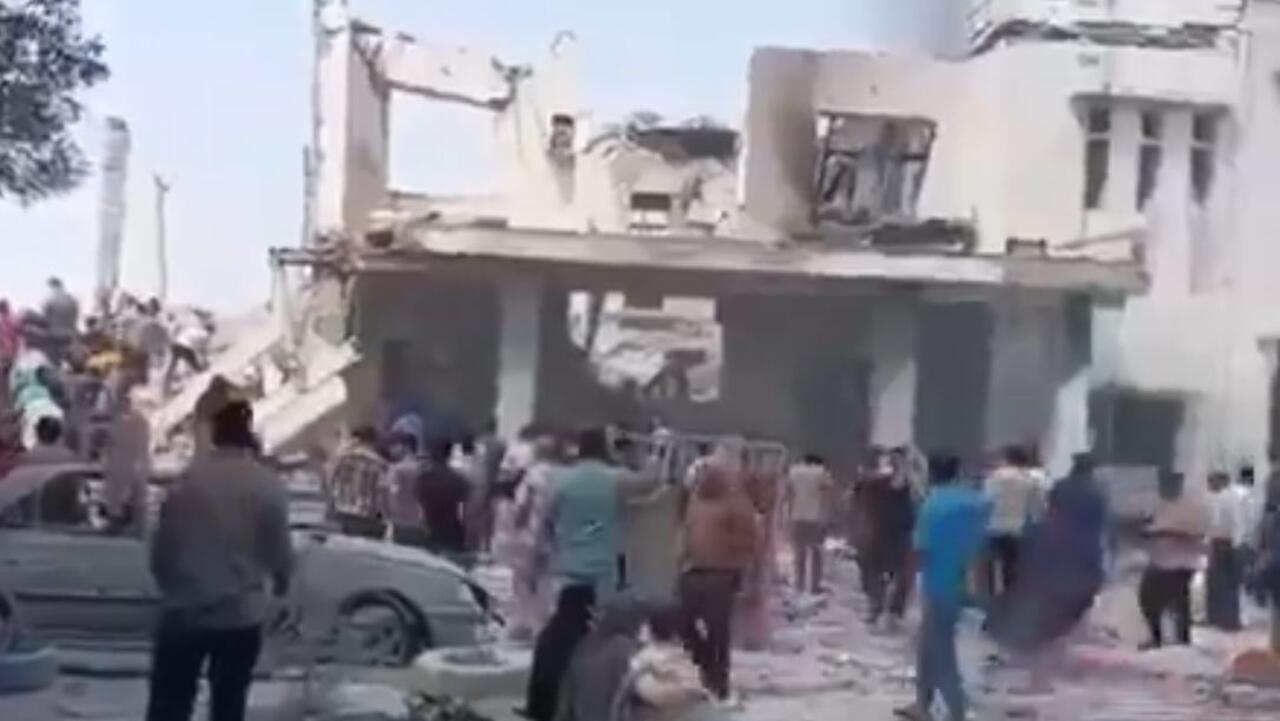
US Missile Strike Kills Students At Minab Girls’ School In Hormozgan Province
Key Takeaways
- Strike hit Minab girls’ school, killing hundreds of students.
- Several reports attribute responsibility to the United States for the attack.
- Investigations into the strike have been elevated or underway, with U.S. accountability under scrutiny.
Minab school strike and toll
A missile strike hit a girls’ school in Minab, southern Iran, on February 28, killing large numbers of students and other people, according to Iranian authorities and multiple international reports.
“In the early hours of the US–Israeli aggression against Iran on February 28, one of the bloodiest incidents of this war occurred when a missile strike hit the Tree of Life elementary school in Minab, southern Iran, killing dozens of people, most of them young girls”
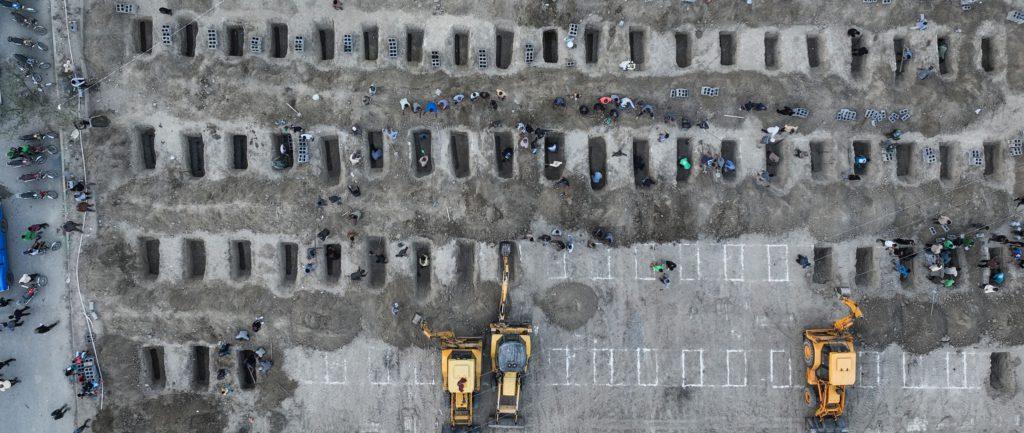
France 24 said that “On February 28, an airstrike on a girls’ school in Minab, located in southern Iran, killed 175 people, most of them students, according to Iranian authorities,” and it added that “At least 175 people were killed, most of them girls aged between 7 and 12, according to Iranian authorities.”
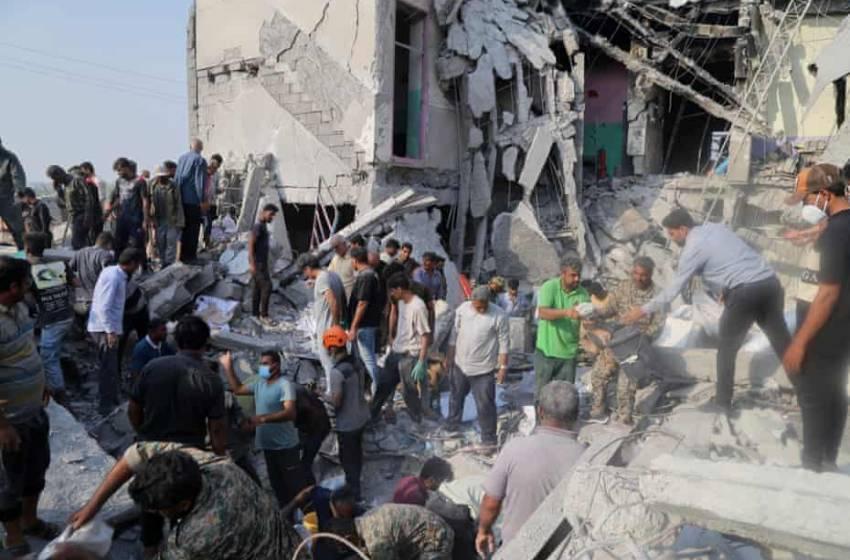
Amnesty International stated that the attack “killed 168 people, including more than 100 children,” and it described the strike as “a deadly and unlawful American airstrike on a school in the city of Minab in Hormozgan Province, Iran.”
The Al Jazeera Digital Investigations Unit described the attack on “The Good Tree Elementary School for Girls” and said that “the bombardment killed 165 people, the vast majority of them young girls aged 7 to 12, in addition to 95 others injured,” citing “the final statements issued by local judicial authorities and human rights organizations.”
The Tehran Times translation also returned to the Minab school, saying that “Among the children massacred by a US missile attack on Shajareh Tayyebeh elementary school in Minab, southern Iran, was a 7-year-old boy named Makan Nasiri.”
In parallel, The الشرق reported that “Iranian authorities said the strike on the Good Tree Girls’ School in Minab resulted in the deaths of 168 female students,” and it also said U.S. President Donald Trump still adhered to his view that Iran may be responsible for a strike that “killed 175 people.”
Taken together, the sources show a contested casualty picture—165, 168, and 175—alongside differing descriptions of the school’s name and the identity of those killed.
Competing blame narratives
The sources depict a sharp dispute over who carried out the Minab school strike, with U.S. officials and Iranian officials offering different explanations.
France 24 reported that “While several investigations point the finger at a U.S. missile as responsible for the attack, accounts supportive of Donald Trump on social media and the U.S. president himself deny any responsibility,” and it said that “Donald Trump, in turn, denied any U.S. responsibility for the attack.”
It further described Trump’s shifting claims, saying that in questions posed “on March 7 during a flight and then again on March 10 at a Florida press conference, Trump claimed that the raid on the school was carried out by Iran or by some other party.”
Euronews described a direct clash between Trump’s remarks and an initial investigation, quoting Trump’s statement aboard Air Force One: “I think, based on what I’ve seen, that was Iran’s doing.”
Euronews also quoted White House spokesperson Karoline Leavitt saying, “As the New York Times notes in its reporting, the investigation is ongoing.”
In contrast, Amnesty International asserted that “The United States is responsible for a bloody attack on a school crowded with children that killed 168 people.”
The Al Jazeera investigation went further, stating that “Al Jazeera investigation suggests: Israel and the United States deliberately killed Minab schoolgirls,” and it described how “enemy missiles hit the school building directly, destroying the educational building almost completely.”
Investigations, old data, and missiles
Several outlets tied the strike to targeting errors and outdated information, while others focused on the missile type and technical forensics.
“Iranian families of children killed in a US missile strike on Minab school have expressed gratitude to Pope Leo XIV for his public condemnation”
Mont Carlo الدولية reported that “an ongoing military investigation holds the United States responsible for the rocket strike that targeted an elementary school in Iran,” and it said the strike “resulted from an error in target identification by the U.S. military.”
It added that “officers at U.S. Central Command determined the target coordinates based on old data provided by the Defense Intelligence Agency,” and it said “the school had previously been part of that military base.”
Euronews similarly described “U.S. Central Command officers determined the strike's target coordinates based on old data,” and it said “the strike resulted from a target misidentification, as American forces used old data provided by the Defense Intelligence Agency while targeting a neighboring military base.”
Amnesty International asserted that “The evidence gathered by the organization indicates that the school building was struck directly,” and it said this “suggests that American forces failed to take feasible precautions to avoid harming civilians.”
It also argued that its analysis “suggests that a U.S.-made Tomahawk cruise missile was likely used in the attack,” while France 24 described a dispute where “the evidence is clear that this is not a Tomahawk, says Matt Tardio.”
The الشرق reported that the U.S. military “has elevated the level of the investigation” and quoted Pete Hegseth: “We will not allow reports to drive us or force us to indicate what happened.”
Officials, condemnations, and reactions
Reactions to the Minab school strike span religious condemnation, parliamentary messaging, and human rights demands, with multiple named figures quoted directly in the sources.
Crypto Briefing said “Iranian families of children killed in a US missile strike on Minab school have expressed gratitude to Pope Leo XIV for his public condemnation.”
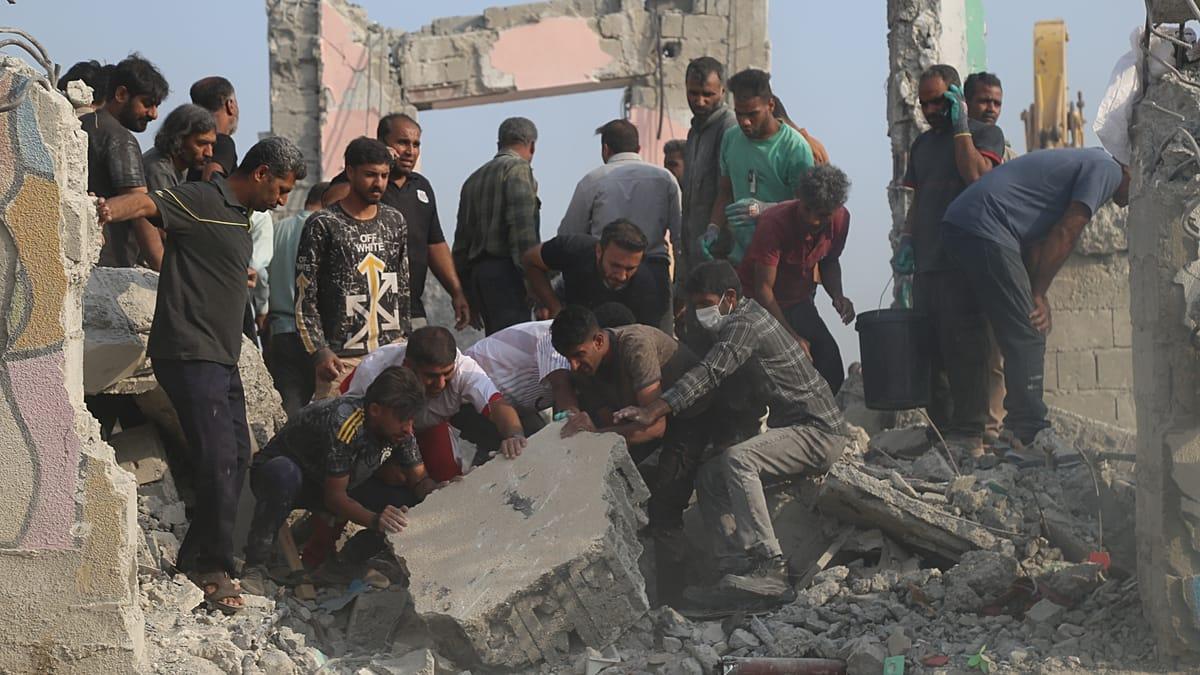
Amnesty International quoted Erika Guevara-Rosas, saying: “This horrific attack on a school crowded with children is a stark example of the deadly price civilians pay in this armed conflict,” and it added that “Schools should be safe places for children to learn, but this Minab school has become a site of mass killing.”
The same Amnesty statement quoted Guevara-Rosas again, warning that “International humanitarian law strictly prohibits targeting protected civilian objects, such as schools.”
Tehran Times’ translation included Hezbollah’s warning that “Hezbollah has warned it will respond to any violation of the ceasefire by the Zionist regime of Israel.”
The الشرق reported that “The new Iranian Supreme Leader Mojtaba Khamenei blamed ‘the enemies of the country’ for the attack on the school in his first message to the Iranian people on Thursday,” and it also said Pete Hegseth refused to comment on preliminary findings, stating: “We will not allow reports to drive us or force us to indicate what happened.”
Amnesty International demanded accountability, saying “American authorities must ensure that the investigation is transparent and comprehensive and that its findings are published publicly.”
Escalation stakes and next steps
The sources connect the Minab school strike to broader escalation risks, including calls for retaliation and the possibility of further attacks across the region.
“The strike on a girls’ school in Iran: how the MAGA movement and Trump are trying to deny any American responsibility”
Tehran Times’ translation said that “Hezbollah has warned it will respond to any violation of the ceasefire by the Zionist regime of Israel,” and it also described Iran’s mistrust of the United States, saying “Washington faces accusations of undermining the fragile two-week ceasefire reached on April 8.”

The Al Jazeera report placed the Minab strike within a wider first wave of operations, describing that “the United States and Israel launched their first strikes targeting military and government sites across Iran,” with operations “code-named by the Americans as 'Epic Fury' and by the Israelis as 'Shield of Judah' before being adjusted to 'Roaring Lion.'”
The الشرق reported that the U.S. military “has elevated the level of the investigation” and that Pete Hegseth said, “The investigation being conducted by the command will take the time needed to address all matters related to this incident.”
Euronews described that the White House said accountability was not yet final, quoting Karoline Leavitt: “As the New York Times notes in its reporting, the investigation is ongoing,” while it also said “more information is expected.”
Amnesty International demanded consequences, stating that “Where there is sufficient evidence, the competent authorities should prosecute anyone suspected of criminal liability,” and it added that “the victims and their families have the right to know the truth and to seek justice.”
Crypto Briefing framed the incident as potentially destabilizing, saying “The strike killed over 100 children, and the incident may escalate tensions further and trigger retaliatory actions,” and it listed “moves by the Assembly of Experts” among signals to monitor.
More on Iran
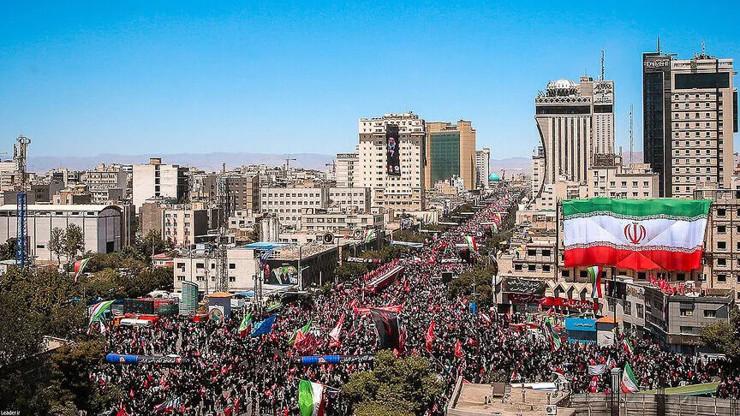
Israeli Strike Kills Ayatollah Ali Khamenei, Buried at Imam Reza Shrine in Mashhad
19 sources compared
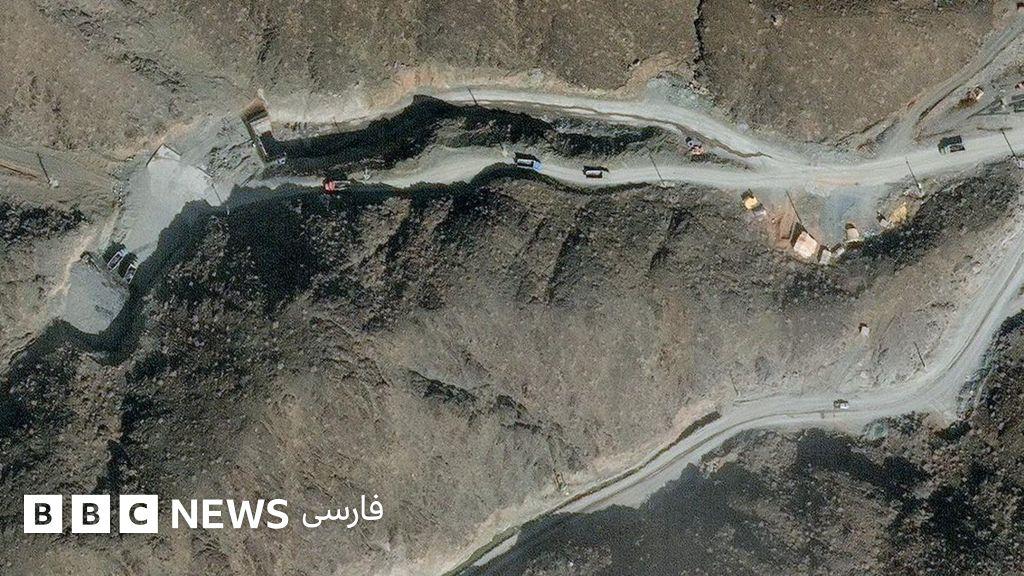
Iran Attempts To Restore Nuclear Sites Damaged In US And Israel Strikes, CNN Satellite Images Show
15 sources compared
Abbas Araghchi and Prince Faisal Bin Farhan Discuss Regional Developments After US Attacks
11 sources compared

Trump Says U.S. Agreed to Continue Iran Talks, Ceasefire Is Over
19 sources compared