
US Navy Begins Blockade of Iranian Ports in Strait of Hormuz
Key Takeaways
- The U.S. began blocking ships entering or leaving Iranian ports in the Strait.
- The move seeks to pressure Tehran to reopen the Strait and concede in talks.
- Iran warns retaliation and calls the blockade piracy, heightening regional tensions.
US-Iran Naval Blockade
The United States began enforcing a naval blockade of Iranian ports in the Strait of Hormuz on April 14.
Trump claimed Iran had called and would like to make a deal very badly.

The move aims to strangle Iran's oil exports, which account for roughly 20% of global seaborne oil trade.
Iran responded by warning that no port in the Persian Gulf and the Sea of Oman will be safe.
Death toll estimates from the Rahman Textile factory fire diverged sharply among sources.
Blockade Enforcement and Reactions
CENTCOM clarified the blockade would be enforced against vessels of all nations entering or departing Iranian ports.
Trump warned that Iranian fast attack ships would be immediately eliminated.

The International Chamber of Shipping called charging tolls for safe passage not an acceptable outcome.
China faced rising pressure as the blockade threatened its energy supply.
The blockade sent Brent crude prices back above $100 a barrel.
Economic Impact and Diplomatic Fallout
The blockade threatened to deepen the global energy shock.
The IEA now expects global oil demand to contract by 80,000 barrels a day.
Several European leaders rejected the idea of joining the blockade.
Trump escalated his war of words with Pope Leo XIV.
The blockade fractured international alliances.
Human Cost and Accountability
The Rahman Textile factory fire killed dozens after exits were welded shut.
Police detained factory owner Faisal Rahman.
Survivors described workers pounding on locked metal doors.
Nasrin Begum escaped by jumping from a second-floor window.
The Bangladesh Garment Workers' Federation called a nationwide strike.
Global Supply Chain Scrutiny
Rahman Textile produced clothing for several European fashion brands.
Hessen's compliance team had audited the factory in March.
Rahman Textile owner Faisal Rahman claimed the factory had passed its most recent safety inspection.
Clean Clothes Campaign said the audit system was fundamentally broken.
Rahman was being questioned about allegations that exits had been welded shut.
More on Iran
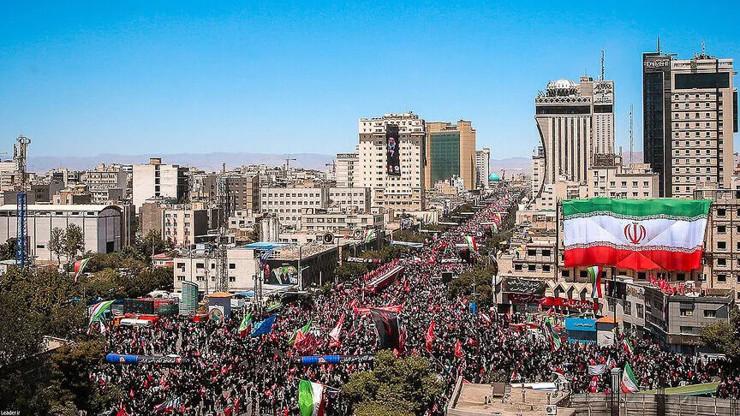
Israeli Strike Kills Ayatollah Ali Khamenei, Buried at Imam Reza Shrine in Mashhad
19 sources compared
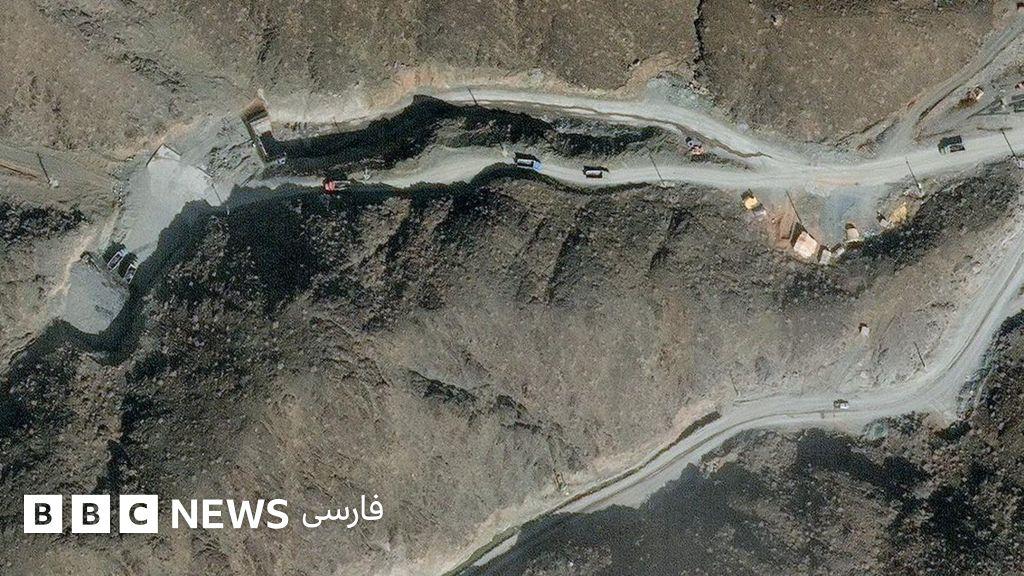
Iran Attempts To Restore Nuclear Sites Damaged In US And Israel Strikes, CNN Satellite Images Show
15 sources compared
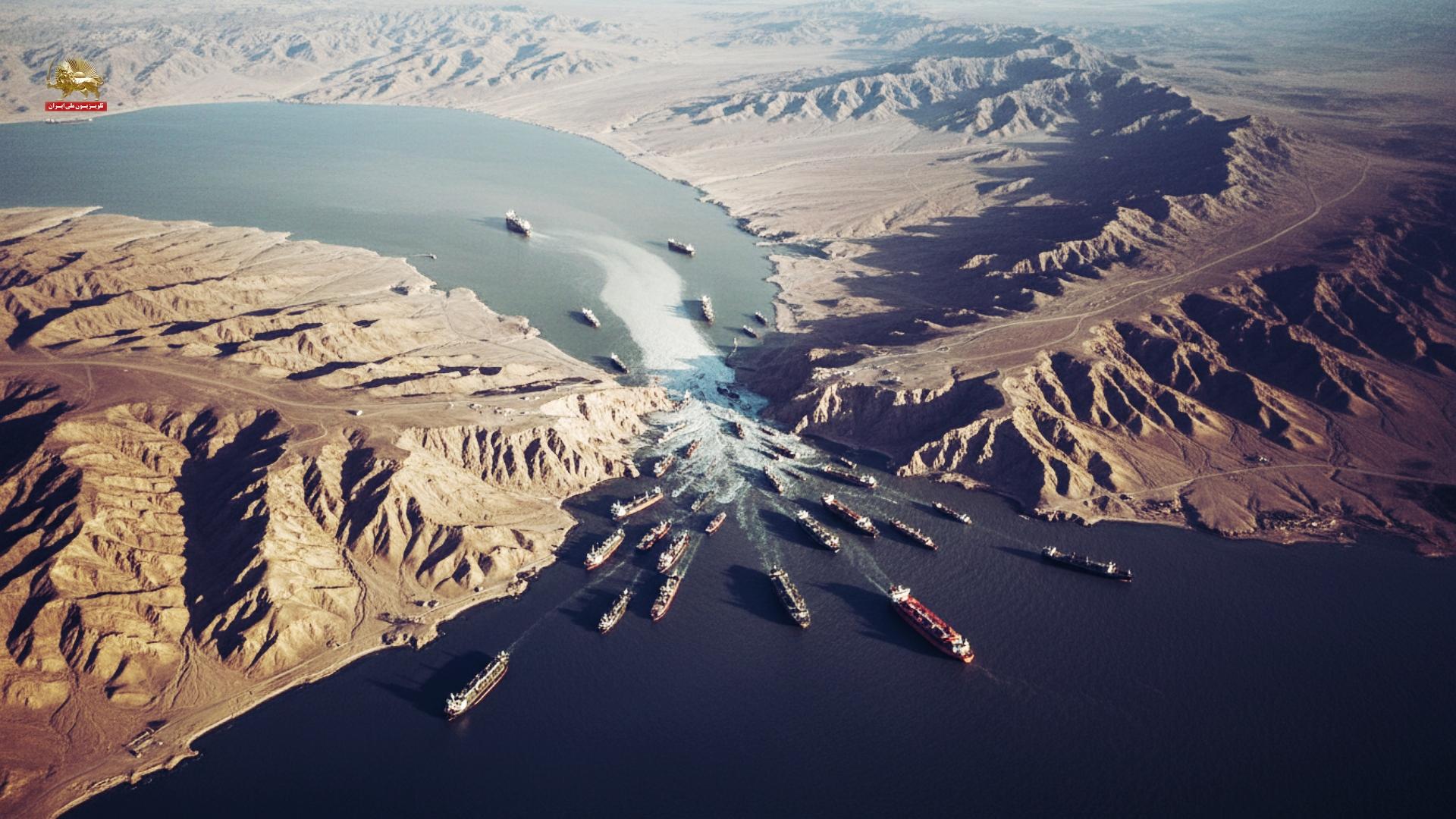
Abbas Araghchi and Prince Faisal Bin Farhan Discuss Regional Developments After US Attacks
11 sources compared

Trump Says U.S. Agreed to Continue Iran Talks, Ceasefire Is Over
19 sources compared