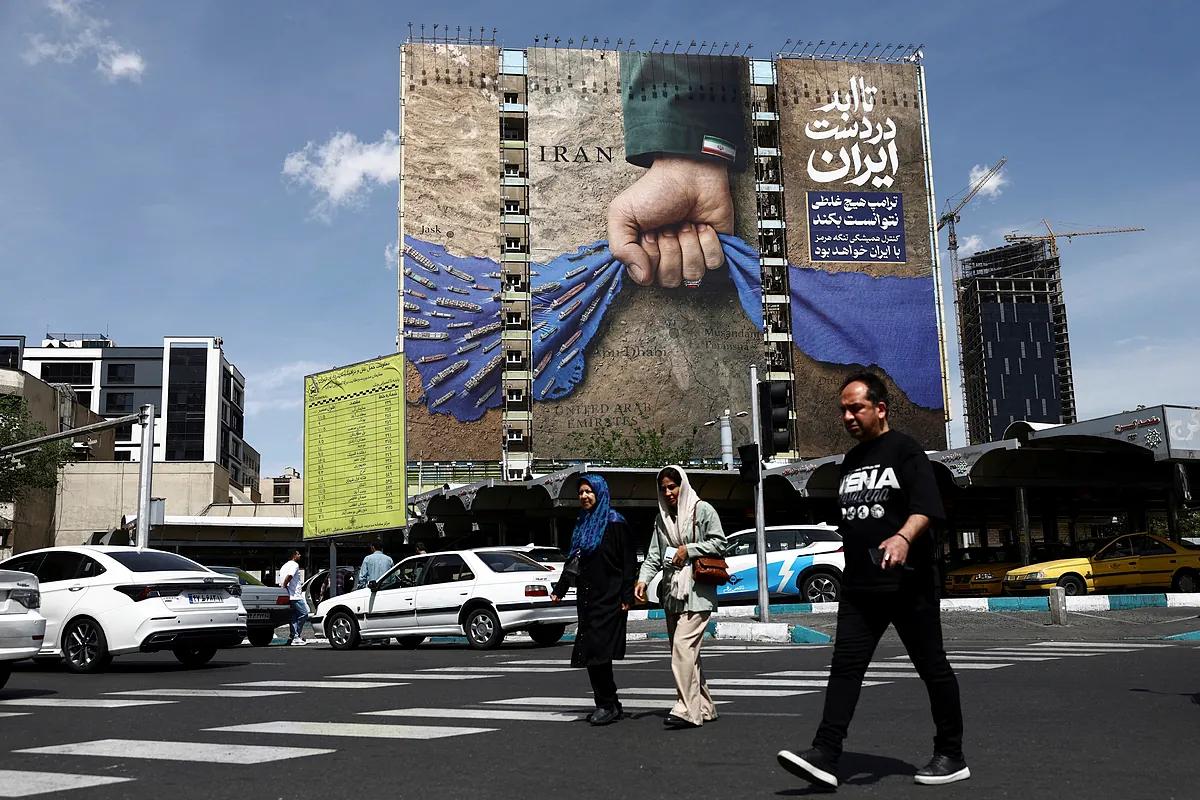
U.S. Navy Forces Six Tankers Carrying 10.5 Million Barrels Of Iranian Oil To Turn Back
Key Takeaways
- Strait of Hormuz remains closed; U.S. naval actions disrupt traffic.
- A third U.S. aircraft carrier deployed off Iran.
- UN Security Council condemned Iran's attacks against neighboring countries.
Hormuz choke tightens
The Strait of Hormuz remains effectively closed as the United States and Iran continue a maritime standoff that has lasted for two months, with U.S. aircraft and drones patrolling the skies while Iranian fast boats do the same at sea.
“Middle East: A third U”
El Mundo says Iran maintains the choke on the Strait of Hormuz, which has been in place for two months, and describes the situation as worsening “day by day.”
The same article frames the confrontation as a contest between “the ayatollahs and the U.S. Navy,” with both sides trying to determine “which side will yield first.”
El Mundo also reports that U.S. forces “yesterday forced six tankers carrying about 10.5 million barrels of Iranian oil to turn back,” while “another four million barrels managed to pass by,” navigating close to the Iranian coast to bypass the blockade.
El Mundo adds that “Dozens of them, warned over the radios of the American destroyers, have turned back.”
Al Ghad’s report says ship-tracking data on Monday showed an ADNOC liquefied natural gas carrier crossed the Strait of Hormuz and appears to be near India.
El Mundo further describes electronic warfare chaos, saying “the GPS position of ships in international waters off the United Arab Emirates and Oman are suddenly appearing inside the Strait or even on Omani territory,” and that data show vessels in the port of Fujairah as if they were on land.
Mines and the U.S. plan
As the maritime confrontation continues, the U.S. has moved to remove Iranian mines from the Strait of Hormuz, according to Al Ghad, which says President Donald Trump announced that the U.S. Navy is removing Iranian mines from the Strait of Hormuz.
Al Ghad reports that experts say underwater explosive searches could take months, and it links the effort to the fragile ceasefire and to concerns about confidence for commercial shippers and insurers.

The report quotes Foreign Policy Research Institute researcher Emma Salisbury, who argues that even if mines were not planted, the mere belief that they were could deter shipping, saying: “you don’t even have to have planted mines; you just have to make people believe you planted mines.”
Salisbury adds that “even if the United States sweeps the Strait and declares that everything is safe, all the Iranians have to say is: actually, you haven’t found them all yet.”
Al Ghad also says mine clearance may take six months, citing defense officials who told lawmakers that clearing the mines Iran planted in the Strait could take about six months, and it notes that Defense Secretary Pete Hegseth told reporters on Friday that the military would not speculate about the timeline while also saying, “we are confident in our ability, in due time, to remove any mines we discover.”
The same report says Trump ordered the Navy to attack any boat that plants mines in the Strait and that, via social media on Thursday, Trump said: “furthermore, our mine-clearing vessels are now sweeping the Strait, and I hereby order to continue this activity, but at three times the level.”
El Mundo, meanwhile, says Tehran has continued to mine the Strait this weekend with its fast boats despite Trump’s explicit threats, and it describes only a few tankers near the Iranian coast managing to exit while dozens turn back after warnings from American destroyers.
Diplomacy and signals
Alongside mine-clearing and blockade measures, the sources describe diplomatic and political signaling around the conflict, including U.S. decisions affecting negotiation logistics.
“Ship-tracking data on Monday showed that a liquefied natural gas carrier operated by the Abu Dhabi National Oil Company (ADNOC) of the United Arab Emirates crossed the Strait of Hormuz and appears to be near India”
Al Ghad says the United Nations Security Council condemned attacks carried out by Iran against neighboring countries in the region today, reiterating its full support for Council Resolution 2817, and it also reports that Sheikh Abdullah bin Zayed Al Nahyan and Omid Nouripour discussed the overall situation in the region.
The same Al Ghad report says White House spokesperson Karoline Leavit described the attack during the White House Correspondents Dinner as the third major assassination attempt against President Donald Trump.
It also says the United States has imposed a blockade on Iran’s ports and seized ships tied to Tehran, while Trump said on Saturday that he had ordered his envoys not to travel to Pakistan to attend the latest round of negotiations after the departure of Iran’s senior diplomat from Islamabad.
El Mundo focuses on the strategic bargaining framework, saying the American president has imposed a siege policy to soften Iran and to have it negotiate under his prior conditions, including handing over its enriched uranium, stopping support for allied militias in the region, such as Hezbollah or Hamas, and stopping its ballistic missile program.
El Mundo adds that Tehran has sent a new proposal to the United States: reopen Hormuz, but only if Washington signs the end of the war and with guarantees that it will not be resumed, and it says any matter regarding ballistic missiles and the nuclear program would be negotiated afterward.
The same El Mundo piece says Trump desires a quick deal and to get out of the chaotic Iran labyrinth so as to change course as soon as possible.
Sea war and U.S. posture
The Arabic-language report from الحُرة frames the conflict’s maritime dimension as the place where the war’s course is decided, describing how Iran closed the Strait of Hormuz within hours of the initial U.S. strikes on February 28.
It says the fight for control of the strait became the defining feature of the war and argues that what followed did not resemble a quick assertion of naval dominance as the opening campaign had promised.
The report states that, on paper, the United States in the region possesses three aircraft carriers with their task groups and dozens of surface ships and submarines capable of striking anywhere in the ocean, yet the Strait of Hormuz remains effectively closed and commercial shipping has not returned to normal.
It cites the International Energy Agency as saying this conflict has delivered the steepest shock to oil supplies in history, with Brent crude trading above $107 per barrel, and it says thousands of sailors are stuck in the Gulf.
The report describes both sides taking ships from one another, firing on vessels belonging to third countries, and laying and removing mines in the same waterway at the same time.
It then details U.S. deployment, saying only four or five of the eleven aircraft carriers are available for global combat operations, and that three of those are devoted to this conflict.
It says USS Abraham Lincoln was withdrawn from the Pacific theater and redirected westward, arriving in the Indian Ocean a month before the war began, and that it was followed by USS Gerald R. Ford in February and USS George H.W. Bush leaving Virginia in late March and sailing around the southern tip of Africa to avoid the Red Sea.
The report also says the initial Tomahawk strikes targeted Iranian naval forces along the southern flank before any other action, and it says an American submarine sank an Iranian frigate off the coast of Sri Lanka.
Escalation calculus and patience
El Mundo portrays the standoff as a “cockfight” in which neither side steps back as the situation worsens, and it describes a siege policy designed to force Iran to negotiate under U.S. prior conditions.
“Welcome back to MBN's Iran Newsletter”
It says the American president has imposed a siege policy to soften Iran and to have it negotiate under conditions that include handing over its enriched uranium, stopping support for allied militias in the region, such as Hezbollah or Hamas, and stopping its ballistic missile program.
El Mundo then describes Tehran’s approach as continuing to mine the Strait this weekend with fast boats despite Trump’s explicit threats, while some Tehran-linked oil tankers try to breach the American blockade.
It reports that dozens of tankers, warned over the radios of American destroyers, turned back, and it says the ayatollahs have no intention of reopening the Strait until Washington accepts the onerous terms Tehran wants to impose.
The same El Mundo article says Iran has sent a new proposal to the United States to reopen Hormuz only if Washington signs the end of the war and with guarantees that it will not be resumed, and it says ballistic missiles and the nuclear program would be negotiated afterward.
El Mundo quotes German defense analyst Nico Lange saying that, in the current phase, “the United States and Iran are testing each other's patience,” and it quotes Raz Zimmit saying “each side believes—not necessarily rightly—that its capacity for resilience exceeds that of the other.”
Zimmit’s quote continues with both sides estimating “that they still have additional effective escalation steps,” including “U.S. attacks against infrastructure and power plants” and “closure of the Bab el Mandeb Strait and Iranian attacks against energy infrastructure in the Gulf.”
Al Ghad’s report adds that mine clearance is one of the latest tactics announced by the Trump administration to restore the flow of navigation through the Strait amid rising energy prices.
More on Iran
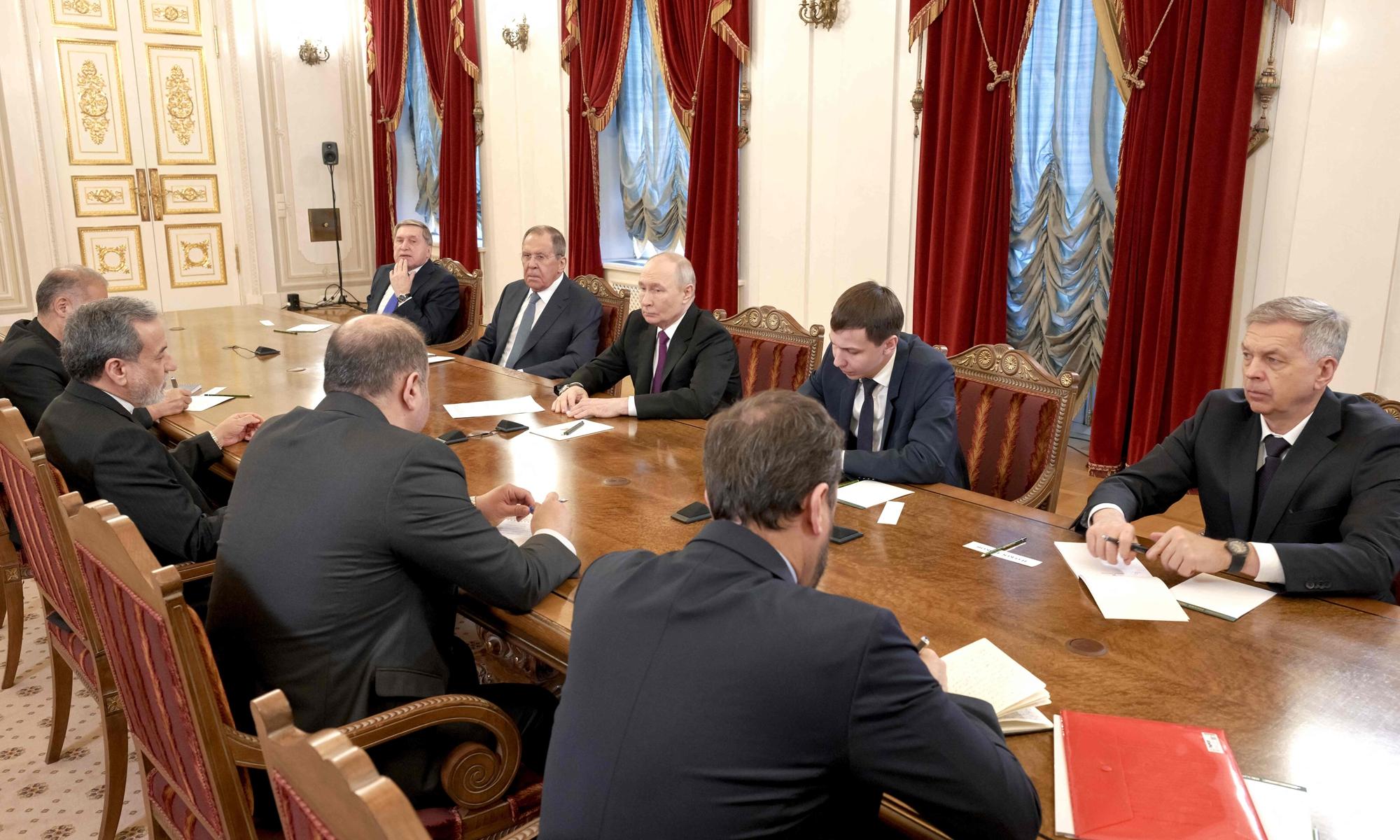
Abbas Araghchi Proposes Reopening Strait of Hormuz, Defers U.S. Nuclear Talks in Russia Trip
29 sources compared
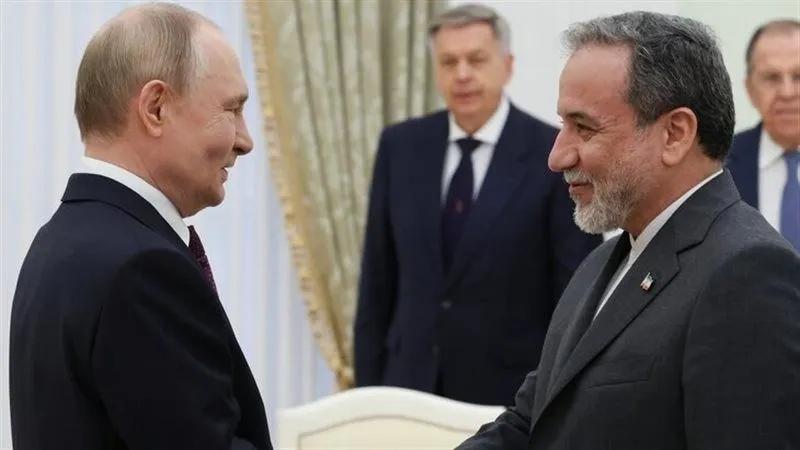
Putin Pledges Support for Iran as Abbas Araghchi Meets Him in St. Petersburg
30 sources compared
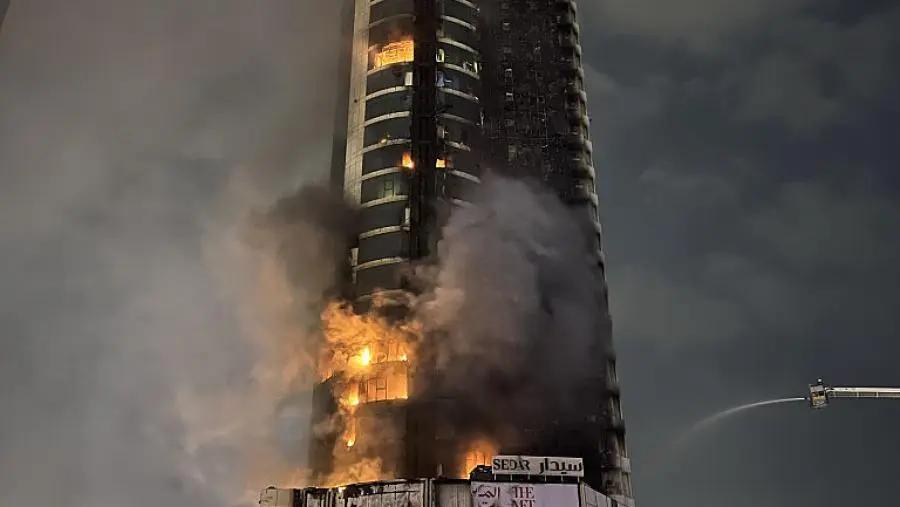
Bahrain Revokes Citizenship of 69 People for Supporting Iran Amid Regional Escalation
12 sources compared

Iran Offers U.S. Strait of Hormuz Reopening, Ending War, Postponing Nuclear Talks
29 sources compared