USA · updated 1h ago · 2 min read
U.S. Navy Selects Boeing for F/A-XX Sixth-Generation Fighter Contract Worth Over $20 Billion
Boeing wins Navy F/A-XX development contract valued at about $20 billion. Northrop Grumman was the main rival; Lockheed Martin was eliminated earlier.
12 outlets told this the same way.
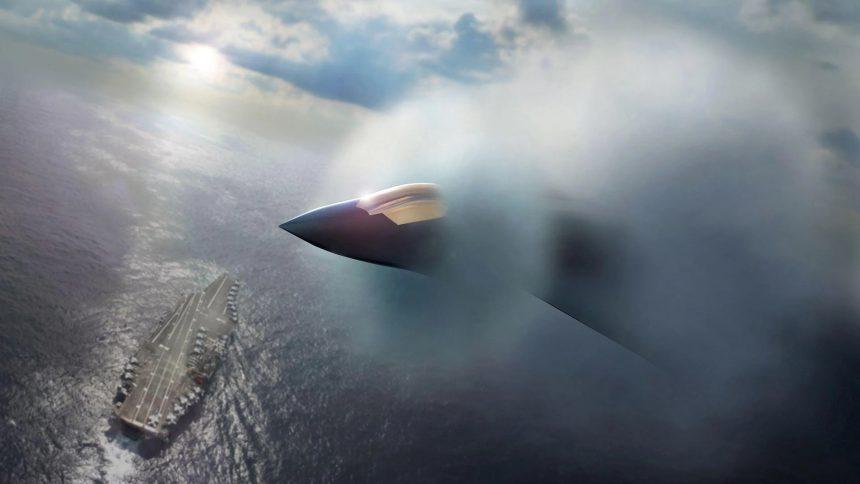
9 of 10 outlets skipped it: TWZ analyses renders: single pilot, AI/big AESA; no visible canards..
12outlets compared
Boeing Wins F/A-XX
The U.S. Navy selected Boeing to build its sixth-generation carrier-based strike fighter, the F/A-XX, in a contract valued at more than $20 billion for the full-scale development phase.
“The Navy has awarded Boeing a contract worth more than $20 billion to build its new carrier-based sixth-generation fighter, the F/A-XX.”
Michael P. Duffey, the undersecretary of defense for acquisition and sustainment, said in a Pentagon release, “F/A-XX will dominate contested airspace, extend operational reach, and deliver a decisive combat advantage for the warfighter.”
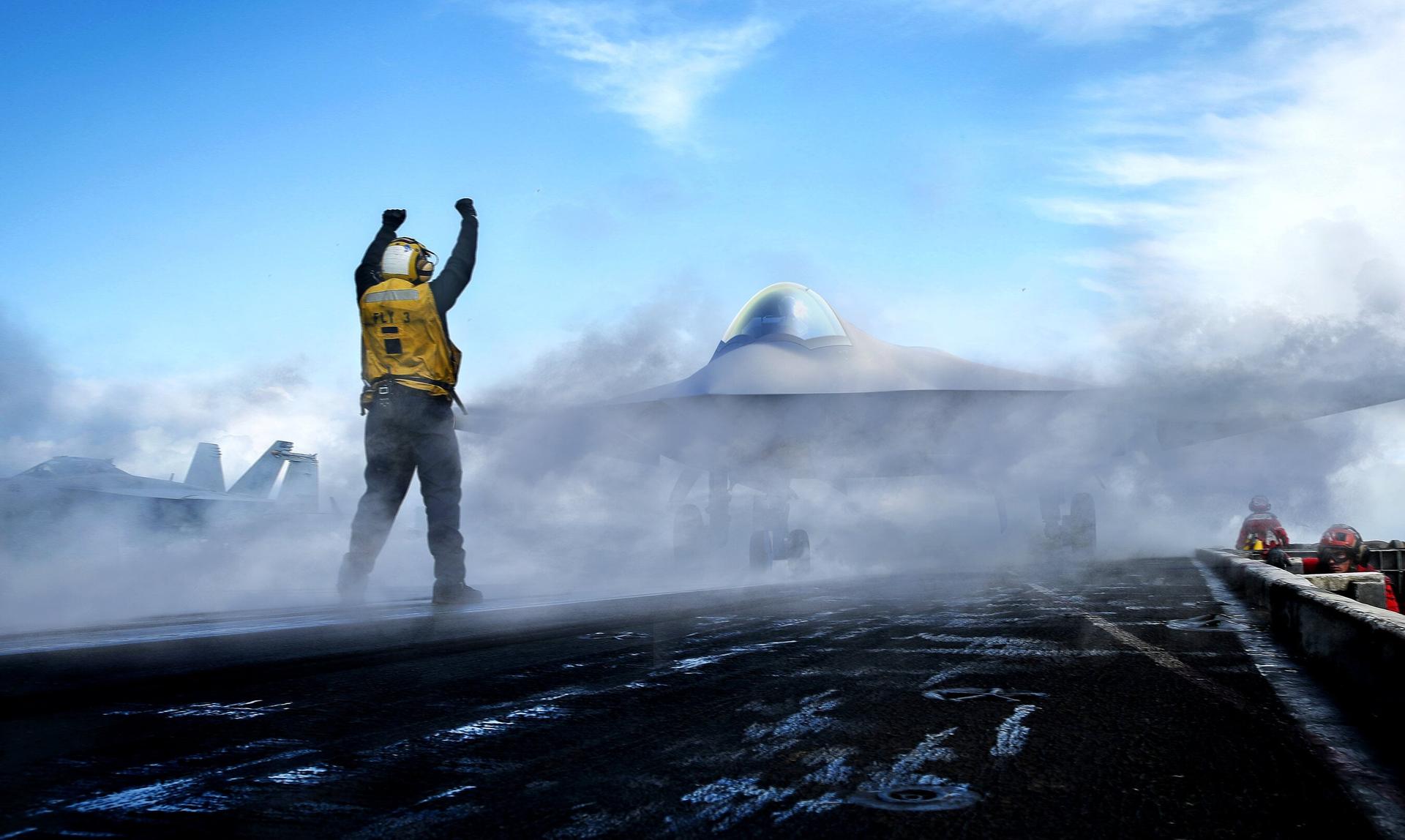
Acting Secretary of the Navy Hung Cao said, “This achievement marks a new era for the U.S. Navy,” as the Navy said the F/A-XX would first augment and eventually replace older F/A-18E/F Super Hornets and EA-18G Growlers beginning in the 2030s.
Boeing said the company was “ready to execute this critical program,” while the Pentagon release said the F/A-XX will operate alongside carrier-based F-35C Joint Strike Fighters.
Northrop Grumman lost the competition for the Navy’s Next-Generation Air Dominance fighter, and Boeing’s win capped months of delay over a program central to U.S. strategy for countering China in the Pacific.
Claims, rivals, and capacity
Michael Duffey framed the award as a “crucial, non-negotiable investment in America’s national security and long-term air combat capabilities,” while Boeing said construction is continuing at its “secure manufacturing” facility in St. Louis.
Steve Parker, president and chief executive officer of Boeing Defense, Space and Security, called the selection “an honor to be selected to produce the Navy’s first sixth-generation platform,” and he said Boeing was “ready to execute this critical program.”
Northrop Grumman said it had offered “a highly survivable, digitally advanced sixth-generation fighter to the U.S. Navy,” and the company said it “look[s] forward to receiving additional information about their selection.”
Reuters reported that defense officials had raised questions about whether Boeing could field enough engineers and suppliers to execute both the F-47 and the Navy fighter simultaneously, but Reuters said those concerns “appear to have been resolved in the company's favor.”
What the Navy expects next
The Pentagon release said the F/A-XX will be able to fly alongside and control semi-autonomous Navy drones known as Collaborative Combat Aircraft, and it said the platform represents a “crucial” investment for long-term U.S. air combat capabilities. The Navy expects the F/A-XX to perform multiple duties in the carrier air wing, replacing the Boeing F/A-18E/F fighter and EA-18G Growler electronic attack aircraft beginning in the 2030s. Congress provided $972 million in F/A-XX research and development funding in the fiscal 2026 defense appropriations bill earmarked for awarding an engineering and manufacturing development contract to a single vendor and to support an accelerated initial operational capability.
“The Navy expects the F/A-XX to perform multiple duties in the carrier air wing, replacing the Boeing F/A-18E/F fighter and EA-18G Growler electronic attack aircraft beginning in the 2030s.”
Reuters said first production F/A-XX jets are expected in the 2030s, while the Super Hornet fleet, in service since the 1990s, is expected to remain flying into the 2040s. The contract also procures multiple test aircraft for ground, airworthiness, systems, and weapons integration testing, and the Navy said the F/A-XX will be interoperable with both manned and unmanned platforms such as Collaborative Combat Aircraft.