Iran24 May, 20263 min read
U.S. Near Iran Deal To End War, Reopen Strait of Hormuz, Iran Surrenders Highly Enriched Uranium
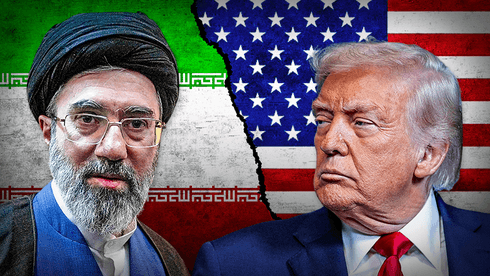
US nearing deal with Iran to end war and reopen the Strait of Hormuz. Iran agrees in principle to dispose of highly enriched uranium.
The Jerusalem Post was read line by line by the Watchdog: 4.6. See the score →
Deal talks, not signed
The United States is close to reaching a deal with Iran that would end the war, reopen the Strait of Hormuz, and see Iran give up its stockpile of highly enriched uranium, regional officials told The Associated Press on Sunday while President Donald Trump said he told representatives "not to rush into a deal." Trump said negotiations were "proceeding in an orderly and constructive manner," and the relationship with Iran was becoming "much more professional and productive." The agreement would not be signed Sunday, according to a person familiar with the status of negotiations who spoke on condition of anonymity because they were not authorized to comment publicly.
“Trump said he told representatives ‘not to rush into a deal.’”
Under the potential deal, Tehran would agree to give up its stockpile of highly enriched uranium, with how Iran would do so subject to further talks during a 60-day period, and a U.S. official confirmed the 60-day period and said if Iran doesn't give up its stockpile there will be no sanctions relief. Iran has 440.9 kilograms (972 pounds) of uranium enriched up to 60% purity, a short technical step from weapons-grade levels of 90%, according to the International Atomic Energy Agency, and President Masoud Pezeshkian told state TV they were ready "to assure the world that we are not after a nuclear weapon."

Iran pushes back publicly
Iran has pushed back on parts of Trump’s public claims, with Iranian Foreign Ministry spokesman Esmail Baghaei telling the state-run news agency there are "narrowing differences" between the Iranian and U.S. positions while Iran remains cautious after being attacked twice in the past year during nuclear negotiations.
In a social media post, Iran’s embassy in India said Tehran has an “inalienable” right to nuclear technology, while the emerging deal framework described by regional officials links strait reopening to U.S. ending its blockade and sanctions relief to Iran meeting commitments.

Secretary of State Marco Rubio said on a visit to India that "significant progress, although not final progress, has been made" in negotiations, and he said the first stage ahead would be the full reopening of the strait.
Rubio also said the second stage requires Iran to enter serious negotiations on three topics: their pledge never to have nuclear weapons, restrictions long-term on their enrichment capabilities, and what to do with the highly enriched uranium.
The Washington Post’s AP-sourced reporting framed the U.S. as close to a deal while Trump urged patience, and it described the strait’s reopening as a step that would address a worldwide energy crisis sparked by the U.S. and Israeli bombardment of Iran on Feb. 28.
Energy, sanctions, and war
The emerging framework described by regional officials would gradually reopen the Strait of Hormuz in parallel with the U.S. ending its blockade, and the U.S. would allow Iran to sell its oil through sanctions waivers while sanctions relief and the release of Iran’s frozen funds would be negotiated during the 60-day time frame. The CBS account of the talks said the deal agreed to in principle would be a two-step process, with the immediate opening of the Strait of Hormuz in exchange for lifting the U.S. blockade, followed by negotiations on a mechanism for Iran to give up various parts of its nuclear program. CBS also reported that no decisions had been made yet on unfreezing Iranian assets, and that even if they had formalized the agreement, nothing would be signed today.
Al Jazeera reported that major disagreements remain, especially over the status of the Strait of Hormuz, Iran’s nuclear programme, and conflicts involving Tehran-backed groups in Lebanon, even as Trump said the agreement was "largely negotiated." In the same Al Jazeera reporting, Iran’s Ministry of Foreign Affairs spokesperson Esmaeil Baghaei said Tehran’s immediate priority was ending the war, stopping any future U.S. attacks and the fighting in Lebanon, while the draft agreement was described as allocating 30 days for procedures related to the Strait of Hormuz and 60 days for nuclear talks.