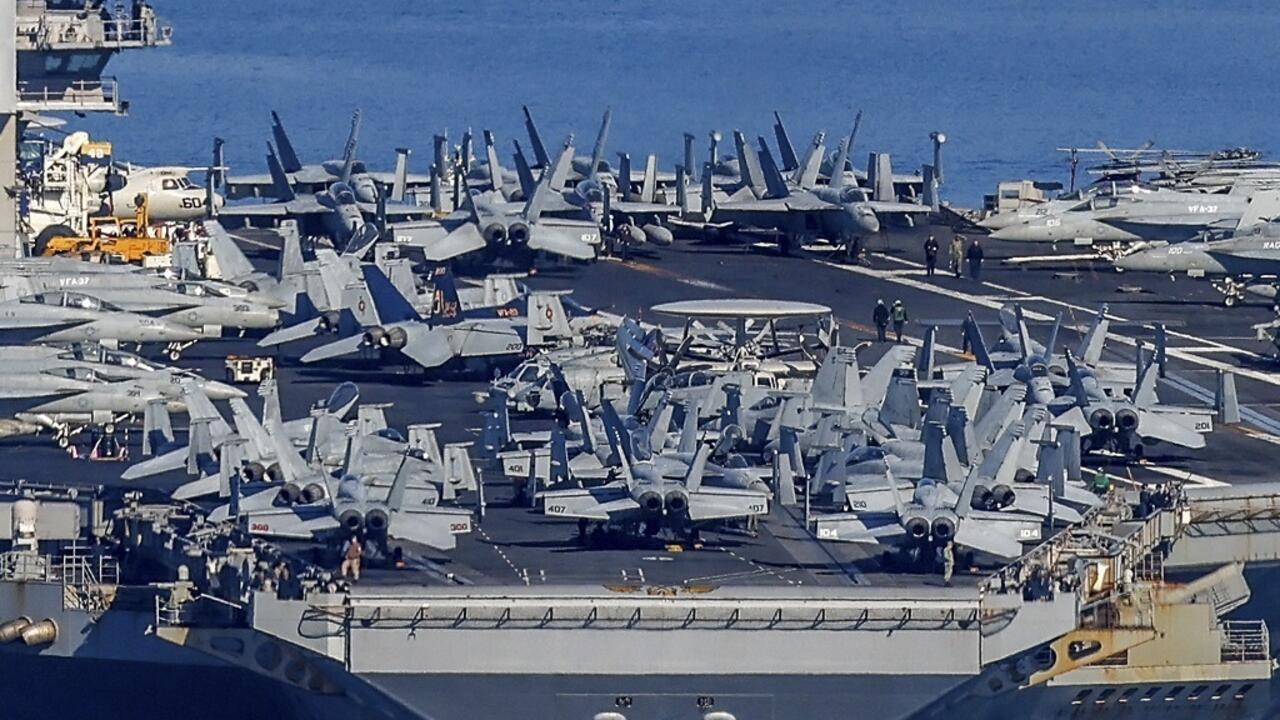
U.S. Officials Say Iran War Cost Nears $50 Billion, Pentagon Estimate Falls Short
Key Takeaways
- Pentagon official says the war has cost about $25 billion so far.
- Multiple officials and outlets place true cost near $50 billion, about double Pentagon figure.
- Higher estimates include costs not in $25B, such as base repairs and damaged equipment.
Competing cost figures
The debate over the Iran war’s price tag has intensified in Washington as U.S. officials and lawmakers clash over whether the Pentagon’s public estimate is complete.
“CNN and Reuters reported on the 30th that the Defense Department told Congress the previous day that the war had cost $25 billion so far”
In testimony Wednesday, Pentagon acting comptroller Jules Hurst said “Operation Epic Fury” had cost about $25 billion so far, and NBC News reported that Hurst told the House Armed Services Committee that “Approximately, of this day, we're spending about $25 billion on Operation Epic Fury.”
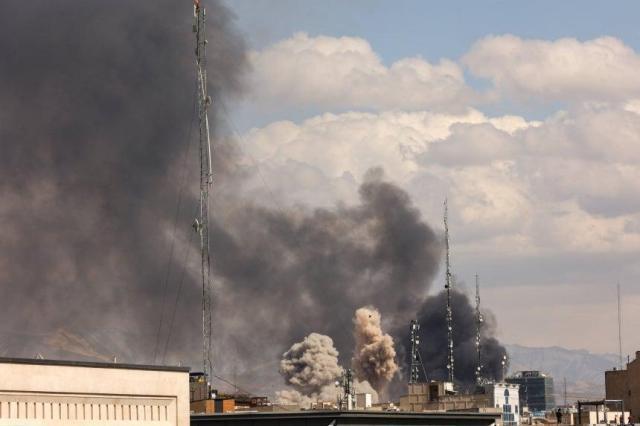
Multiple outlets then reported that internal assessments put the figure much higher, with CBS News saying the “true price tag of the Iran war is closer to $50 billion,” and Türkiye Today describing it as “nearing $50 billion—approximately twice the public figure.”
CNN similarly reported that the $25 billion estimate “does not include the cost of repairing extensive damage suffered by US bases in the region,” and said sources put the real cost “closer to $40-50 billion.”
The Hill added another layer by quoting Sen. Angus King, who told CNN that “I believe the $50 billion estimate is more accurate,” and pegged the war’s cost around “a billion dollars a day” as the conflict passed “60 days.”
The dispute is not only about a single number but about what categories are counted, with CBS News and CNN both pointing to damaged or destroyed equipment and repair costs that were not fully reflected in the Pentagon’s public accounting.
What’s driving the gap
Across the reporting, the higher internal estimates are tied to categories the Pentagon’s public figure allegedly did not fully capture, especially munitions consumption and damage to U.S. installations.
CBS News said “Much of the gap is accounted for by munitions that have been used and need to be replaced,” and it pointed to the Pentagon’s reported loss of “24 — sophisticated unmanned aircraft that can cost $30 million or more apiece.”

Türkiye Today likewise reported that the higher estimate reflects costs not fully included in the Pentagon’s public assessment, “including damaged or destroyed military equipment, munitions used during the conflict and damage to U.S. military installations.”
CNN reported that the $25 billion figure was “a lowball figure” because it “does not include the cost of repairing extensive damage suffered by US bases in the region,” and it described Iranian strikes across the Gulf in the early days as damaging “at least nine US military sites in just 48 hours,” naming facilities in Bahrain, Kuwait, Iraq, the UAE and Qatar.
CNN also reported that “Several critical US radar systems and other equipment across the Middle East were also apparently destroyed,” including “the radar system for an American THAAD missile battery in Jordan” and buildings housing similar radar systems at “two locations in the United Arab Emirates.”
The reporting also emphasized uncertainty about future construction and posture, with Jules Hurst telling lawmakers, “We don't know what our future posture is going to be, or the future construction of those bases,” and CBS News repeating that Hurst said estimating military construction is “hard to estimate.”
In the same vein, CNN reported that Hurst said the cost to repair facilities is “not reflected” in the Pentagon’s “$1.5 trillion budget request for fiscal year 2027,” because the department is still assessing “what we want to construct in the future.”
Lawmakers press for answers
The cost dispute played out in hearings where lawmakers questioned what was included in the Pentagon’s $25 billion figure and whether the administration would seek supplemental funding.
“The real price of a war with Iran is approaching $50 billion nearly double the figure the Pentagon recently presented to Congress, according to US officials who spoke to CBS News”
NBC News reported that Rep. Adam Smith, D-Wash, pressed the Pentagon on whether it planned “to ask Congress for supplemental funding,” and Hurst responded, “We will formulate a supplemental, through the White House, that will come to Congress once we have a full assessment of the cost of the conflict.”
NBC News also described Rep. Maggie Goodlander, D-N.H., asking for a “basic breakdown of American taxpayer dollars,” and Goodlander criticized Hurst’s explanation that the figure “just reflects the costs of the war.”
CNN reported that Democratic Rep. Ro Khanna called the $25 billion estimate “totally off” during Wednesday’s hearing, and it quoted Khanna’s skepticism in the broader reporting as “Your $25bn number is totally off.”
In the same hearing context, The Hill quoted Sen. Richard Blumenthal, D-Conn., asking Hurst whether the $25 billion estimate “include all of the costs in terms of damage to our bases, the need to replace planes and munitions, and the costs of injuries to our service, men and women?” and CNN reported that Hegseth “declined to say whether that figure included repairing damage to US bases.”
The Hill also quoted Sen. Angus King telling CNN’s Kate Bolduan that “I’m going to try to make some inquiry into what they based their estimate on,” because “$25 billion is considerably below all the other estimates I’ve been seeing for the past two months.”
Beyond the hearing room, the dispute is tied to the War Powers framework, with NBC News noting that the conflict is “slated to exceed 60 days this week” and referencing the 1973 War Powers Resolution’s limit of “up to 60 days” without congressional approval.
Iranian and U.S. narratives collide
While U.S. lawmakers argued over Pentagon accounting, Iran’s foreign minister attacked the U.S. narrative with his own cost claims.
The New Region reported that Iranian Foreign Minister Abbas Araghchi said on Friday that “the Pentagon is lying” about the cost of the war with Iran, insisting that “the true figure is $100 billion,” which he said is “four times higher than the US official estimate.”

Araghchi wrote on X that “Netanyahu's gamble has directly cost America $100b so far, four times what is claimed,” and he added, “Indirect costs for U.S. taxpayers are FAR higher,” including a claim that “Monthly bill for each American household is $500 and rising fast.”
The New Region also said Araghchi’s remarks contradicted statements made by U.S. officials earlier this week, including Jules Hurst’s congressional testimony that Washington has spent “about $25 billion so far on the war with Iran.”
In parallel, Al Jazeera framed the U.S. debate as a clash between the Pentagon’s $25bn figure and Democratic leaders and economists who believe the number is far higher, saying the actual cost “could amount to between $630bn and $1 trillion.”
Al Jazeera also reported that Hegseth clashed with lawmakers, quoting Hegseth lashing out at lawmakers who questioned Trump’s handling as “The biggest challenge, the biggest adversary we face at this point are the reckless, feckless and defeatist words of Congressional Democrats and some Republicans.”
The reporting also included a direct exchange where Ro Khanna asked, “Do you know how much it will cost Americans in terms of their increased cost in gas and food over the next year because of Iran?” and Hegseth responded, “I would simply ask you what the cost is of an Iranian nuclear bomb,” accusing Khanna of “playing gotcha questions about domestic things.”
Ceasefire, fallout, and next steps
The cost argument is unfolding alongside a ceasefire that has halted active fighting but left the conflict unresolved, according to the reporting.
“Bitget App Trade smarter Open [](https://www”
The New Region said that after an “extensive air campaign launched by the US and Israel against Iran on February 28,” U.S. President Donald Trump “has indefinitely extended an initial 14-day ceasefire,” and it added that “the conflict remains unresolved amid widespread and mounting economic fallout.”

The Anadolu Ajansı report described the timeline as a ceasefire announced on “April 8 through Pakistani mediation,” followed by talks in “Islamabad on April 11-12,” with “an agreement could not be reached,” and it said Trump later “unilaterally extended the truce without setting a new time frame.”
NBC News also tied the conflict’s duration to the political calendar, noting that the cost estimate is of particular interest because the conflict is “slated to exceed 60 days this week,” and it referenced the 1973 War Powers Resolution’s “up to 60 days” limit.
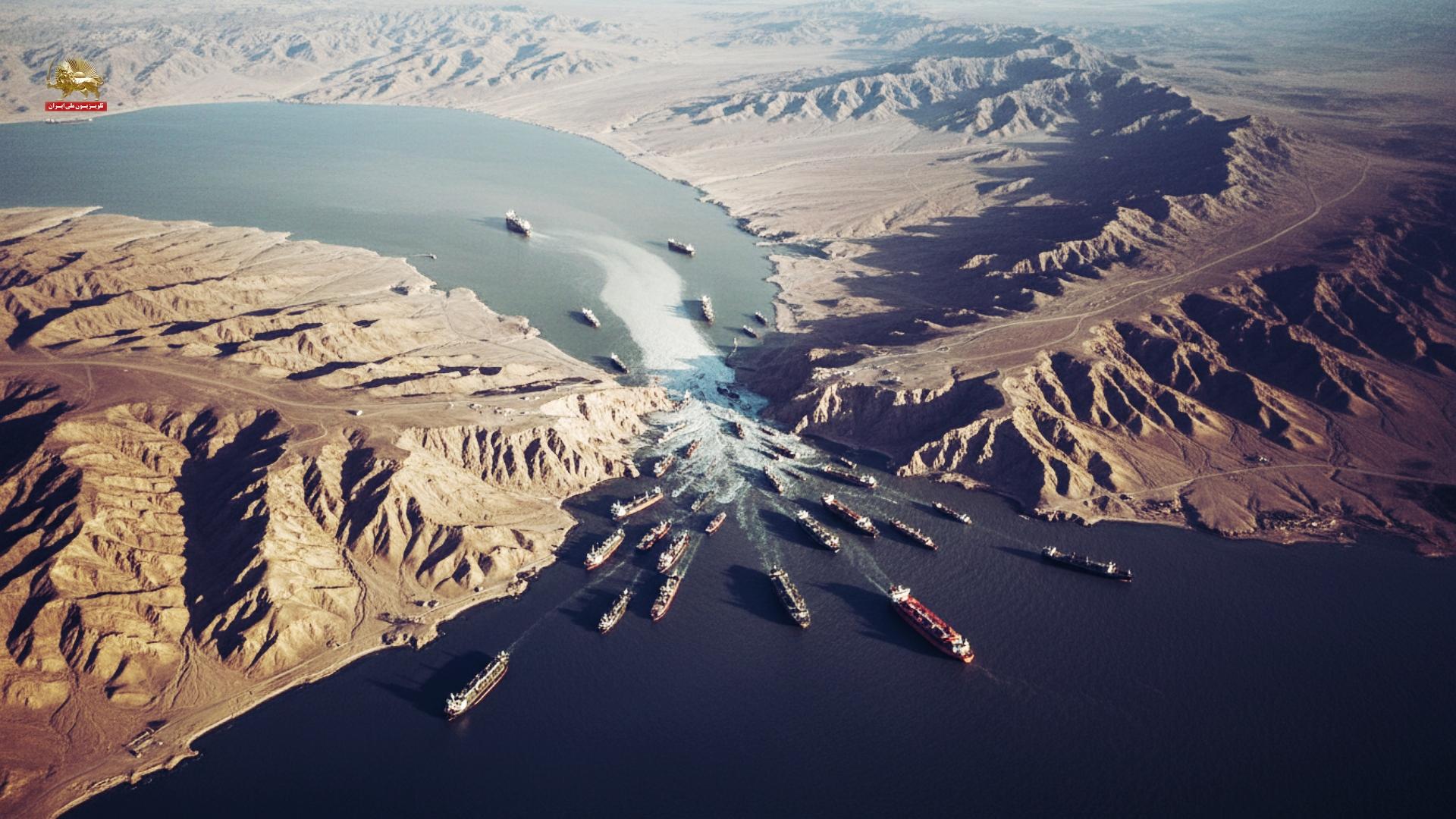
NPR’s newsletter reporting added that there are “no signs that the U.S. or Iran will budge on their blockades of the Strait of Hormuz,” and it said “Shipping traffic through the waterway remains at a standstill.”
On the budget side, CNN reported that the Pentagon asked the White House last month to approve “a request to Congress for over $200 billion in additional military funding for the ongoing war,” and it described how Hurst said the Pentagon does not have a “final number” for damage to installations overseas.
In the midst of these uncertainties, CBS News reported that Mark Cancian said it could take “several years” to return U.S. munitions levels to where they were at the beginning of the conflict, and it described how the Pentagon’s accounting depends on what it decides to rebuild and whether partners contribute.
More on Iran
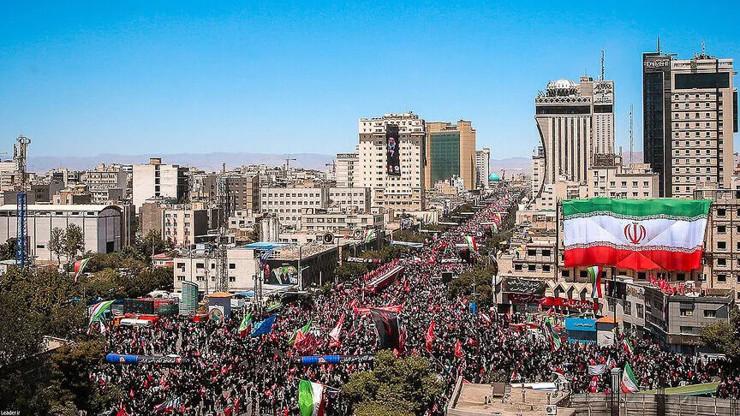
Israeli Strike Kills Ayatollah Ali Khamenei, Buried at Imam Reza Shrine in Mashhad
19 sources compared
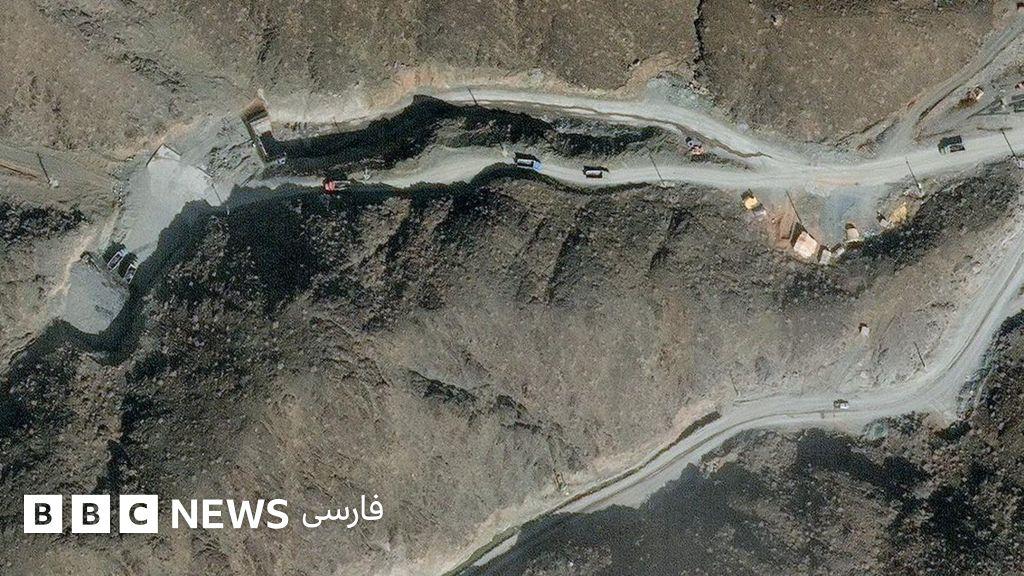
Iran Attempts To Restore Nuclear Sites Damaged In US And Israel Strikes, CNN Satellite Images Show
15 sources compared
Abbas Araghchi and Prince Faisal Bin Farhan Discuss Regional Developments After US Attacks
11 sources compared

Trump Says U.S. Agreed to Continue Iran Talks, Ceasefire Is Over
19 sources compared