Financeupdated 1h ago2 min read
Archive photo · 25 February 2026U.S. PCE Inflation Accelerates in September as Energy Prices Surge
2 Asian2 Western Mainstream1 Other1 Western AlternativePhoto: The Eloquent Peasant, CC0 · Cropped for layout
This article is an automated aggregation of coverage from news outlets. Our editorials offer in-depth analysis curated by the NewsCord team.
PCE price index rose 0.5% in September, up from August. Gasoline and energy prices drove consumer inflation, reinforcing December Fed hike odds.
Save coverage image
6 outlets told this the same way.
PCE rises on energy
The U.S. Bureau of Economic Analysis said the personal consumption expenditures (PCE) price index rose 0.5 percent month on month in September, the largest gain since March.
The PCE inflation rate climbed to 3.6 percent year on year in September, the highest since May, and the core PCE price index rose 0.3 percent month on month.
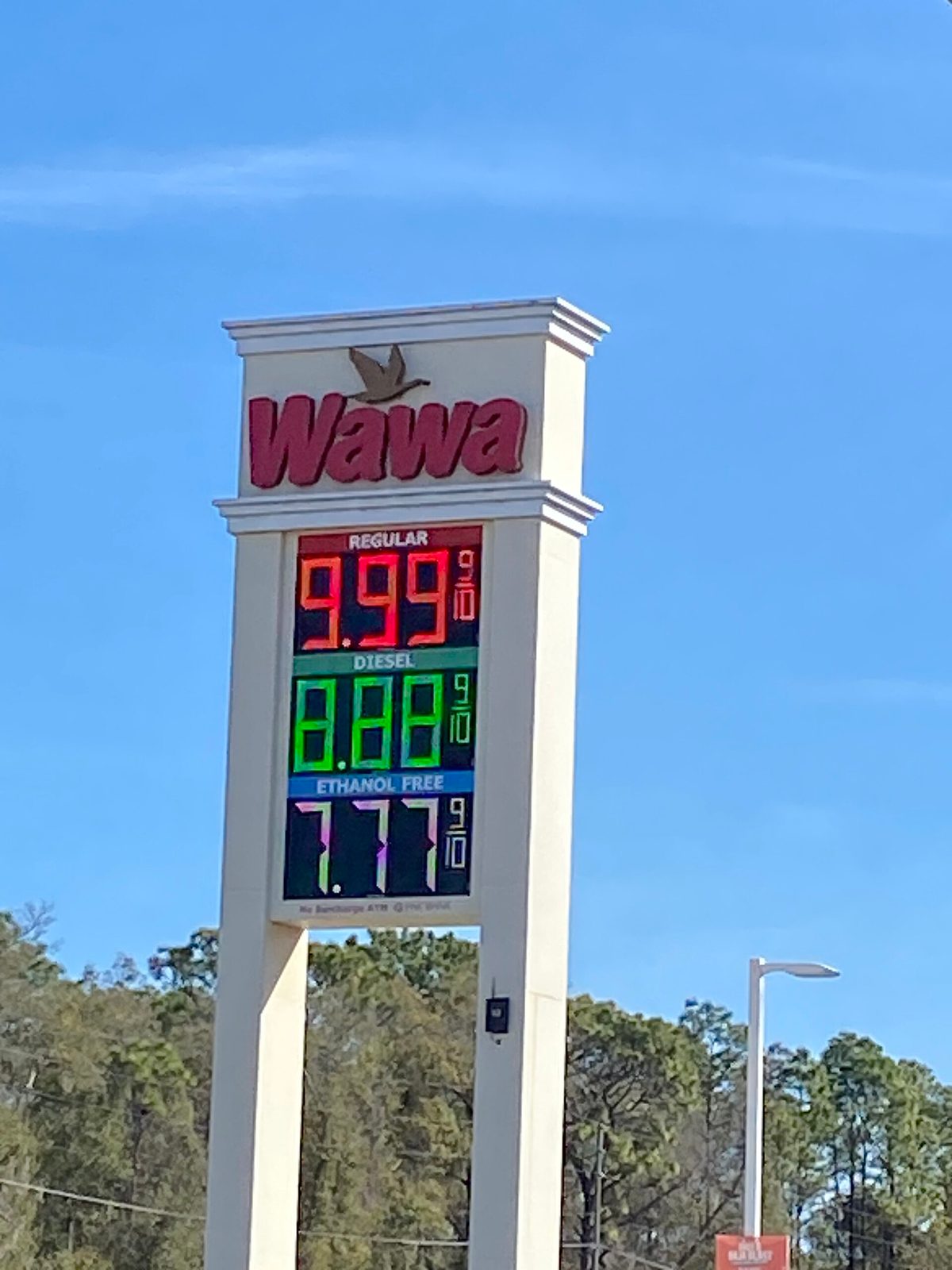
The BEA said prices for gasoline and other energy goods surged 9.2 percent from August as the Iran war and restrictions on shipping through the Strait of Hormuz kept fuel costs elevated.
The BEA also reported that core PCE inflation rose 3.1 percent year on year, up from 3 percent, while inflation ran above the Fed's 2 percent target for more than five years.
The BEA said U.S. consumer spending rose 0.5 percent in September, and it reported that adjusted for inflation spending was unchanged.
Fed holds, markets price
The Federal Reserve left its benchmark interest rate unchanged at a range of 3.75 percent to 4 percent, while acknowledging that inflation "remains elevated." Global Times said the decision followed a quarter-point rate hike in September, and it said traders were pricing in an over 80 percent chance of a rate hike at the Fed's December meeting. The Fed held its target policy rate in the current range of 3.75% to 4% while Fed Chair Kevin Warsh told reporters that "energy prices and related products have risen again in recent weeks."
Markets were pricing in around an 84.6% probability of a rate increase in December, according to CME’s FedWatch tool. CNN said the latest inflation data came as the Fed had left interest rates unchanged the day before, indicating a desire to consider more economic data before making its next policy move.
Savings fall, growth strong
The BEA reported that personal income rose 0.2 percent, slower than in August and short of the increase in prices, and it said the personal saving rate fell to 3.8 percent, the lowest in nearly four years. Personal savings fell 0.2 percentage points to 3.8%, and consumer spending rose 0.5%, slowing from a gain of 0.9% the month before. The Commerce Department reported gross domestic product expanding at a 3.4% inflation-adjusted annualized rate during the third quarter, faster than the 3.0% rate economists had projected.
“The Fed is tightening the screws, but the economy has yet to get the memo.”
Business investment skyrocketed last quarter to an annualized pace of 12.7% from 9% in the prior quarter, and exports declined by 5.7% last quarter. The report gave the Fed a runway to combat rising prices by increasing interest rates by at least a quarter point at its next monetary policy meeting in December, and it quoted Olu Sonola saying, "The Fed is tightening the screws, but the economy has yet to get the memo."