Syria31 October, 20252 min read
US Pushes Congress to Repeal Caesar Act Sanctions and Restore Syria’s Economy
This article is an automated aggregation of coverage from news outlets. Our editorials offer in-depth analysis curated by the NewsCord team.
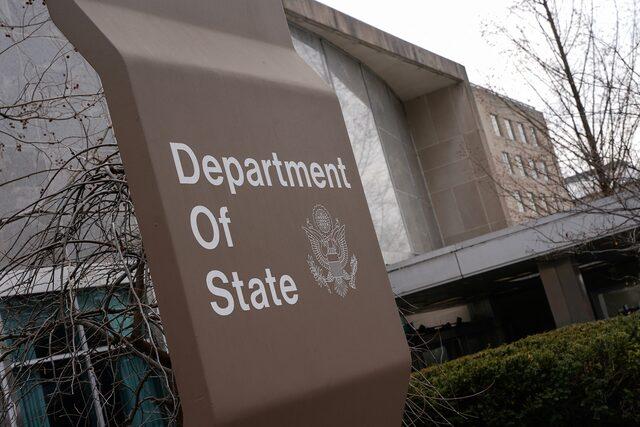
U.S. State Department supports repealing Caesar Act sanctions on Syria. Repeal efforts are being pushed through the National Defense Authorization Act.
6 outlets told this the same way.
Outlets did split on Asad Al-Shaibani Meets Saddam Haftar in Benghazi Over Syrian Consulate And Missing Syrians →
US Push to Repeal Syria Sanctions
The U.S. administration is urging Congress to repeal the Caesar Act by including the rollback in the upcoming National Defense Authorization Act.
“The U.S. administration is officially advocating for the repeal of the Caesar Act sanctions on Syria, urging lawmakers to include this repeal in the upcoming National Defense Authorization Act (NDAA).”
The State Department argues that lifting sanctions is essential for Syria’s stability and the lasting defeat of ISIS.

Yeni Safak English reports that the administration is officially advocating for the repeal of the Caesar Act sanctions on Syria and is encouraging lawmakers to incorporate this repeal in the NDAA.
The State Department emphasizes that removing these sanctions is crucial for Syria’s stability and the enduring defeat of ISIS.
Meanwhile, SANA reports legislative progress, stating that the U.S. Senate has approved a provision to repeal the Caesar Act as part of the Department of Defense budget bill, which now awaits approval from the House and the president.
From a West Asian perspective, Anadolu Ajansı highlights why Damascus and its allies welcome this development, noting that Syria’s government views international sanctions as a major barrier to the country’s recovery after years of civil war.
Syrian Political Changes and Sanctions
Yeni Safak English places the repeal effort within a rapidly evolving Syrian political landscape. It reports that Bashar al-Assad fled to Russia in December 2024, ending decades of Baath Party rule. Ahmad al-Sharaa now leads a transitional government focused on rebuilding and stability.
The White House described earlier measures as steps toward repeal, citing a May 2025 announcement to lift most sanctions and a June executive order. However, the Caesar Act itself remained law despite these developments. SANA, in contrast, emphasizes U.S. diplomatic engagement and investment support without mentioning leadership changes in Damascus.

It notes that the State Department highlighted ongoing dialogue with regional partners and supported investments aimed at promoting peace and prosperity in Syria. Anadolu Ajansı adds that the Syrian government maintains sanctions have hindered recovery.
US Sanctions and Legislative Process
Yeni Safak English reports that the administration is attempting to attach the repeal to the NDAA and highlights earlier executive actions that eased most sanctions despite the statute remaining in effect. SANA confirms the legislative process with a Senate vote to include the repeal in the Defense budget bill, noting that the measure still requires approval from the House and the president's signature. Anadolu Ajansı does not focus on the specifics of U.S. legislation but stresses that sanctions have hindered Syria's recovery following a prolonged civil war.
“The U.S. administration is officially advocating for the repeal of the Caesar Act sanctions on Syria, urging lawmakers to include this repeal in the upcoming National Defense Authorization Act (NDAA).”
Sanctions Impact on Syria
Economically, all three sources point to reconstruction and recovery as the central stakes in any repeal. Yeni Safak English states that “The sanctions have been a major obstacle to Syria’s reconstruction after 14 years of civil war,” aligning with Anadolu Ajansı’s emphasis that sanctions are a “significant obstacle” to the country’s recovery.
SANA underscores a complementary U.S. message about mobilizing investment and regional engagement, reporting that the State Department “highlighted continued dialogue with regional partners and supported investments aimed at fostering peace and prosperity in Syria.” Yeni Safak English also relays the State Department’s security rationale—that lifting sanctions supports “the enduring defeat of ISIS”—to frame repeal as both an economic and stability measure.