USA29 October, 20252 min read
US Redeploys Troops from Europe, Weakening NATO’s Eastern Flank
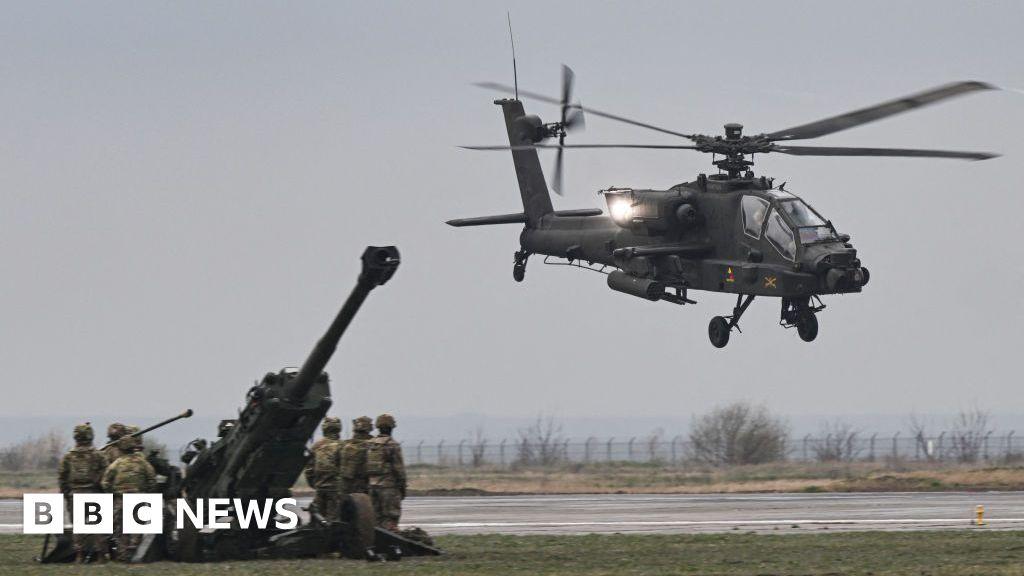
The US is withdrawing the 2nd Infantry Brigade Combat Team from Romania to Kentucky. Approximately 1,000 US troops will remain in Romania to support NATO deterrence operations.
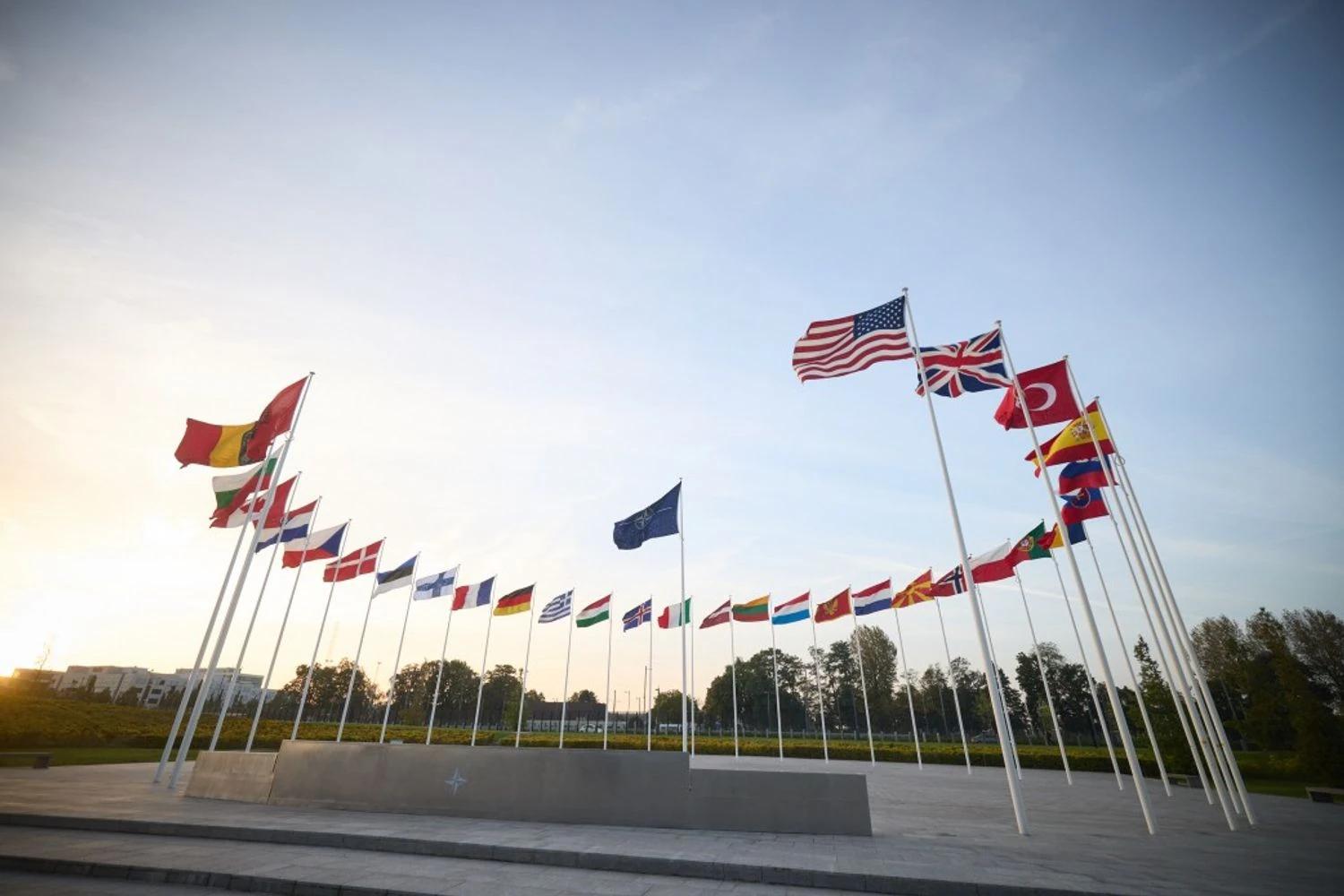
16 outlets told this the same way.
Outlets did split on Trump Interrupted by Protesters at San Antonio Rally for Ken Paxton →
US Troop Rotation in Europe
The United States is redeploying forces from Europe by rotating home the 2nd Infantry Brigade Combat Team of the 101st Airborne Division from Romania to Kentucky without replacement. At the same time, it signals it will maintain a smaller footprint on NATO’s eastern flank. NATO and U.S. officials emphasize that this move is an adjustment rather than a withdrawal, noting the U.S. presence in Europe remains larger than in previous years.
“The U.S. is adjusting its military presence in Europe by withdrawing the 2nd Infantry Brigade Combat Team of the 101st Airborne Division from Romania back to Kentucky, without replacing it with other troops.”
Romania and its allies were notified about the change, and roughly 1,000 U.S. troops are expected to remain in the country to support deterrence efforts. Romanian reports highlight the end of a forward brigade rotation and stress that NATO and Washington coordinated on the change amid shifting priorities and a consolidated allied posture along the eastern flank.

Eastern Flank Troop Adjustments
The extent to which the eastern flank is weakened is debated, with sources differing on the numbers and scope. Some reports indicate that the steady-state presence in Romania will be about 1,000 troops, while others claim over 1,700 remain. Broader estimates suggest that up to 10,000 of the 20,000 surge troops deployed in 2022 could be withdrawn, even though some forces and capabilities will stay in Romania.
Local and regional outlets highlight specific details, such as reductions of several hundred personnel at Mihail Kogălniceanu Air Base. These reductions are contrasted with assurances that NATO’s consolidated posture allows U.S. adjustments without compromising defense.
NATO Coordination and Notifications
Allied messaging is mixed on NATO’s role and responsiveness. Several outlets say NATO was informed and is coordinating closely with Washington, downplaying strategic impact. Others say NATO had not commented at the time of reporting.
“Officials from Poland and Lithuania have stated they have not been informed of any plans to reduce U.S. troops in their countries.”
Officials in Poland and Lithuania say they were not notified of reductions in their countries. This aligns with U.S. assurances that the adjustments are centered on Romania rather than the northeastern flank.
US Military Presence in Romania
On the ground in Romania, authorities stress continuity at key sites while acknowledging a smaller U.S. footprint. Bucharest says this is not a full withdrawal but a halted brigade rotation, with bases like Deveselu, Câmpia Turzii, and Cogalnicău remaining operational alongside missile defense systems. Forces at Mihail Kogălniceanu are being reduced.
U.S. officials and some outlets frame the shift within a broader strategic rebalancing toward China, the Indo-Pacific, and other priorities. Some political voices signal possible increases in Poland, underscoring uneven adjustments across the flank and differing national priorities.

NATO and Russian Tensions
The move has drawn warnings that it could weaken deterrence and send the wrong signal to Moscow, even as officials insist it does not reduce NATO’s security. Romanian and U.S. critics argue there is no clear tactical rationale and fear emboldening Russian pressure near NATO borders. Others stress that the U.S. presence in Europe remains higher than before 2022 and that EU and NATO measures will continue.
Heightened tensions, such as increased Russian drone incursions into Polish airspace, feed perceptions of risk. Washington and NATO emphasize their commitment to Article 5 and ongoing multinational deployments on the eastern flank.
