China29 October, 20253 min read
US Senate Nullifies Trump’s Global Tariffs After US-China Rare Earths Trade Deal
The U.S. Senate voted narrowly to terminate Trump’s national emergency tariffs on Brazil and Canada. Five Republicans joined all Democrats in opposing Trump’s tariffs, marking rare bipartisan dissent.

19 outlets told this the same way.
US Senate Tariff Actions and Trade Talks
The Senate moved to nullify parts of former President Trump’s emergency-based tariff regime in a pair of closely divided votes.
“The article covers a Senate resolution aimed at ending tariffs imposed under a presidential emergency declaration, specifically those targeting Canada.”
Senators passed symbolic resolutions to end emergency declarations underpinning tariffs on Canada (50–46) and Brazil (52–48), with a handful of Republicans joining Democrats.
Backers said the measures signal bipartisan dissent, though they face long odds in the House.
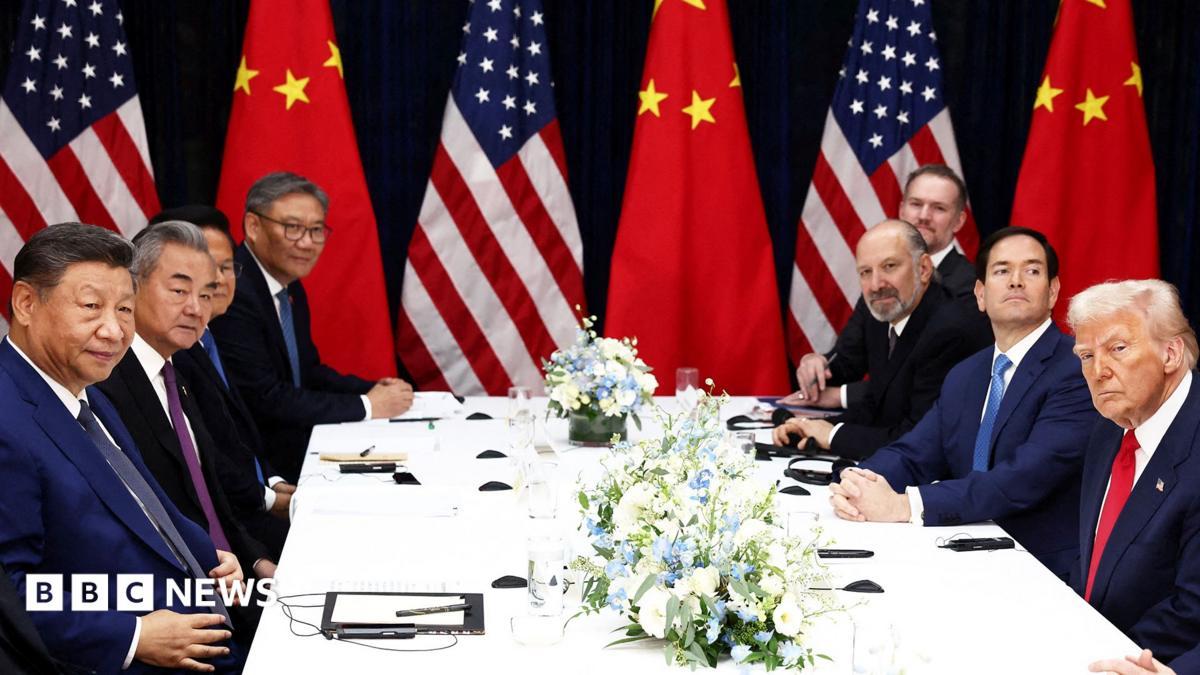
Meanwhile, an Asian outlet reported Trump called an Oct. 30 meeting with China’s Xi in Busan “amazing,” touting an agreement on rare earths, soybeans, and fentanyl-related tariffs.
These claims were not echoed by U.S. outlets focused on the Senate rebukes.
Supporters of the Senate push argued the tariffs abused emergency powers and raised prices.
Opponents warned Congress against undercutting hardline trade leverage.
US Tariffs on Brazil Imports
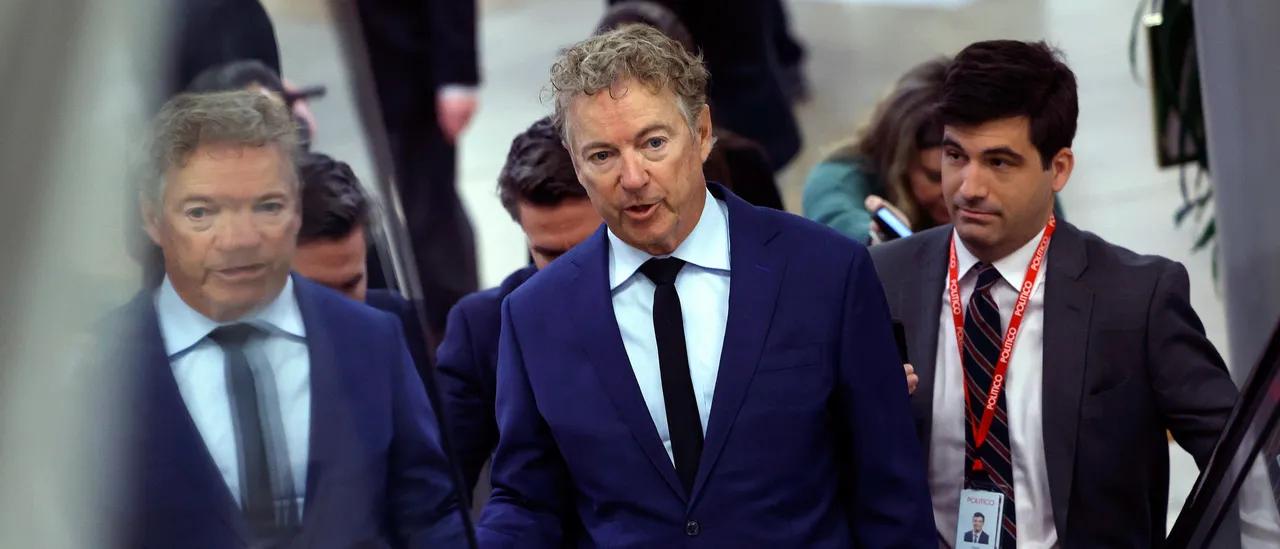
Several outlets describe a 50% tariff regime imposed on imports like coffee and ground beef from Brazil. These tariffs were enacted via a national emergency and have been criticized as unconstitutional, economically harmful, and an overreach of Congress’s authority. The Senate voted 52–48 to terminate these emergency tariffs, with five Republicans—McConnell, Paul, Murkowski, Collins, and Tillis—breaking ranks to support the termination.
Critics highlight the U.S. trade surplus with Brazil and warn that the tariffs could provoke retaliation and lead to higher consumer prices. Defenders argue that the tariffs are necessary leverage and part of a stronger bargaining posture. A pending Supreme Court case concerning IEEPA authorities adds uncertainty to this confrontation.

Canada Tariff Vote Overview
The Canadian Senate voted 50–46 to revoke emergency-based tariffs that initially started at 35%. These tariffs were threatened to increase by an additional 10% following a controversial Ontario advertisement referencing Ronald Reagan. Critics from both political parties questioned the emergency rationale related to fentanyl, highlighting the negative impact on U.S. farmers, consumers, and a close ally.
“The Senate voted 50-46 to end President Donald Trump's national emergency declaration that allowed him to impose global tariffs, including a 35% tariff on Canadian goods.”
Republican figures were divided: McConnell and Paul opposed the tariffs due to economic harm and unpredictability. Meanwhile, Vice President JD Vance called for Republican unity in support of former President Trump's trade strategy. The measure serves as a symbolic rebuke but is expected to stall in the House of Representatives and likely face a presidential veto.
U.S.-China Trade Developments
Only an Asian outlet reports a same-week U.S.–China breakthrough. Trump allegedly agreed to lower China tariffs from 57% to 47%, cut fentanyl-related tariffs from 20% to 10%, and secured a Chinese resumption of soybean purchases. 'All issues concerning rare earths' are said to be resolved.
By contrast, U.S. and other outlets focus on the Senate’s anti-tariff resolutions and provide no corroborating detail on a Busan accord. This leaves the linkage between the reported deal and Senate action unclear. Given that most sources focus on domestic checks on emergency trade powers, the Busan narrative remains singular in this set of reports.
Challenges in Tariff Policy
Looking ahead, several outlets flag structural hurdles and legal tests regarding tariff policies. House leaders have limited tariff votes and are unlikely to consider Senate resolutions on the matter. A Supreme Court case could reshape the president’s IEEPA tariff powers.
“House Speaker Mike Johnson is unlikely to bring them to a vote.”
Coverage splits between institutional-power framing and economic-cost narratives. Some emphasize constitutional overreach and congressional authority. Others warn that trade conflicts historically inflict economic damage and hurt farms and consumers.

Amid these debates, GOP figures and party-aligned leaders send mixed signals. Some urge unity behind hardline tariffs, while others back bipartisan efforts to curb emergency trade powers.