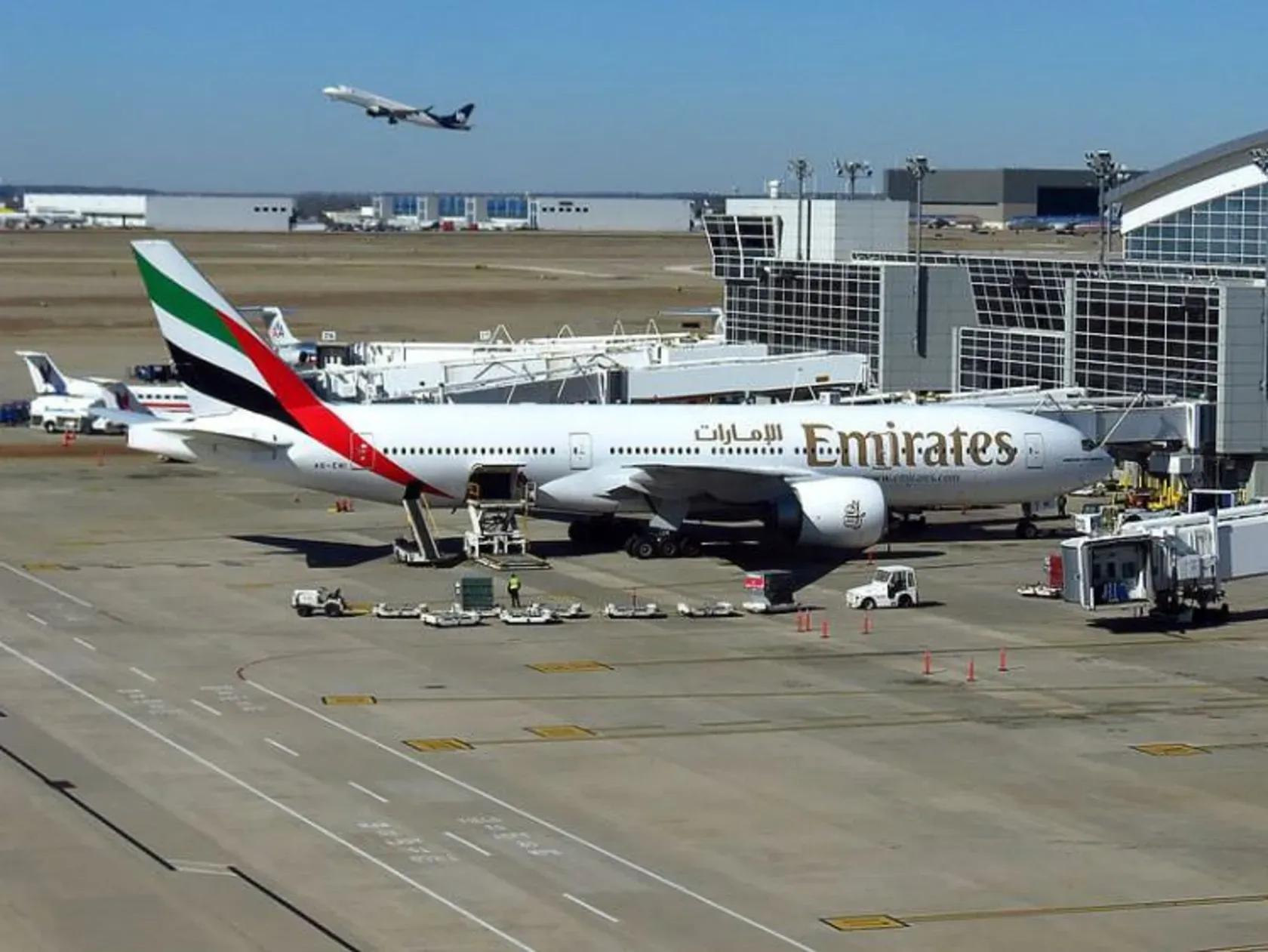
UAE Accuses Iran of Missile And Drone Barrage That Injured Three Indians at Fujairah
Key Takeaways
- UAE intercepted missiles and drones from Iran, injuring three Indian nationals at Fujairah.
- Fire erupted at Fujairah Oil Industry Zone after Iran's drone strike.
- UAE condemns the attack as dangerous escalation and reserves right to respond.
UAE says Iran hit Fujairah
The United Arab Emirates accused Iran of launching a missile and drone barrage that set off a “large fire” at the Fujairah Petroleum Industries Zone and injured three Indian nationals, as Gulf tensions rose sharply after the UAE said it intercepted 15 missiles and four drones fired from Iran on Monday.
The UAE’s defence ministry said it intercepted 15 missiles and four drones launched from Iran, and the attack marked “the first such attack on the Emirates sinceIran and the United Statesagreed to a ceasefire on 8 April.”

The UAE said one drone strike sparked a large fire at the Fujairah Petroleum Industries Zone, wounding three Indian nationals, and another attack targeted an empty crude oil tanker belonging to the UAE’s national oil firm as it transited the Strait of Hormuz.
The UAE’s Ministry of Defence said its air defence systems responded to multiple threats during the day and that it “engaged” 12 ballistic missiles, three cruise missiles and four drones launched from Iran.
The UAE foreign ministry condemned the strikes as “a dangerous escalation and an unacceptable transgression, posing a direct threat to the state's security, stability, and the safety of its territories,” and said it “reserves its full and legitimate right to respond to these attacks.”
Iran denied involvement, with state broadcaster Islamic Republic of Iran Broadcasting quoting a military source saying Iran had “no pre-planned programme to attack the mentioned oil facilities.”
The New Arab also reported that Tehran said it had “no pre-planned programme” to target oil facilities in the region, while an Iranian military official told state television that “military adventurism” was to blame.
Ceasefire and escort plan
The attacks were described as the first time the UAE had been targeted since Iran and the United States agreed to a ceasefire on April 8, with multiple outlets linking the new violence to rising Gulf tensions and efforts to manage shipping through the Strait of Hormuz.
The New Arab said the UAE’s defence ministry described the Monday barrage as “marking the first such attack on the Emirates sinceIran and the United Statesagreed to a ceasefire on 8 April,” and it framed the incident as part of “Tensions are rising sharply in the Gulf.”

MyIndMakers added that the escalation came “at the time of rising tensions in the region” and said it followed “a new initiative by US President Donald Trump to escort stranded oil tankers through the Strait of Hormuz.”
MyIndMakers also reported that Iran’s unified military command issued a warning to commercial vessels against accepting the US offer, stating that American forces “will be attacked if they intend to approach and enter the Strait of Hormuz.”
The same outlet said the situation developed after Iranian media reported that the Islamic Revolutionary Guard Corps had stopped US warships from entering the Strait of Hormuz “with a firm and swift warning,” while the Fars News Agency later claimed “two missiles struck a US frigate near the Iranian island of Jask,” a claim the US military denied.
BBC described the broader backdrop as the Strait of Hormuz being “largely blocked since the US and Israel launched air strikes on Iran in February,” and it said the US and Iran announced a ceasefire in early April under which Iran ended drone and missile strikes on Gulf countries including the UAE.
BBC also reported that Trump said the US had struck seven Iranian “fast boats” and that Iran’s Foreign Minister Abbas Araghchi said events in the strait “make clear that there's no military solution to a political crisis,” adding, “Project Freedom is Project Deadlock.”
In the same BBC account, Maersk said one of its US-flagged vessels exited the strait “under US military protection,” and it said the transit was “completed without incident, and all crew members are safe and unharmed.”
Condemnations and competing claims
As the UAE described the Monday barrage as a “dangerous escalation,” governments across the region and beyond issued condemnations while Iran and the US traded denials and counterclaims about attacks in the Strait of Hormuz.
Al Jazeera reported that Saudi Arabia said it condemned and denounced “in the strongest terms” the Iranian targeting of civilian and economic facilities in the UAE and a vessel belonging to an Emirati company, and it quoted Saudi Arabia calling for Iran “to cease these attacks.”
Al Jazeera also said Qatar described the strikes as a “blatant violation of the UAE’s sovereignty and a serious threat to the security and stability of the region,” while Kuwait’s ministry condemned Iran’s “reprehensible aggression” and said it deployed drones in a “direct threat to maritime navigation in the Strait of Hormuz.”
Bahrain’s foreign ministry, according to Al Jazeera, denounced “the “Iranian terrorist attacks” and said it considered the strikes “a dangerous escalation that threatens the security and stability of the region,” and it expressed support for the UAE in any retaliatory measures it takes.
Jordanian Minister of Foreign Affairs Ayman Safadi spoke with his Emirati counterpart Abdullah bin Zayed Al Nahyan and condemned “the renewed Iranian attacks on the UAE,” reiterating Jordan’s “absolute solidarity” with the UAE and describing the strikes as “a dangerous escalation and a threat to the UAE’s security, stability, territorial integrity and the safety of its citizens and residents.”
At the same time, Iran denied the UAE’s accusations and blamed “US military adventurism,” with MyIndMakers quoting the Iranian source saying “the US military must be held accountable for this.”
BBC described the US and Iran trading claims in the strait, saying Trump told reporters: “We've shot down seven small boats or, as they like to call them, 'fast' boats,” while Iranian state media later disputed the announcement and Tasnim reported that “two small cargo vessels had been hit instead, killing five civilians.”
BBC also said Iran called the claims “entirely false,” with its military saying it fired warning shots at a US warship, and the US military denied this.
India and European reactions
The injuries to three Indian nationals at Fujairah drew direct condemnation from India’s government, while European leaders and institutions also weighed in on the UAE’s account of the strikes.
NDTV reported that India’s Foreign Affairs Ministry called the attack on the Fujairah Petroleum Industries Zone “unacceptable,” quoting Ministry spokesperson Randhir Jaiswal saying: “The attack on Fujairah that resulted in injury to three Indian nationals is unacceptable. We call for immediate cessation of these hostilities and the targeting of civilian infrastructure and innocent civilians.”

NDTV also said Prime Minister Narendra Modi condemned the attack, writing: “Strongly condemn the attacks on the UAE that resulted in injuries to three Indian nationals. Targeting civilians and infrastructure is unacceptable,” and it added that India “stands in firm solidarity with the UAE.”
In parallel, Al Jazeera described the UAE’s account that one drone attack set off a “large” fire at the Fujairah Petroleum Industries Zone and wounded three Indian nationals, and it said Iran denied the UAE’s accusations while state broadcaster carried a statement blaming “US military adventurism.”
The New Arab reported that European Commission President Ursula von der Leyen said the attacks constituted “a clear violation of sovereignty and international law” and called them “unacceptable,” while also saying “security in the Gulf region has direct consequences for Europe.”
The New Arab also reported that UK Prime Minister Keir Starmer urged Iran to “engage meaningfully in negotiations to ensure the ceasefire in the Middle East endures,” and that French President Emmanuel Macron said Paris would “continue to support its allies in the Emirates and in the region for the defence of their territory.”
BBC added that German Chancellor Friedrich Merz called for an end to the blockade of the strait, saying “Tehran must return to the negotiating table and stop holding the region and the world hostage.”
Across these responses, the sources repeatedly tied condemnation to sovereignty, civilian infrastructure, and navigation through the Strait of Hormuz.
What comes next in the strait
The sources portray the immediate next phase as a contest over maritime access and the durability of the April 8 ceasefire, with multiple outlets describing warnings, denials, and operational steps around the Strait of Hormuz.
“Major fire erupts at UAE oil facility after drone strike from Iran Blaze erupted at Fujairah oil complex after UAV attack from Iran, 3 people injured, transferred to hospital, authorities say Mohammad Sıo 04 May 2026•Update: 04 May 2026 İstanbul UAE condemns attack as ‘dangerous escalation,’ vows right to respond A major fire broke out at an oil facility in the Fujairah emirate of the UAE on Monday after it was struck by a drone launched from Iran, authorities said”
MyIndMakers said the escalation came as Trump sought to escort stranded oil tankers through the strait and noted that Iran’s unified military command warned that American forces “will be attacked if they intend to approach and enter the Strait of Hormuz,” while it also said talks between Iran and the US “have remained stalled since the ceasefire began.”

It further reported that the ceasefire was reached through mediation by Pakistan and followed by direct talks in Islamabad on April 11, but that those discussions “did not lead to a lasting agreement,” and it said Trump later extended the truce without setting a deadline after a request from Pakistan.
BBC framed the operational picture by saying Trump announced “Project Freedom” to guide stranded ships out of the Gulf through the largely closed waterway, while Maersk said one vessel’s transit was “completed without incident, and all crew members are safe and unharmed.”
BBC also included Iran’s Foreign Minister Abbas Araghchi saying “Project Freedom is Project Deadlock,” and it reported that the US military said it destroyed Iranian “fast boats” while Iran denied the US claims and said it fired warning shots at a US warship.
The New Arab described the UAE’s position that it “reserves its full and legitimate right to respond to these attacks,” and it reported that Tehran said it had “no pre-planned programme” to target oil facilities, while an Iranian official blamed “military adventurism.”
In the same New Arab account, the Gulf Cooperation Council denounced the attack on the Emirati oil tanker and Jassim Mohammed Al Badawi warned that continued incidents threaten regional stability and security, while Saudi Arabia said it was “concerned about the current military escalation in the region” and stressed “the necessity of de-escalation, restraint, and avoiding further escalation.”
NDTV and India’s statements added a diplomatic pressure point, with Randhir Jaiswal calling for “immediate cessation of these hostilities” and urging “free and unimpeded navigation and commerce through theStrait of Hormuzin keeping with international law.”
More on Iran
US Intelligence Says Strikes on Iran Have Not Slowed Nuclear Weapon Timeline
14 sources compared
Iran Foreign Minister Abbas Araghchi Travels to Beijing for Talks With China
13 sources compared

U.S. Sinks 7 Iranian Boats as Iran Launches Missiles and Drones at UAE
10 sources compared
U.S. Launches Project Freedom to Reopen Strait of Hormuz After Iran Attacks UAE
21 sources compared