Full story
Bridges, ports, and escalation
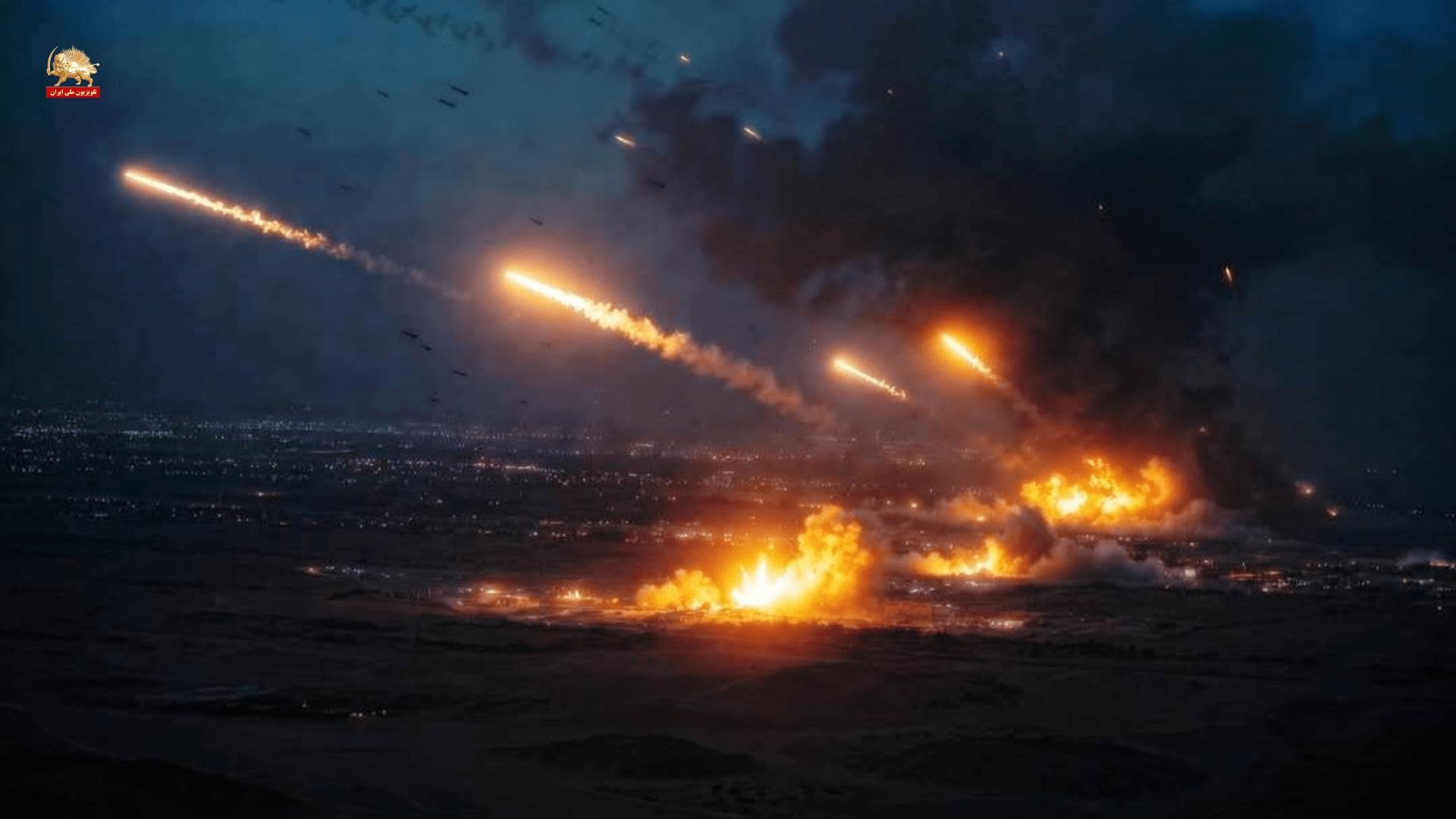
The United States struck bridges in Iran and Tehran responded by hitting a power and desalination plant in Kuwait on Friday, as the two sides expanded targets to include infrastructure and risked further escalation of the Iran war.
“In short: The US has struck bridges in Iran and Tehran has responded by hitting a power and desalination plant in Kuwait”
The US said it resumed attacks on Iran for the seventh consecutive night with strikes at 10:30pm on Friday, Tehran time, and US Marines boarded a tanker near the Strait of Hormuz while Iranian media reported the Islamic Revolutionary Guard Corps navy had "targeted" a Thai-flagged ship trying to transit the strait.
Iran’s state television quoted the IRGC as saying that until US "aggression" came to an end, it would not be possible to export chemical fertilisers or even a "single drop of oil and gas" from the region.
At sea, Iranian media reported that two oil tankers exploded and caught fire after passing through a mined route south of the strait, and armed men seized another vessel off Yemen, raising concern about security at the mouth of the Red Sea.
Competing claims and warnings
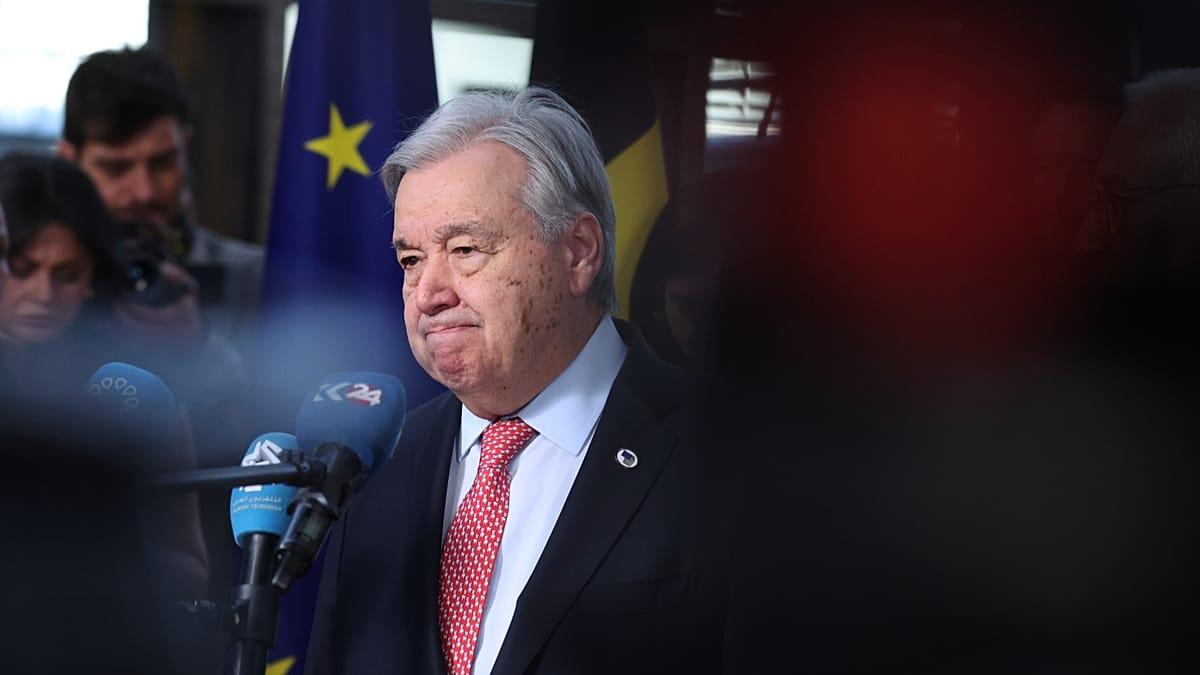
UN Secretary-General António Guterres was concerned about escalation, particularly over "attacks on civilian infrastructure in Iran and across the region", his spokesperson said, while the US military’s Central Command said its targets included "military logistics infrastructure".
Mohsen Rezaei, an adviser to Iran's supreme leader, warned on Friday that "If US strikes continue for several more days, we will move into a phase of full-scale offensive operations," telling state television.
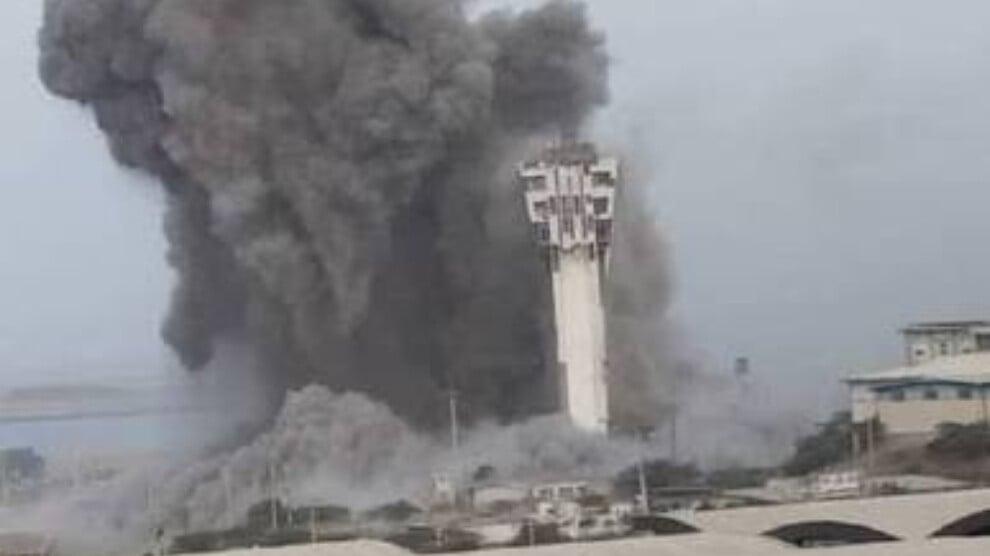
The BBC reported that a White House spokesperson told it the US had "carried out strikes exclusively on military targets, including military logistics infrastructure," after BBC Verify confirmed an attack on a bridge in Hormozgan province.
The BBC also quoted UN human rights chief Volker Türk saying "Deliberately attacking civilians and civilian infrastructure is a war crime," as the US and Iran traded accusations about whether bridges, a train station, and an airport were hit in the latest wave of strikes.
What’s at stake next
The renewed conflict has again cut off energy supplies from the Gulf, and the ABC News & Headlines report said the attacks risked provoking Iran to escalate by hitting the vital infrastructure of vulnerable Gulf states or by having its allies in Yemen disrupt global energy supplies by attacking shipping from the Red Sea.
“US hits more bridges in Iran in an expansion of its airstrike campaign US hits more bridges in Iran in an expansion of its airstrike campaign DUBAI, United Arab Emirates (AP) — The United States expanded its airstrike campaign against Iran early Friday by increasingly hitting bridges, part of U”
The Guardian said the US president’s threats and the expansion of infrastructure targeting have put European retailers and supply-chain oversight under scrutiny, after a fire at a factory supplied by European brands killed at least 33 garment workers in Bangladesh, linking the broader theme of infrastructure and accountability to corporate compliance debates.
In the Strait of Hormuz, the BBC said the waterway has remained shut, and it cited Fatih Birol warning: "We should be worried, and I am worried, if the situation does not improve in the next few weeks."
The NPR report described how the U.S. reinstated a military blockade on ships entering or exiting Iranian ports earlier this week, and it said the U.S. military has "redirected" three vessels trying to run the blockade and struck and disabled an oil tanker that disobeyed orders.