
U.S. Strikes Damage Bemani Water Tanks Near Strait of Hormuz, Experts Say War Crime
Key Takeaways
- US airstrikes damaged two Bemani/Bamani area drinking-water tanks, cutting water access for about 20,000 residents.
- Experts and outlets describe potential war crime implications from targeting civilian water infrastructure.
- The incident is part of broader U.S. strikes rising regional escalation concerns.
Bemani water tanks hit
Military strikes damaged two water storage facilities in southern Iran, with the Guardian describing a 10 June strike on Bemani, a small district about 2 miles from the strait of Hormuz.
“Iran has announced that the Strait of Hormuz has been completely closed to all oil tankers and commercial ships in response to recent US strikes on the country, and stated any vessel attempting to pass would be shot at”
The Guardian said it was unclear whether the strikes deliberately targeted the district’s water tanks or unintentionally destroyed a key reservoir for about 20,000 people living nearby, and it quoted Brian Finucane saying, “It’s either a military objective or it’s a civilian object: attacking one is lawful, attacking the other is a war crime.”
The Guardian reported Iran’s state broadcaster said the strikes were carried out by the US military, while the Guardian also quoted Tim Hawkins, a spokesperson for US Central Command (Centcom), saying, “We are aware of reports and are looking into it.”
The Guardian added that the Bemani water-tank destruction occurred shortly after Centcom announced strikes on “Iranian air defense, ground control stations, and surveillance radar sites near the Strait of Hormuz” by US air force and navy fighter jets.
Hormuz closure and retaliation
In response to US strikes, Iran announced the Strait of Hormuz was completely closed to all oil tankers and commercial ships and said any vessel attempting to pass would be shot at, according to Al Jazeera.
Al Jazeera said the closure was ordered early on Thursday in response to US strikes that had continued for several days, and it reported that the US described the strikes as “self-defense” and said they were “a proportional response to recent attacks on US forces and international commercial ships transiting regional waters.”

Al Jazeera reported that Iran’s Islamic Revolutionary Guard Corps (IRGC) responded to Tuesday’s US strikes by launching a drone attack on the US Fifth Fleet in Bahrain, and it said the IRGC also announced that its Aerospace Force had launched long-range, solid-fuel missiles at an airbase in Jordan.
The article also quoted a warning from the IRGC that heavier retaliatory measures would follow if the US military “aggression” continued, and it said US Defense Secretary Pete Hegseth confirmed Washington was launching new strikes on “key facilities” in Iran.
War-crime claims and legal steps
Iran’s Foreign Ministry spokesperson Esmaeil Baghaei said the US attack in Sirik, Hormozgan destroyed two reservoirs with a combined capacity of 2,500 cubic meters and that the facilities supplied drinking water to more than 20,000 residents across ten villages, according to اسلام تايمز.
“Democrats in Congress are stepping up pressure on the Trump administration by introducing articles of impeachment against Defense Secretary Beit Higsyth, accusing him of violating the Law of Armed Conflict and endangering American troops, while the Republican majority downplays the chances of the proceedings”
Baghaei asserted the strike was not “collateral damage” but a “calculated war crime and a flagrant violation of human rights and international humanitarian law,” and he demanded the United States “must be held accountable for committing such systematic brutal attacks on civilian life-sustaining infrastructure.”
PressTV said Iran announced it would pursue legal action in domestic and international judicial bodies after a US airstrike destroyed two drinking water reservoirs in Hormozgan, and it quoted Trump vowing to intensify military aggression while warning that water supplies could be among the targets.
PressTV also reported that Mojtaba Qahramani, head of the Hormozgan provincial judiciary, announced legal action would be pursued in both domestic and international judicial bodies and cited Article 52 and Article 54 of the 1977 First Additional Protocol to the Geneva Conventions.
More on Iran
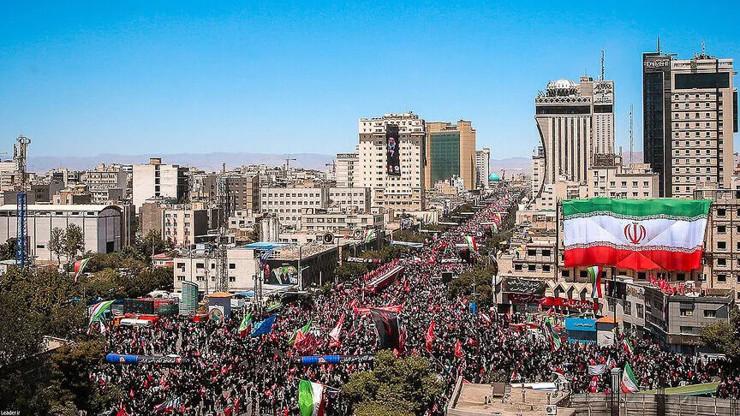
Israeli Strike Kills Ayatollah Ali Khamenei, Buried at Imam Reza Shrine in Mashhad
19 sources compared
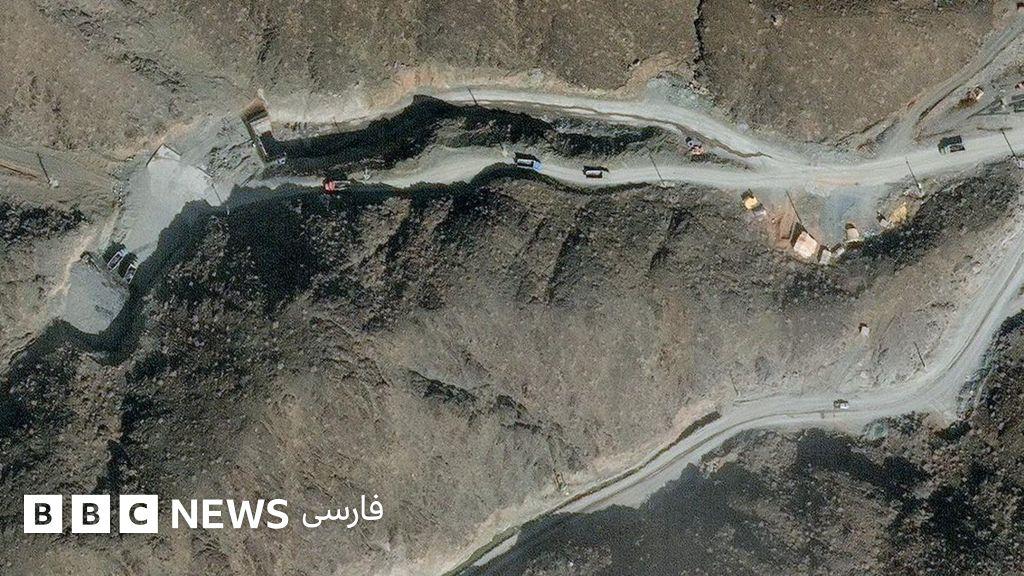
Iran Attempts To Restore Nuclear Sites Damaged In US And Israel Strikes, CNN Satellite Images Show
15 sources compared
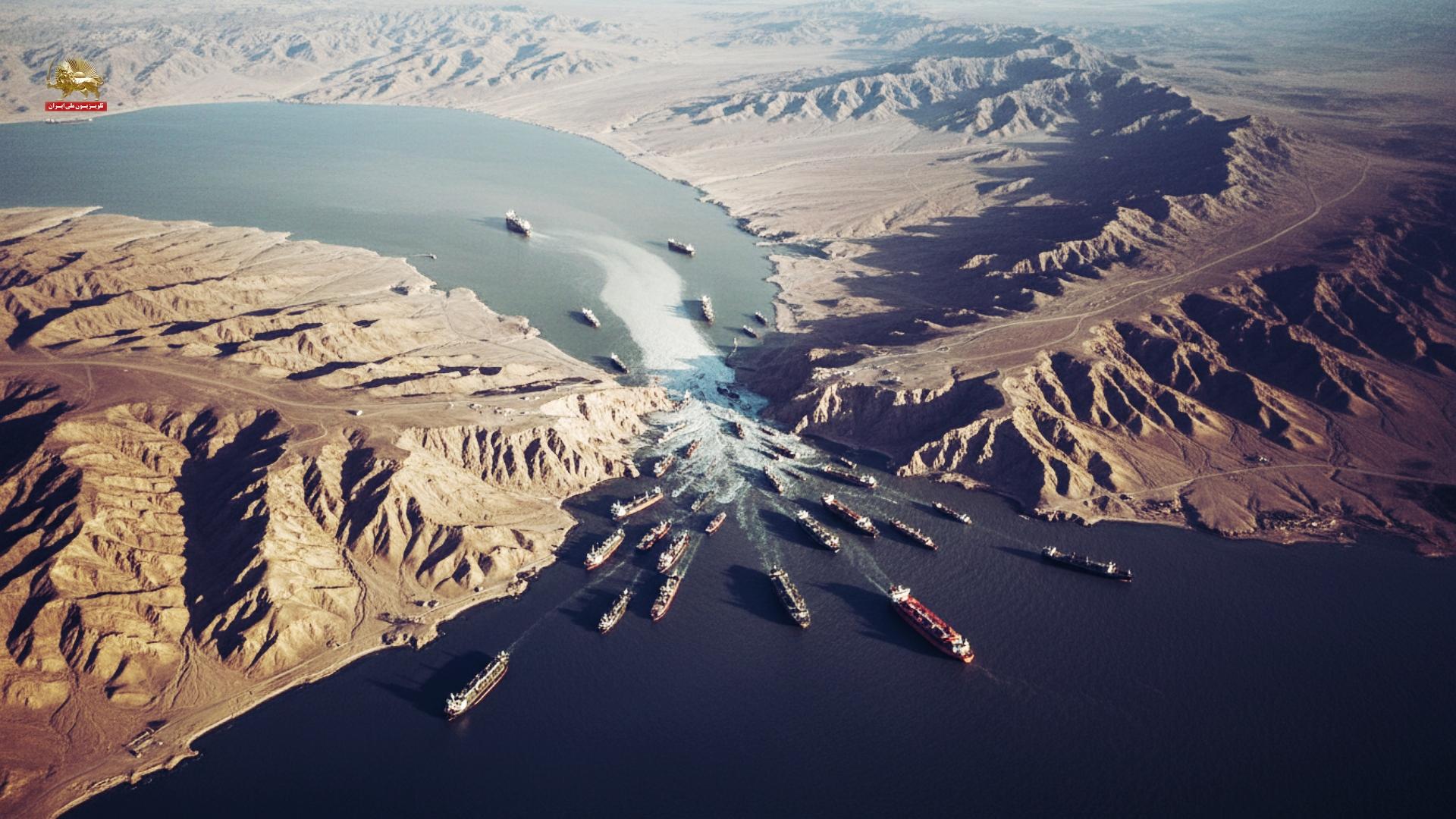
Abbas Araghchi and Prince Faisal Bin Farhan Discuss Regional Developments After US Attacks
11 sources compared

Trump Says U.S. Agreed to Continue Iran Talks, Ceasefire Is Over
19 sources compared