Full story
Jordan strike, U.S. response
A U.S. service member was killed in action in Iraq on July 18, bringing the death toll among U.S. service members in the war with Iran to 17, U.S. Central Command said Sunday.
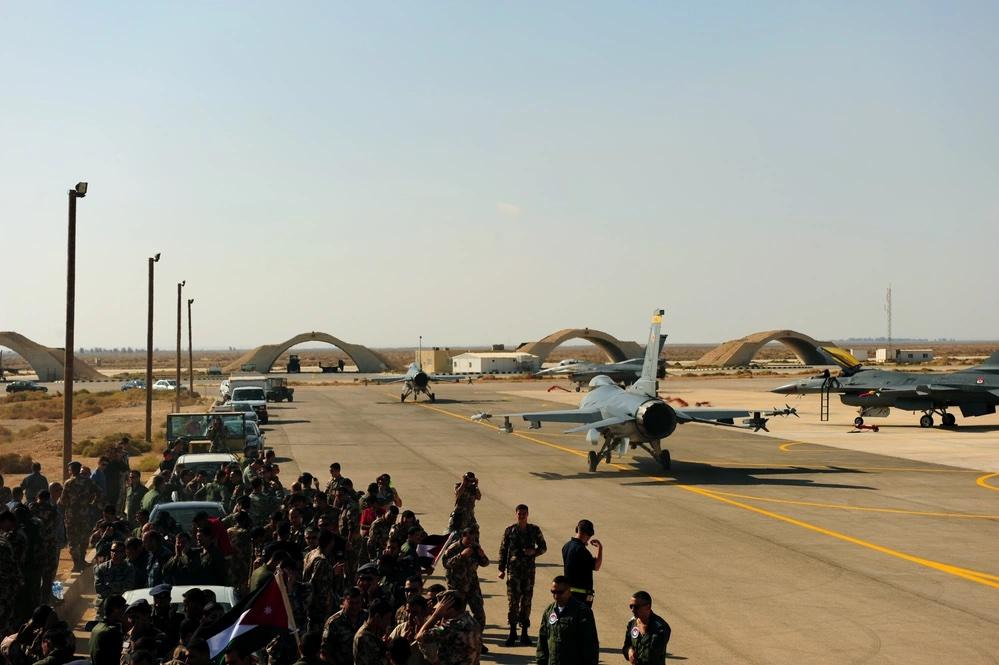
“Two American service members were killed, and a third is missing after Iranian ballistic missiles and drones struck an air base in Jordan used by U”
The CBS News account tied the July 18 death to a “controlled detonation of unexploded ordnance from a downed Iranian one-way attack drone,” and said another service member was wounded and received medical treatment for a minor injury.
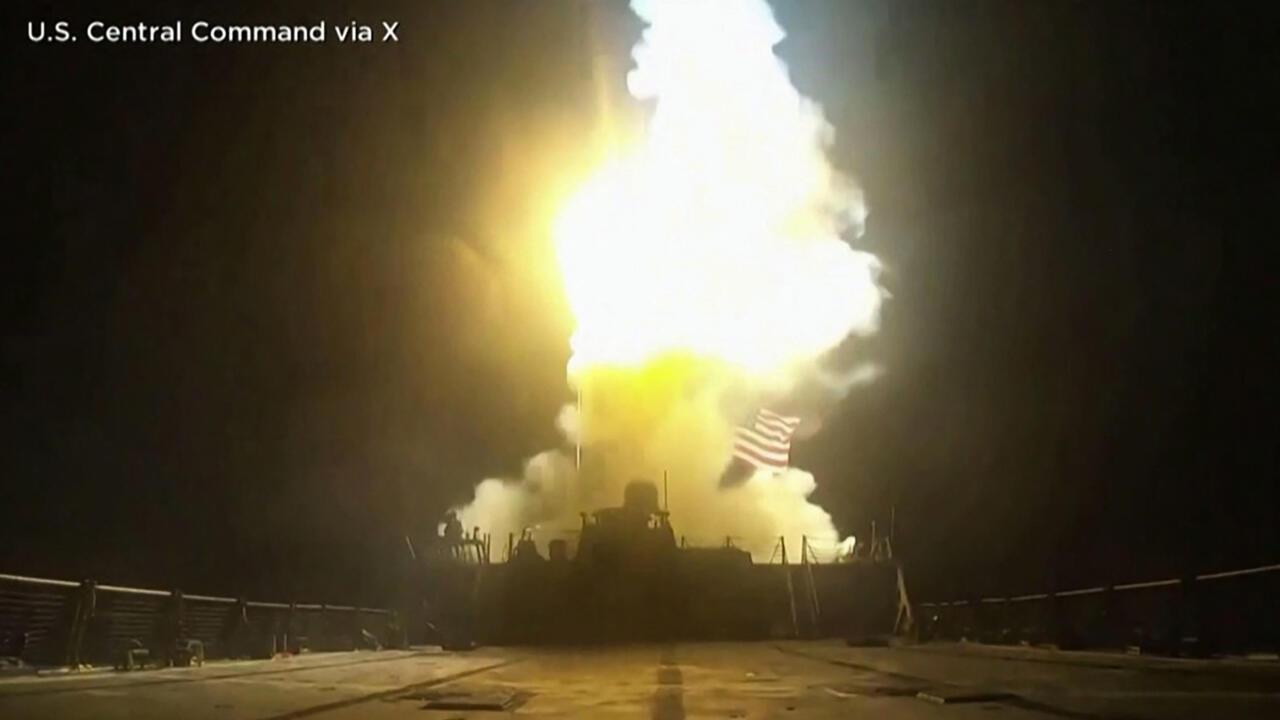
The same exchange of strikes continued as the U.S. conducted an eighth straight night of strikes on Iran at the direction of President Trump, U.S. Central Command said Saturday.
In parallel, the BBC said the U.S. soldier was killed after an Iranian attack in northern Iraq on Saturday, a day after an attack on a base in Jordan killed two U.S. soldiers and left another missing.
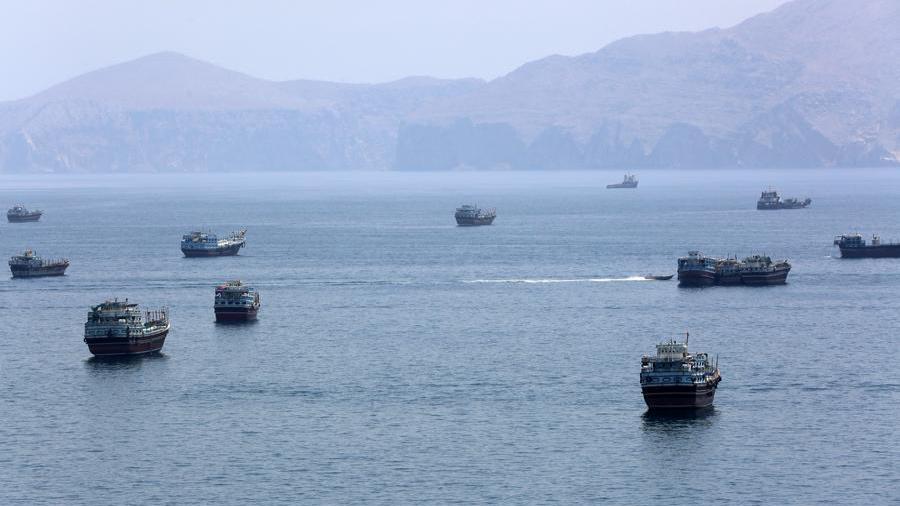
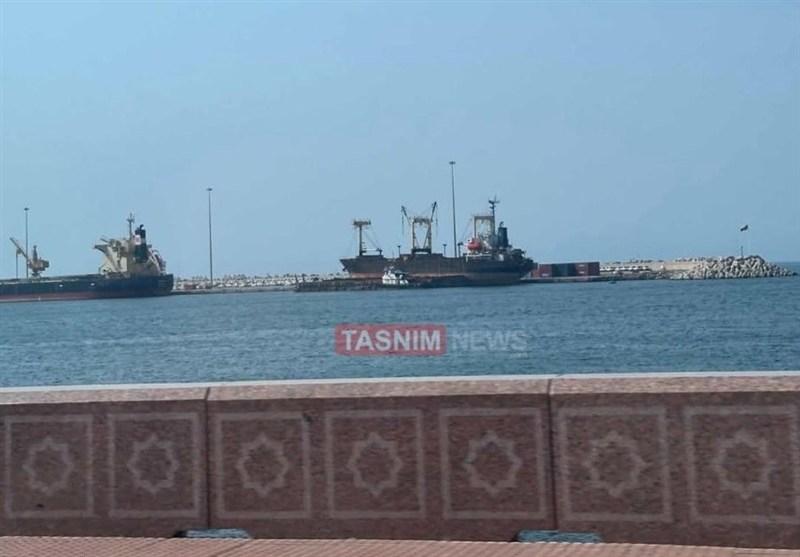
The BBC also reported that the U.S. and Iran exchanged strikes for an eighth day, with Washington reimposing its blockade of Iranian ports and Tehran declaring the Strait of Hormuz closed.
Voices trade accusations
Iran’s Supreme Leader Mojtaba Khamenei attacked President Trump’s credibility in a written statement, saying America’s “repeated breaches” of a temporary ceasefire had “laid bare a fundamental truth: the signature of the US president is utterly worthless and devoid of credibility.”
The BBC framed the U.S. response as designed to “swiftly punish” the Islamic Revolutionary Guard Corps (IRGC) forces it said were responsible for the attack in Jordan, while also saying the latest attacks were designed to “degrade Iran's ability to threaten commercial shipping” in the strait.

In a televised interview, Iran’s foreign minister Araghchi said the region did not believe Iran would strike across the entire region and that “This was a major development that occurred and transformed the region's security structure,” according to Press TV.
Araghchi rejected claims that negotiations laid groundwork for the war, saying “It was not my decision. There was a decision on the other side to achieve certain goals regarding Iran,” and added that when adversaries saw they could not achieve their objective through negotiations, “they started the war.”
The BBC also reported that Jordan summoned Iran's charges d'affaires in Amman to demand an immediate end to what the foreign ministry called “unjustified and blatant Iranian attacks,” insisting that its security was “a red line that cannot be crossed.”
Escalation risks widen
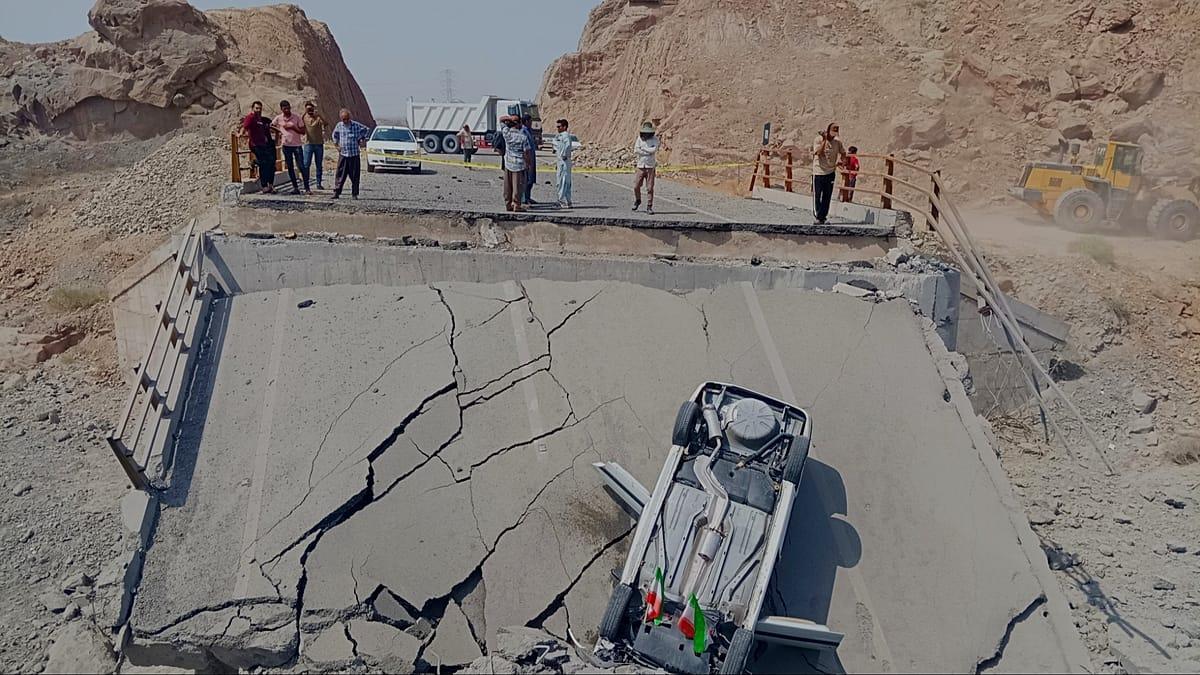
The BBC said in Iran, at least 50 people have been killed and more than 500 injured in U.S. strikes over the past three weeks, as Iranian media reported an under-construction nuclear power plant in the south-western city of Darkhoveyn was struck overnight.
“US soldier killed and one injured after Iranian attack in Iraq The US military says a service member was killed after an Iranian attack in northern Iraq on Saturday, a day after an attack on a base in Jordan killed two US soldiers and left another missing”
The BBC added that the UN’s nuclear watchdog called for restraint while noting the site was “in the very early stages” and contained no nuclear material during its last visit, and it said the IAEA head Rafael Grossi stated on X that no nuclear material had been stored at the site and the incident was “not believed to pose any radiological risk.”
In the region, the BBC reported that Jordanian forces intercepted three Iranian missiles and a fourth fell in a remote area, and it said Israel’s military described interceptors launched toward missile debris near Eilat with no damage or injuries reported.
The CBS News account said the U.S. specifically targeted Iranian Revolutionary Guard forces believed to have launched on a Jordanian military base that killed at least two U.S. soldiers, and it noted a third U.S. service member was missing in action following Iran's attack.
As the conflict entered its second week of U.S. strikes, the BBC said Washington reimposed its blockade of Iranian ports and Tehran declared the Strait of Hormuz closed, while the U.S. military said its operations aimed to undermine Iran’s ability to threaten commercial shipping in the strait.