Iran11 July, 20263 min read
U.S. Strikes Iran Again, Nearly Halting Tanker Traffic Through Strait of Hormuz
U.S. launched airstrikes on Iran; Washington reimposed crude oil sanctions. Strait of Hormuz traffic slowed to near-halt levels amid renewed clashes.
BBC was read line by line by the Watchdog: 5.4. See the score →
Traffic nearly halts
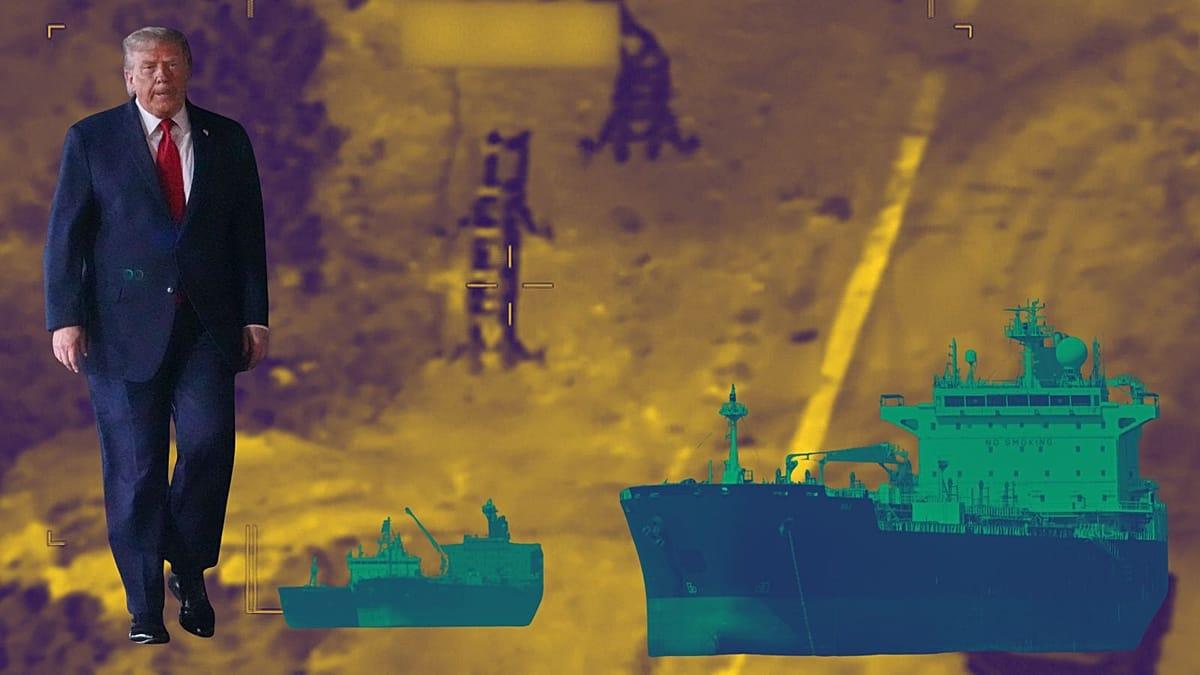
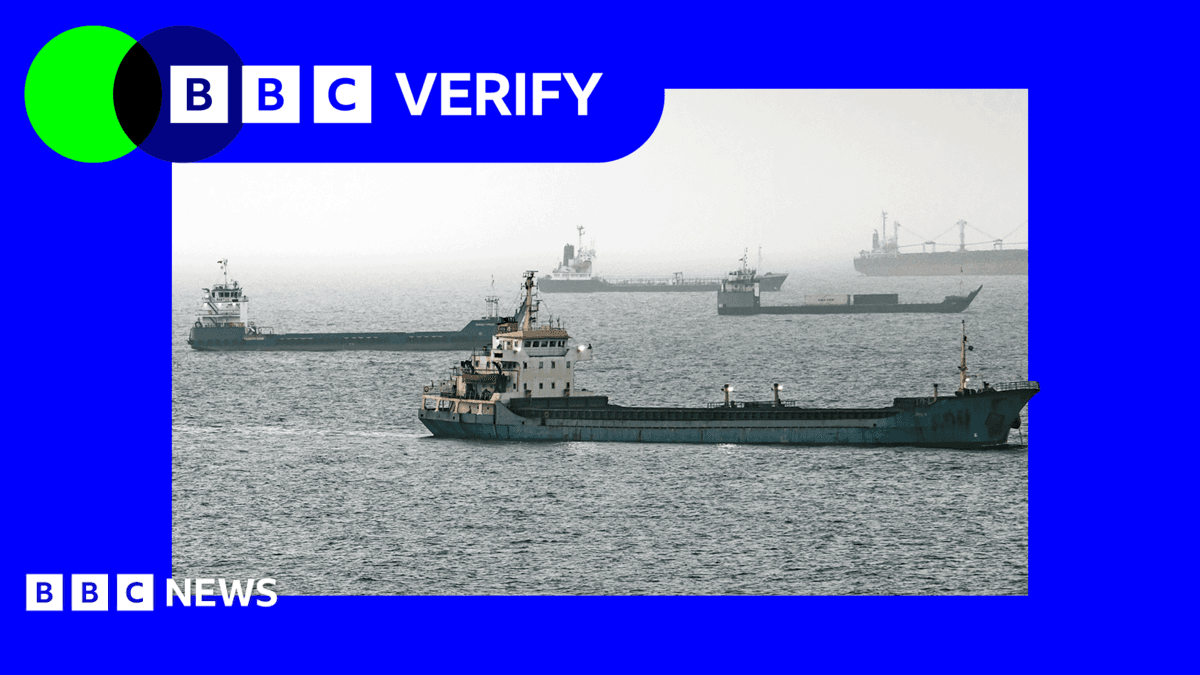
Oil tanker traffic through the Strait of Hormuz slowed sharply after renewed U.S. and Iranian strikes, with Bloomberg reporting on Thursday that ship traffic had nearly stopped and that observable movements were concentrated along a route approved by Iran near the northern part of the waterway. Free Malaysia Today said flows through the strategic waterway had reached their highest levels since the start of the war after a truce was agreed in mid-June, but the recovery stalled with just six commodity tankers crossing so far on Thursday and 21 such vessels transiting on Wednesday, according to Kpler data as of 2.30pm. Insurance Journal reported that traffic came to a near standstill after the U.S. struck Iran for a second straight day, leaving a fragile truce looking increasingly shaky, and said a small number of vessels signaled their transit along the Iran-controlled route while the US-supported Omani corridor was empty of observable traffic.
CNBC said thirteen tankers crossed Hormuz on Wednesday compared with an average of 33 per day over the previous week, and that only five commercial ships crossed Hormuz Wednesday overnight into Thursday, according to Windward data. The same CNBC report said President Donald Trump declared the ceasefire with Iran was over after Tehran attacked three tankers transiting Hormuz earlier this week, and that the U.S. launched two rounds of airstrikes against Iran and reimposed oil sanctions in retaliation.
Competing claims and quotes
CENTCOM, in a “fact check” posted on X, insisted Iran “does not control the Strait of Hormuz,” adding that “Since early May, U.S. forces have helped facilitate the successful transit of more than 800 commercial vessels and 380 million barrels of crude oil.” Free Malaysia Today said some ships crossing since Wednesday switched off their transponders or used the northern Iranian route that requires Iranian approval to transit, while the southern Omani route has been largely avoided since Wednesday. The Council on Foreign Relations described Trump’s view of the agreement as unraveling, quoting Trump: “To me, I think it’s over,” and later quoting him saying, “We hit them [Iran] very hard last night.”
In parallel, the Council on Foreign Relations said the collapse of the sixty-day MOU would deal a severe blow to efforts to restore normal shipping through the waterway, and it framed the MOU as a Hormuz deal in which the United States agreed to provide sanctions relief in exchange for safe passage. Crude Oil Prices Today quoted Trump calling the Iranian leadership “scum”, “liars”, and “cheats” as he declared the ceasefire over and said the U.S. and Iran began firing missiles again.
What comes next
Free Malaysia Today reported that the International Maritime Organization’s head, Arsenio Dominguez, urged shipowners and operators on Wednesday to avoid exposing 6,000 seafarers still stranded in the Gulf to unnecessary danger by transiting the strait. It also said Lloyd’s List editor-in-chief Richard Meade told readers, “A tentative 60-day agreement with few guarantees was never really going to change the dial much in terms of shipping decisions,” as some tankers reversed course while trying to exit the strait. Insurance Journal added that London marine insurers reported fewer inquiries for journeys to transit the strait and that the cost of cover had risen, signaling caution from shipowners as the U.S. and Iran exchange attacks.
CNBC said oil prices rallied more than 6% this week as investors worried crude exports through Hormuz could plunge again, and it reported that Windward analysts told clients the “collapse of the ceasefire framework” and “reimposition of Iranian oil sanctions” represented the most significant escalation since the conflict’s opening phase. Radio Free Europe/Radio Liberty also reported that Iran’s Foreign Minister Abbas Araqchi discussed the Strait of Hormuz in calls with Oman and Turkey, while the Foreign Ministry in Tehran said Araqchi warned Pakistan against further U.S. military “adventurism” and condemned U.S. strikes on Iran as a violation of the Islamabad memorandum of understanding.