Full story
Strikes and retaliation
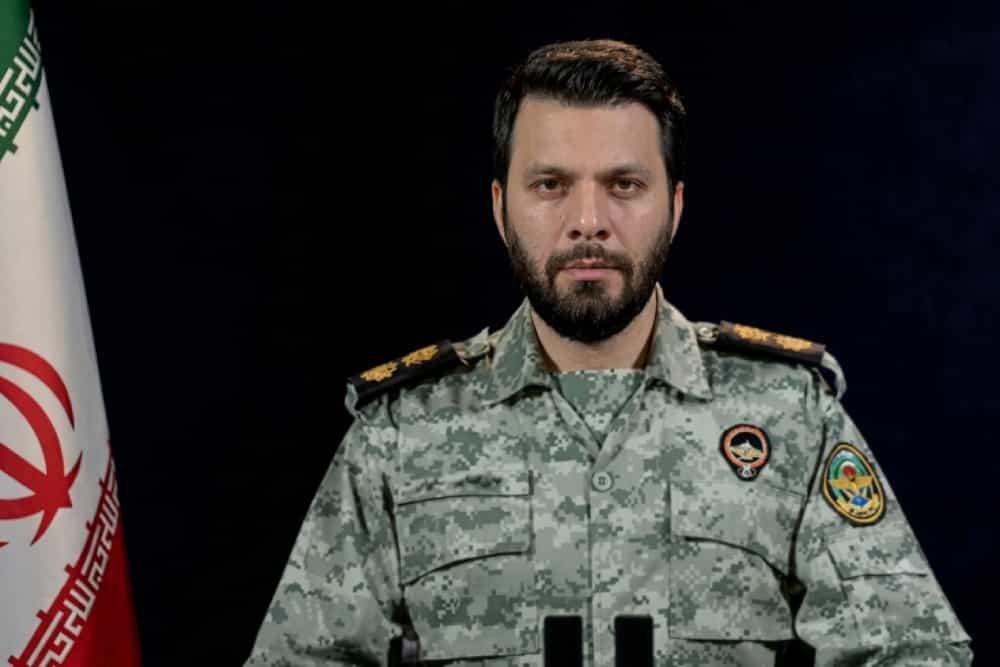
The United States launched another wave of strikes on Iran, with US Central Command (CENTCOM) saying it concluded an evening wave at 9pm ET on Wednesday and targeted “Iranian command centres, air defence sites, missile and drone capabilities, and coastal surveillance facilities” to reduce Iran’s ability to disrupt shipping through the Strait of Hormuz.
CENTCOM said the 90-minute operation targeted the southern port city of Bandar Abbas and coastal defence and cruise missile sites on Greater Tunb island, while Iranian air defences were activated over Tehran and explosions were reported in Bandar Abbas and on nearby Qeshm island.

Iran said it retaliated with missile and drone attacks against US military assets in Kuwait, Bahrain and Jordan, and Iranian authorities said there were no casualties in Pakdasht or at the Parchin military complex near Tehran.
The BBC reported that Tehran launched fresh attacks on US military bases in neighbouring Gulf states while Washington continued to strike sites across Iran overnight, and it said the US military inflicted a six-hour wave of strikes in multiple locations to "degrade Iran's ability to threaten innocent mariners" in the Strait of Hormuz.
Officials trade threats
US President Donald Trump warned Iran it had "better behave" or face further military action if it did not return to negotiations, and the BBC said Trump also threatened to target Iran's energy infrastructure if Tehran failed to return to talks.
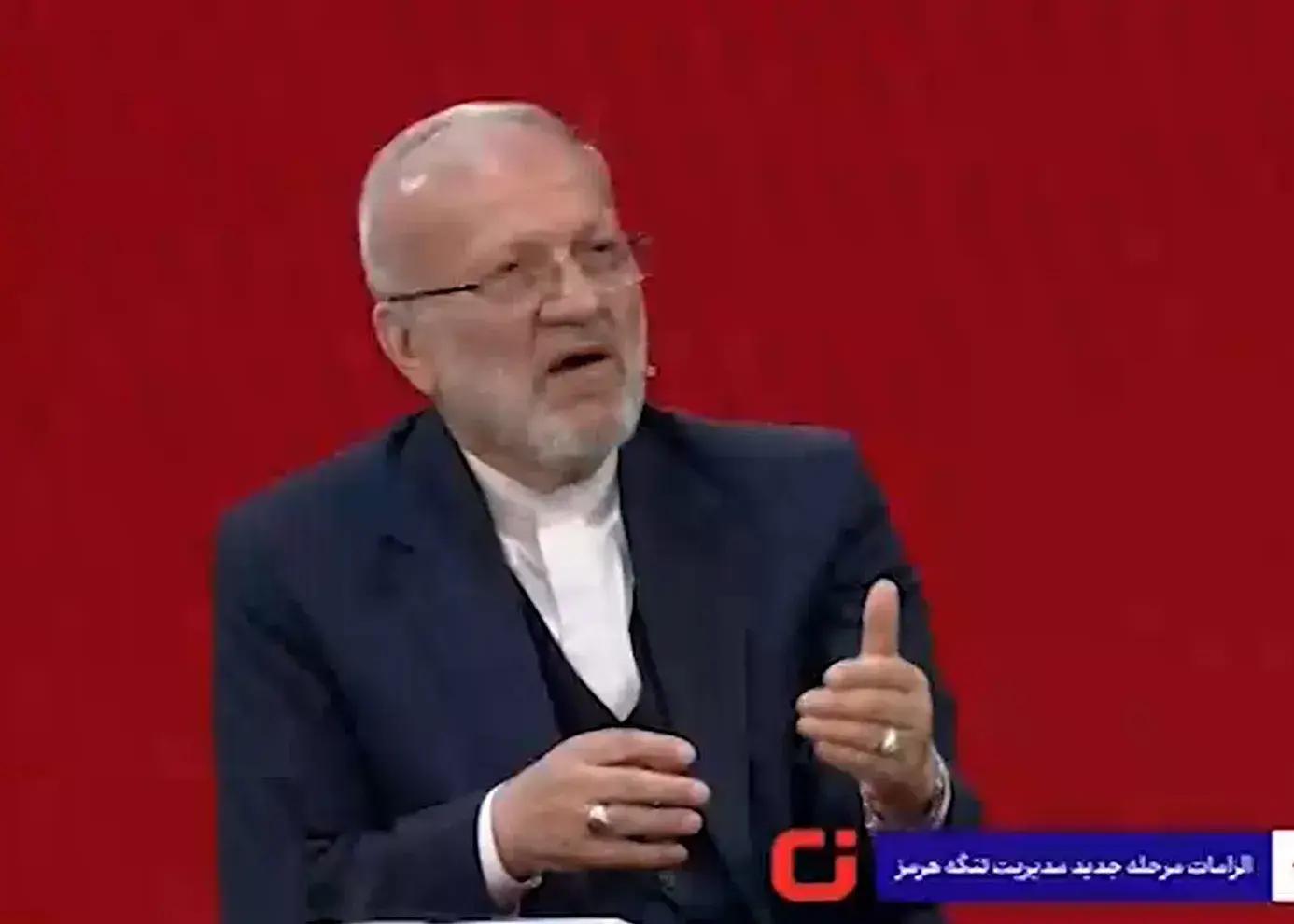
Iran’s top negotiator Mohammad Bagher Ghalibaf told state media Tehran had "no reason" to abide by any agreement that did not benefit the country, and he added that Iran's national security depended on maintaining what he described as "Iranian arrangements" in the Strait of Hormuz.

In Washington, White House press secretary Karoline Leavitt said the president was "not going to sit by and allow these acts of terrorism to take place in the strait without ensuring Iran pays consequences."
In Jordan, Foreign Minister Ayman Safadi told the Aspen Security Forum that there are no American bases in his country, saying the Iranian narrative about American bases in Jordan is false, and he said Jordan is not part of the conflict while denouncing Iranian attacks on Jordan and Gulf states.
Blockade and regional stakes
The BBC said the Strait of Hormuz remains closed as the dispute continues, and it reported that on Tuesday the US resumed a blockade on Iranian ports that had been lifted as part of a memorandum of understanding.
CBS News said Marines boarded the M/T Wen Yao in the Gulf of Oman to ensure full compliance with the US naval blockade of Iranian ports, and it said the US has redirected three commercial vessels since the blockade began on Tuesday and disabled one oil tanker, the Curacao-flagged M/T Belma.
The Jerusalem Post reported that fewer vessels were traveling through the Strait of Hormuz, with seven vessels crossing on Wednesday down from 13 the previous day according to Kpler data, and it said military operations were keeping ships from traveling through the waterway.
In a warning carried by Iranian state media, Iran’s Revolutionary Guard Corps said the US should “expect the closure of other oil and gas export routes that serve the interests of the United States and its allies,” and it did not elaborate on which routes could be affected.