Full story
Strikes and blockade
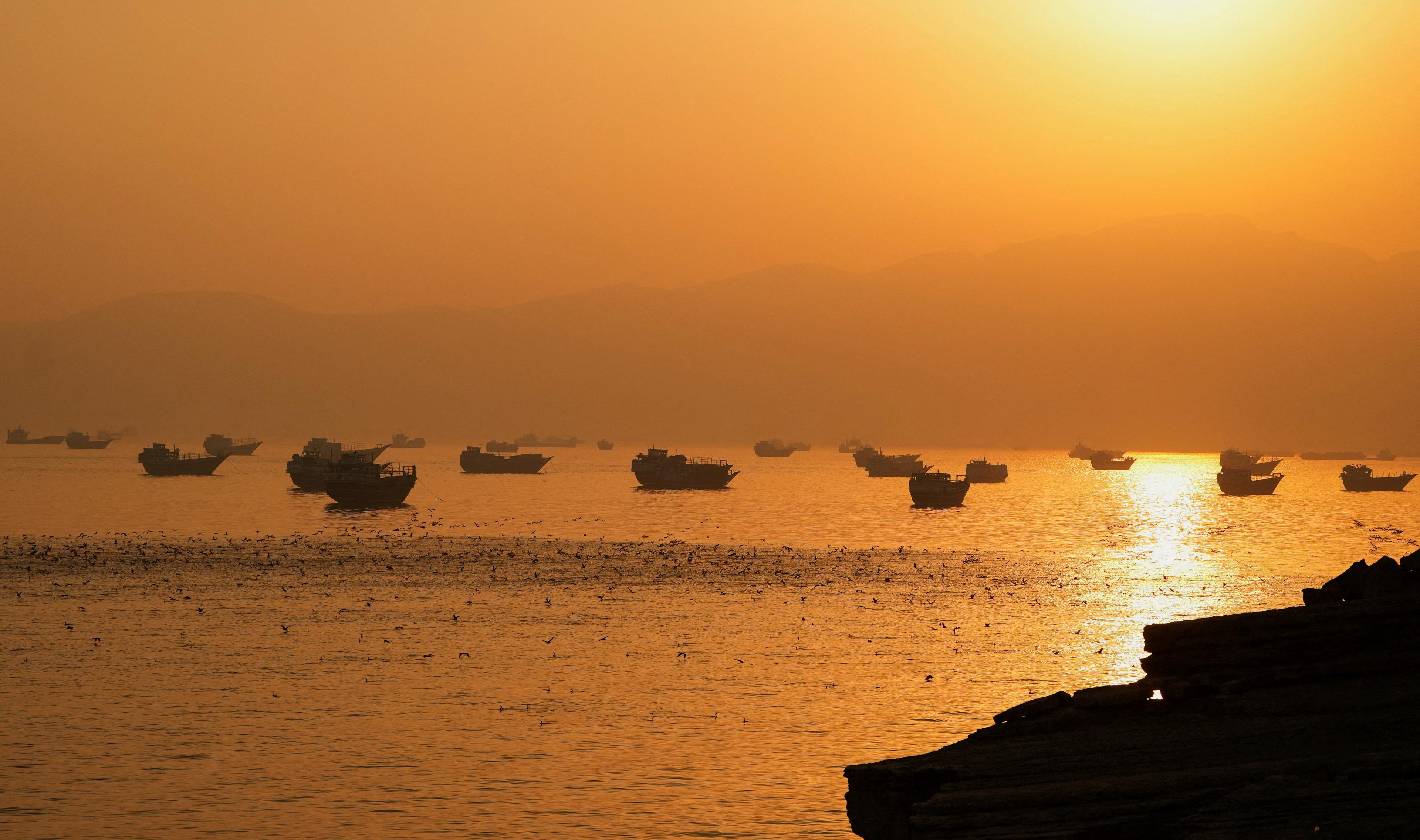
The United States launched a new wave of strikes on Iran aimed at Iranian military capabilities used to threaten vessels freely transiting through the Strait of Hormuz, as U.S. Central Command said it also fired hellfire missiles into the smokestack of the Curacao-flagged M/T Belma and disabled the tanker toward Kharg Island.
CNN reported that the U.S. military launched two more waves of strikes on Wednesday, describing them as aimed at Iranian targets “used to threaten vessels” in the Strait of Hormuz, while the BBC said the U.S. warned Tehran it “better behave” as it carried out fresh strikes.

The BBC said the latest U.S. strikes targeted “Iranian military capabilities used to threaten vessels” moving through the Strait of Hormuz and came after Iran claimed it had struck U.S. military targets in the region, including in Bahrain and Kuwait.
The Guardian described the blockade enforcement as U.S. forces observed the tanker transiting toward Kharg Island, with a U.S. aircraft disabling it after firing hellfire missiles into the ship’s smokestack, and said the ship was no longer transiting to Iran.
In parallel, CBC said the U.S. restarted a blockade on Iranian ports Tuesday afternoon and launched dozens of additional strikes on Iran, marking the fourth consecutive night of attacks.
Threats, negotiations, and evacuations
President Donald Trump said on Truth Social that Iran released an American citizen who he said was “wrongfully detained in December of 2024,” writing “She is now safely outside of Iran, and in good condition,” while CNN reported the woman was later identified by her attorney as Dena Karari.
Iran’s top negotiator Mohammad Bagher Ghalibaf told state media that Tehran had “no reason” to abide by the deal if it did benefit from it, and the BBC reported that he said Iran’s national security depended on maintaining “Iranian arrangements” in the strait.

CNN reported explosions heard in Bandar Abbas, Ahvaz and Chabahar late Wednesday evening, and said families and patients at Shahid Baghaei Hospital in Ahvaz were temporarily evacuated after a projectile from a US strike landed nearby.
A healthcare worker quoted by IRIB told CNN that “even patients who depended on oxygen, ventilators, and other life-support equipment were affected,” while the hospital’s director said 211 patients had to be relocated, according to IRNA.
In a separate warning, the BBC reported Trump told delegates at a defence summit that Iran was “not happy right now,” and said he added, “They want to settle so badly. They don’t like what we’re doing,” before saying “We'll find out whether we want to settle with them or if we just finish it off.”
What comes next
The BBC said Trump threatened late on Tuesday to attack bridges and power plants should Iran not return to talks next week, and it reported his response to reporters—“I don't like giving deadlines, but they pretty much know, they know the story... they better behave.”
CBC reported that Brent crude oil closed at a one-month high at $84.95 US a barrel on Wednesday, as the U.S. and Iran intensified attacks over control of the Strait of Hormuz and as the U.S. said it was holding Iran accountable at the Commander in Chief’s direction.
Reuters, as quoted by Al Jazeera, said three American officials told Reuters that the latest wave of U.S. strikes aimed at opening the Strait of Hormuz also targeted Iranian military capabilities Washington seeks to destroy before undertaking more sophisticated operations.
The Guardian said European fashion retailers were facing fresh questions over supply chain oversight after a fire at a factory that supplied them killed at least 33 garment workers in Bangladesh, but in the Iran coverage it also noted Kuwaiti interception of four cruise missiles and 21 hostile drones in Kuwaiti airspace since dawn on Wednesday.
In Iran’s stated position, the BBC reported Ghalibaf said negotiation—along with war—was part of Iran’s strategy of resistance as it engaged an “existential” conflict with the U.S., while CBC said Iran threatened to shut off more regional energy exports and described its engagement as an “existential war” with America.