Iran01 May, 20263 min read
U.S. Strikes Iranian Missile Sites And Boats Near Bandar Abbas Amid Strait Of Hormuz Tensions
This article is an automated aggregation of coverage from news outlets. Our editorials offer in-depth analysis curated by the NewsCord team.
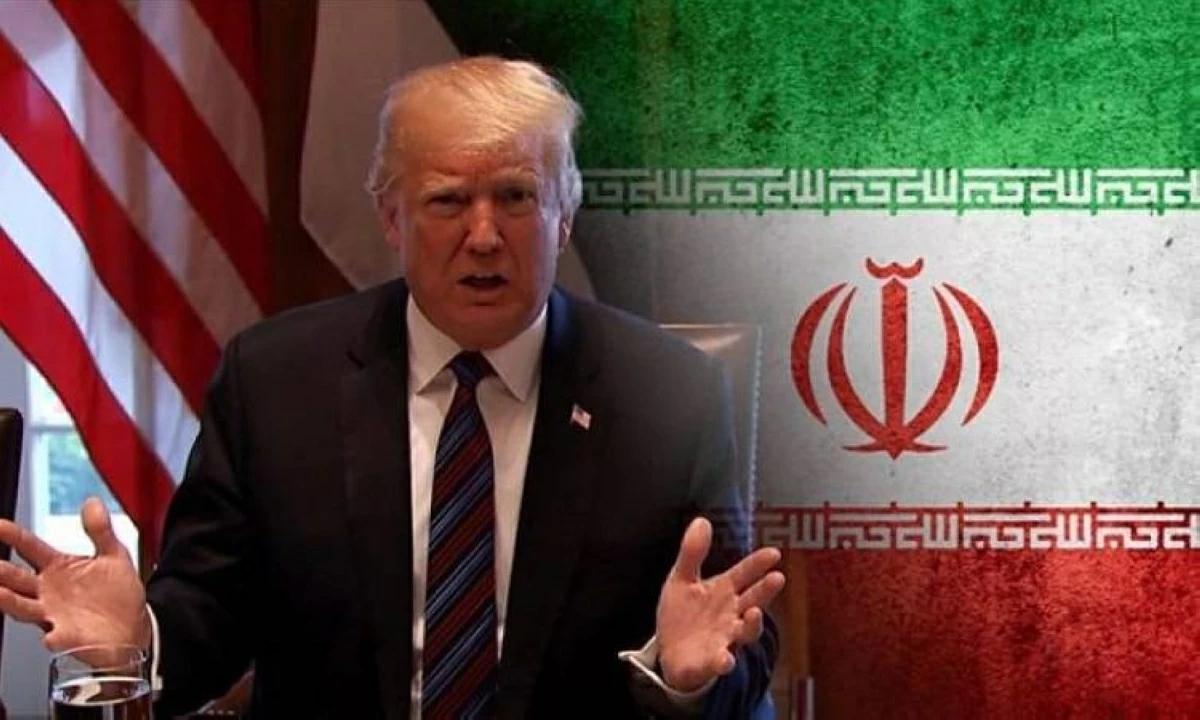
Fresh strikes in southern Iran, described as defensive, amid Hormuz tensions. Trump says no congressional authorization needed for Iran military actions.
BBC was read line by line by the Watchdog: 4.4. See the score →
Ceasefire, but Hormuz risk
The fragile U.S.-Iran ceasefire faced fresh pressure after American forces carried out defensive strikes targeting Iranian missile launch sites and Iranian boats attempting to place mines near Bandar Abbas, Iran’s main naval base and a central point in the standoff over the Strait of Hormuz.
CNN reported that “Nothing has fundamentally changed. The strait remains closed,” quoting Rory Johnston, an oil market researcher and founder of Commodity Context, as saying Tehran is reluctant to reopen the strait because it remains Iran’s primary point of leverage.
CNN also said oil futures backed away from $100 a barrel and that Brent crude oil futures jumped 4% on Tuesday as tensions remained high in the Gulf.
In marine-insurance coverage, the Strait of Hormuz passage normally carries about 20% of the world’s seaborne oil supply, but the ceasefire’s wording still left underwriters pricing active operational risk rather than post-conflict recovery.
Beinsure’s account tied the market’s risk pricing to the mine threat and the strikes’ location, noting that the action occurred near Bandar Abbas and that U.S. Central Command said the strikes were defensive.
Market pricing and underwriting
Beinsure reported that war risk premiums rose fivefold within 48 hours and that major marine insurers cancelled some existing coverage, while the Lloyd’s Market Association’s Joint War Committee redesignated the Arabian Gulf as a conflict zone.
The same source said by early March, premiums for Strait of Hormuz transits had climbed to 1.5% to 3% of hull value, and that U.S., UK, and Israeli-linked vessels were paying closer to 5%.

Beinsure quoted Intact Insurance’s Calvin Gray saying the strait may be officially open, but normality has not returned, and it linked that assessment to Monday’s strikes near Bandar Abbas.
CNN framed the danger as continuing even if a deal is reached, quoting Bob McNally, founder and president of Rapidan Energy Group, saying “I’m skeptical. I’ll believe it when I see it,” about the strait’s reopening and the speed of tanker flow recovery.
CNN also described how the market wants proof that the Strait of Hormuz is truly reopening, ideally without tolls or fees that inflate the already-high cost of oil.
Energy, politics, and fallout
CNN warned that even in a best-case scenario, a “brutal, inexorable math” would remain, saying more than 1.2 billion barrels of oil have been derailed by the war according to S&P Global Energy. CNN added that McNally still expects Brent crude oil futures to return to $120 or even $130 a barrel and US gas prices to flirt with the all-time high of $5.02 a gallon set in June 2022. Beinsure described how the risk picture also includes Tehran’s Hormuz Safe platform, a state-backed digital insurance system that accepts cryptocurrency payments for vessels transiting under Iran’s newly declared Persian Gulf Strait Authority.
In El País’ account of the political stakes, it argued that Trump’s war against Iran is on track to become “a spectacular case of a useless success of arms,” and it said the president cannot bear the stigma of being a loser. El País also tied the outcome to U.S. domestic timing, saying Trump’s failure would stain the pageantry of the United States' 250th Independence Day celebration on July 4 and handicap the Republicans ahead of the November midterm elections, in which the party's control of the House and the Senate will be at stake.