
US Strikes Iranian Targets, Iran Retaliates in Gulf After MoU Truce Breaks
Key Takeaways
- U.S. strikes Iranian targets in retaliation for Iranian attacks on vessels in Hormuz.
- Iranian forces strike U.S.-linked targets in the Gulf, escalating regional confrontation.
- Memorandum of Understanding ceasefire breached; truce collapsed.
MoU collapses over Hormuz
A 14-point memorandum of understanding between Iran and the US, signed digitally on June 16, was followed by a 23-day truce that broke when the US struck 80 targets in Iran in the early hours of July 8 and Iran retaliated by targeting 85 American targets in the Gulf region.
The ABC News timeline says the 60-day ceasefire agreed in a mid-June Memorandum of Understanding was “always shaky,” and it traces the breakdown to repeated flareups around the Strait of Hormuz, including Iran launching a drone strike against a ship in the Strait of Hormuz on June 25.
In the same ABC timeline, the US responded to Iran’s July 7 strikes by rescinding Iran’s license to sell oil internationally, reversing a key provision of the MoU and contributing to passage in the Strait slowing to only 25 ships crossing on Wednesday, according to Kpler data.
NDTV’s account adds that the MoU gave 60 days for the US and Iran to reach a final deal while implementing measures that eased the global energy crisis, including removal of the naval blockade and reopening the Strait of Hormuz for commercial traffic.
NDTV also says the roadmap agreed on June 22 in Switzerland included a communication line between Iran and the US to ensure safe passage for commercial vessels through the Strait of Hormuz, but it argues the deal left major issues like Iran’s ballistic missile programme and support to proxies out of the text.
Trump, Ghalibaf, and accusations
President Donald Trump declared on the sidelines of the NATO summit that the ceasefire deal with Iran was "over" and called Iranian counterparts "scum" and "sick people," as the ABC News timeline describes the US completing a second round of strikes in retaliation for Iranian strikes on commercial vessels transiting the Strait of Hormuz.
In the same ABC timeline, Iranian Parliamentary Speaker Mohamed Ghalibaf said that "Hormuz will only open with Iranian arrangements, not American threats," framing the dispute as a question of who controls passage.

PressTV’s account quotes Iran’s Foreign Ministry spokesman Esmaeil Baqaei saying, "We have made no request for negotiations with the United States," while warning that Washington’s repeated violations of the June 17 memorandum of understanding would be met with reciprocal action.
PressTV also reports Baqaei saying the US attacks on Wednesday and Thursday were a "gross violation" of the memorandum’s first and second clauses, which call for an end to military operations.
NDTV similarly emphasizes that it was the uneven structure of the MoU—where it says Iran got almost everything it was looking for—that left the US projected as weak and compromising, including in Israel, where it says discontent was made clear.
What’s at stake next
As the confrontation widened, the 14-point MoU’s provisions on sanctions relief and navigation were cited as central to what is at risk, with ABC News noting that the US rescinded Iran’s license to sell oil internationally after Iran struck three vessels in the Strait of Hormuz.
If the dispute continues, PressTV says Iran’s approach is grounded in "commitment for commitment," and it quotes Baqaei warning that if the other side violates commitments, "the Islamic Republic of Iran will take the necessary action."
The West Asian report from إذاعة حسنى says the US launched wide airstrikes on military targets in southern Iran and its southeast, while Iran responded by targeting American bases and military sites in several Gulf states, and it adds that CENTCOM said the latest round hit about 90 military targets inside Iran.
That same report says President Donald Trump stated the US delivered a very hard blow to Iran and that any new attack on ships would be met with a response twenty times as strong, while he said the aim is not to start a new war but to prevent Iran from obtaining nuclear weapons and to ensure freedom of international navigation.
NDTV’s analysis ties the stakes to the Strait of Hormuz itself, describing the MoU’s communication line and the reopening of the strait for commercial traffic as core measures, while arguing that the roadmap’s safeguards failed to prevent the disaster once the uneven deal met Iran’s red lines.
More on Iran
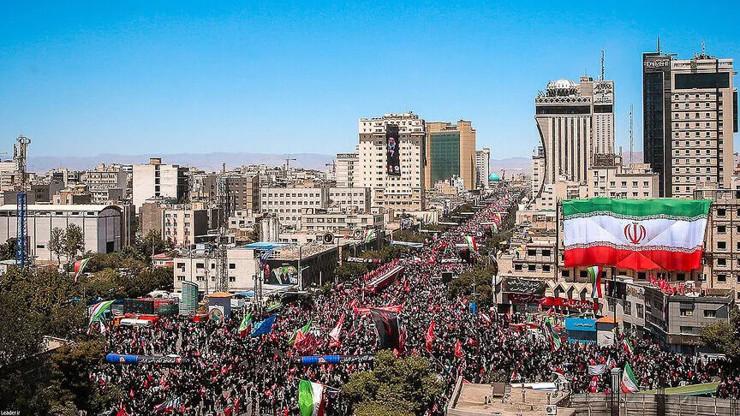
Israeli Strike Kills Ayatollah Ali Khamenei, Buried at Imam Reza Shrine in Mashhad
19 sources compared
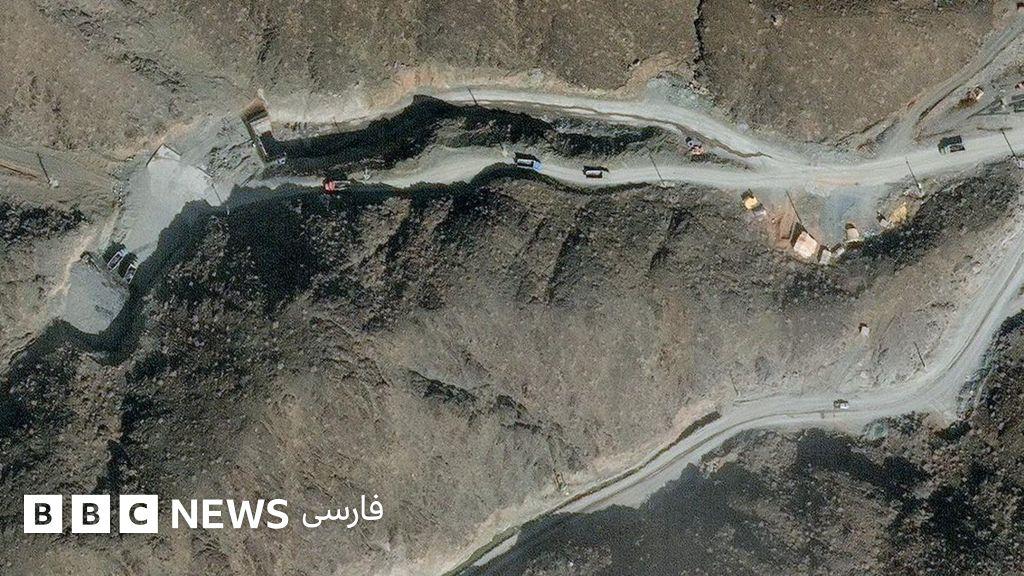
Iran Attempts To Restore Nuclear Sites Damaged In US And Israel Strikes, CNN Satellite Images Show
15 sources compared
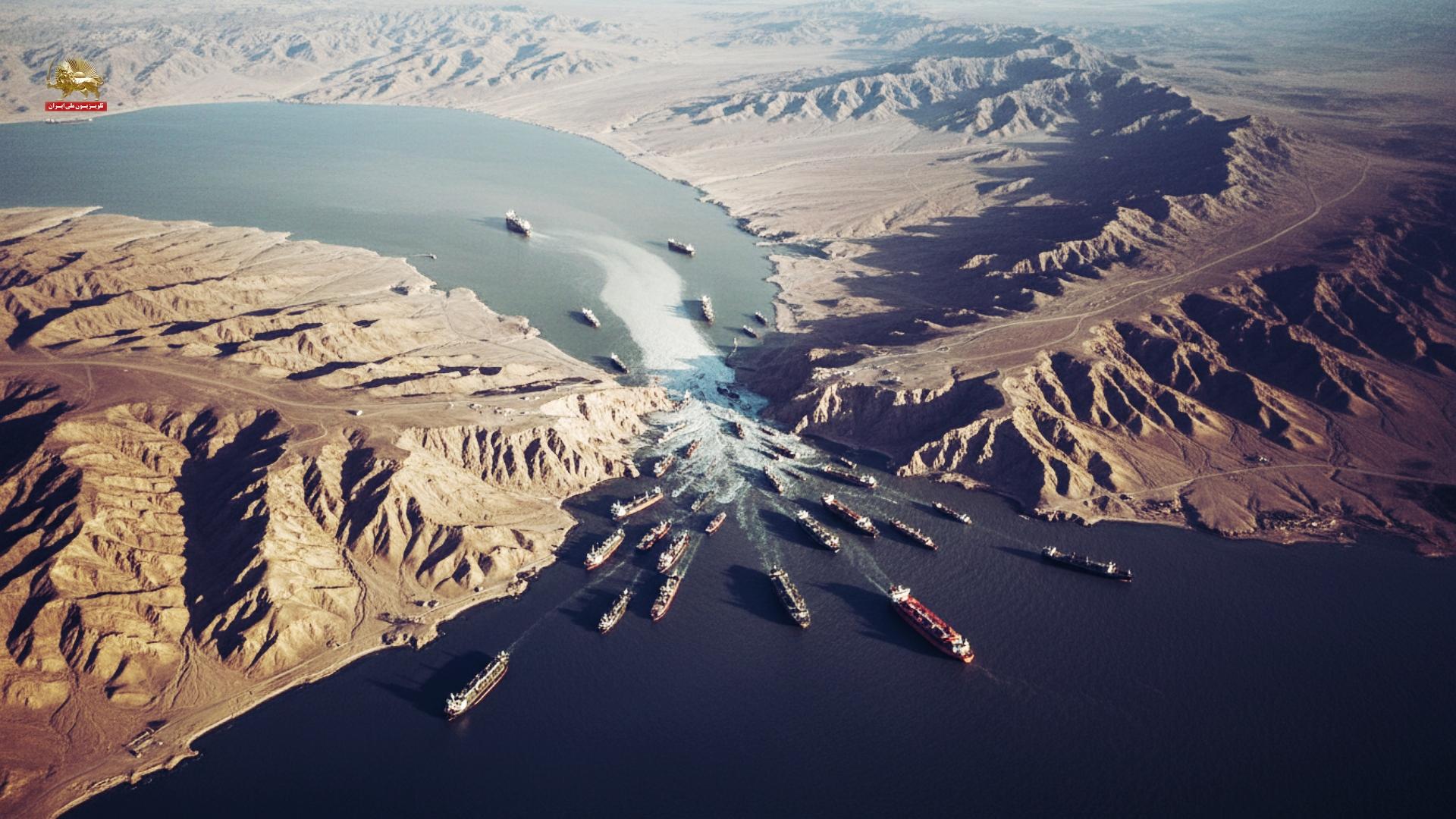
Abbas Araghchi and Prince Faisal Bin Farhan Discuss Regional Developments After US Attacks
11 sources compared

Trump Says U.S. Agreed to Continue Iran Talks, Ceasefire Is Over
19 sources compared