
US Strikes Obliterate Iran's Nuclear Program; Regime Intact but Degraded
Key Takeaways
- Iran's regime remains intact but largely degraded.
- Iran and proxies remain capable of attacking US interests.
- Gabbard's Senate Intelligence Committee testimony marked the first public briefing since the war began.
Nuclear Program Obliterated
US intelligence assessments confirm that Iran's nuclear enrichment program has been completely obliterated by US and Israeli strikes.
“- Published The top intelligence official in the US said on Wednesday that the Iranian regime was "intact" but "largely degraded"”
Director of National Intelligence Tulsi Gabbard testified before Congress that the Intelligence Community concluded Iran's nuclear program had been 'obliterated,' a assessment she concurred with during questioning.
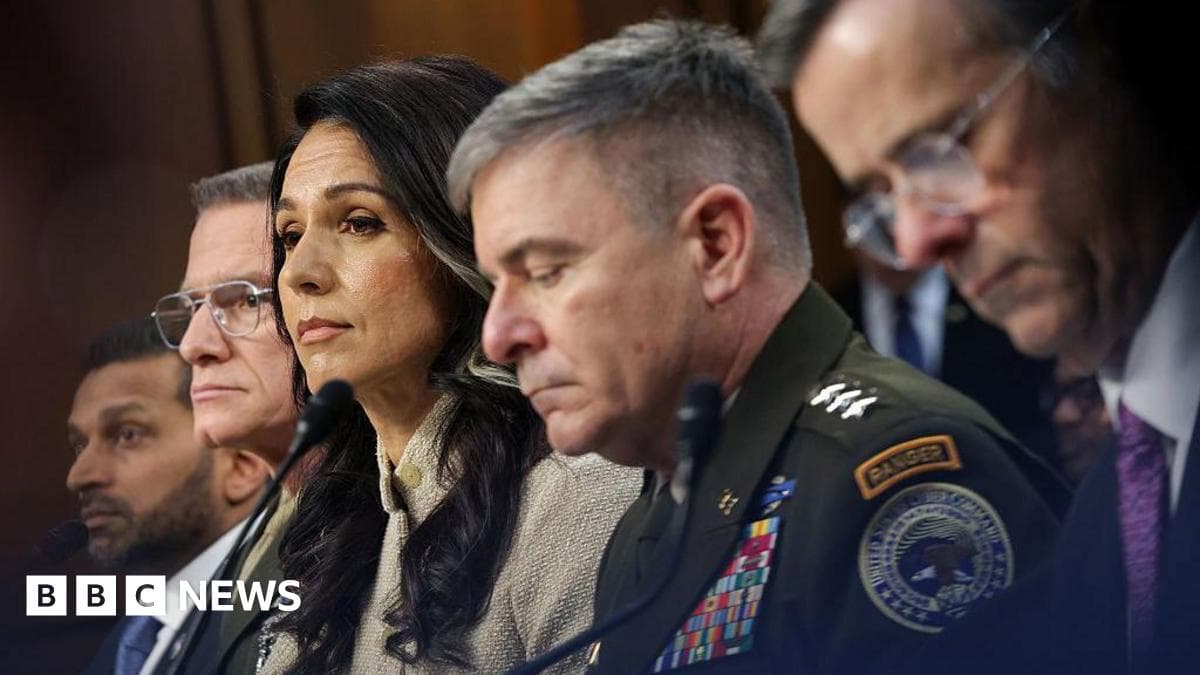
This contradicts earlier administration claims that Iran was weeks away from developing a nuclear weapon, which served as a key justification for launching Operation Epic Fury.
The intelligence community's assessment that Iran's nuclear capability was destroyed undermines the White House's pre-war narrative about an imminent nuclear threat.
Regime Status Assessment
Despite the successful destruction of Iran's nuclear program, US intelligence officials report that the Iranian regime remains intact but has been significantly degraded by the ongoing military campaign.
Director of National Intelligence Tulsi Gabbard characterized Iran as 'appears to be intact but largely degraded by Operation Epic Fury,' acknowledging that while the theocratic regime survives, its conventional military power projection has been 'largely destroyed.'

However, Iranian leaders still retain limited options to exert influence abroad and maintain control over their territory despite mounting economic pressures and internal tensions.
These tensions could increase as Iran's economy worsens due to US-led maximum pressure campaigns and snapback of European sanctions.
Threat Assessment Disputes
Intelligence assessments before and during the Iran war have created significant controversy over the actual threat level posed by Tehran.
“Top national security officials in the Trump administration will testify before Congress in back-to-back hearings Wednesday and Thursday as lawmakers grill them on the war in Iran”
Recent intelligence showed US strikes are unlikely to result in regime change in Tehran and cast doubt on claims that Iran was preparing to strike first, directly challenging the administration's pre-war justifications.
CIA Director John Ratcliffe testified that he disagreed with assessments from former counterterrorism chief Joe Kent, stating 'I think Iran has been a constant threat to the United States for an extended period of time, and posed an immediate threat at this time.'
The intelligence community maintains that Iran maintained the intention to rebuild and continue growing its nuclear enrichment capability, but assessments differ on whether this constituted an imminent threat to US national security interests.
Administration Dissent
The Iran war has sparked significant internal dissent within the Trump administration, highlighted by the resignation of National Counterterrorism Center director Joe Kent.
Kent became the first senior official to resign over the conflict, stating 'I cannot in good conscience support the ongoing war in Iran' and declaring 'Iran posed no imminent threat to our nation.'

Kent asserted that 'it is clear that we started this war due to pressure from Israel and its powerful lobby,' directly challenging the administration's stated justifications.
Congressional scrutiny has intensified, with Democrats accusing the administration of failing to adequately brief Congress on a conflict costing billions of dollars.
Lawmakers have demanded more transparency, calling for public testimony instead of classified briefings, while investigating outdated intelligence that led to a US missile strike killing over 165 people at an elementary school in Iran.
More on Iran
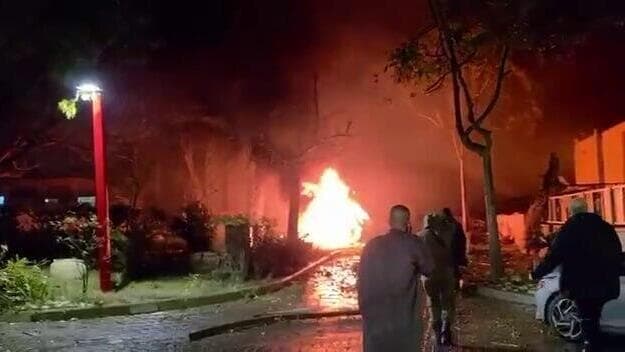
Iran Attacks Israeli Towns Dimona and Arad Near Israel's Main Nuclear Research Center, Dozens Wounded
43 sources compared
Iran Attacks Dimona in Retaliation for Natanz Strike
44 sources compared

Iran Attacks Diego Garcia with Long-Range Missiles, Targeting U.S.-UK Base
82 sources compared
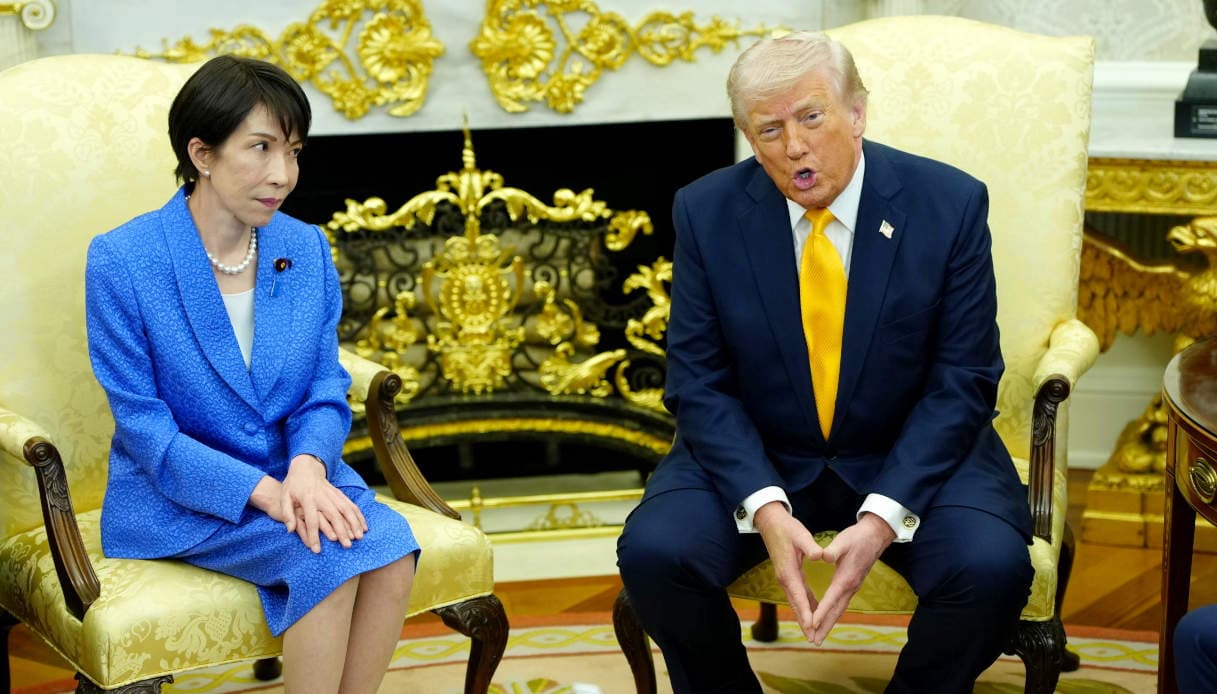
Trump Defends Iran War by Citing Pearl Harbor
12 sources compared