
U.S. Supreme Court Lets Texas Enforce App Store Age Verification And Parental Consent Law
Key Takeaways
- Supreme Court allows Texas to enforce age-verification and parental-consent requirements for app stores.
- SB 2420, the App Store Accountability Act, was signed into law in 2025.
- Supreme Court declined to block enforcement amid First Amendment challenges.
Texas app age checks
The U.S. Supreme Court on Monday declined to block Texas from enforcing a state law that requires app stores to verify users’ ages and obtain parental consent for minors seeking to download apps or make in-app purchases.
“The US Supreme Court has cleared the way for Texas to begin enforcing a law that requires app stores to verify users’ ages and obtain parental consent before minors can download apps or make in-app purchases, while a legal challenge continues”
Justice Samuel Alito issued brief orders rejecting requests from plaintiffs who argued the Texas App Store Accountability Act violates users’ constitutional rights to free speech under the First Amendment.
Texas’ law, enacted last year, was challenged after a federal judge in Austin halted it in December over First Amendment concerns, and a three-judge panel of the Fifth U.S. Circuit Court of Appeals later lifted the injunction earlier this year.
The Supreme Court’s emergency docket decision left the Fifth Circuit’s order in place, meaning the law can be enforced while the legal challenge continues in the lower courts.
Competing arguments
Texas argued that the law protects children from “dangerous modern products,” and attorneys for Students Engaged in Advancing Texas said “Equity and the public interest support relief because protecting First Amendment rights — and parents' rights to supervise their children as they see fit, not as the government tells them they should — is always in the public interest.”
In contrast, the Computer & Communications Industry Association said the law would effectively bar young people from accessing a wide range of content, “be it a book by Ernest Hemingway or J.K. Rowling, a Taylor Swift album, or a subscription to National Geographic.”

The Computer & Communications Industry Association also framed the requirement as unprecedented, writing, “No state has ever required its citizens to prove their age before reading a newspaper, entering a bookstore, or even accessing the internet,” while the Texas law “does exactly that — for every mobile app on every mobile phone.”
NBC 5 Dallas-Fort Worth reported that the Supreme Court order does not decide whether the law is constitutional, but instead allows Texas to continue enforcing it while the case returns to the Fifth Circuit.
What happens next
The case now returns to the Fifth Circuit, which will decide whether the App Store Accountability Act ultimately complies with the Constitution, after the Supreme Court declined to intervene and left the appeals court’s decision intact.
“The Supreme Court sided with Texas on Monday in emergency litigation over a law that its opponents said marked the first time a state has ever required its citizens “to prove their age before reading a newspaper, entering a bookstore, or even accessing the internet”
MS NOW reported that student and trade groups asked the justices to vacate the appellate order and restore “the status quo protecting Texas minors’ access to constitutionally protected content and their parents’ authority to make different content decisions for their families.”
Al Jazeera said the law was signed by Republican Governor Greg Abbott in 2025 and requires app store accounts belonging to anyone under 18 to be linked to a parent or guardian, with parents notified of an app’s age rating before approving downloads.
The dispute sits within a broader pattern of state efforts to tighten online rules for young people, and CNN noted the Supreme Court last summer allowed Mississippi to enforce a similar age-verification law for social media companies while litigation continued.
More on Technology and Science

12-Year-Old Fabiana Blanco Rescued After 32 Hours Trapped Under Venezuela Earthquake Rubble
22 sources compared
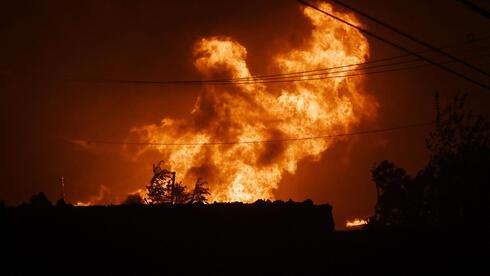
Wildfire Forces 10,000 Evacuations in Southern France Near Spanish Border
13 sources compared
Storm Winds Topple Statue of Liberty Replica in Guaíba, Brazil
10 sources compared
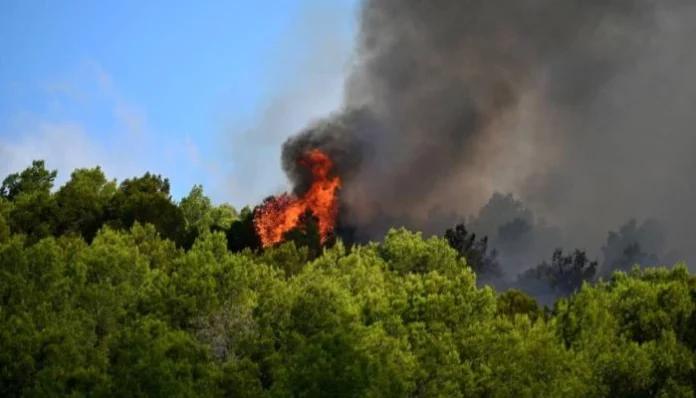
Wildfire Forces Evacuation Of 10,000 People In Southwestern France Near Perpignan
13 sources compared