Full story
Sanctions, nuclear talks
The US Treasury imposed sanctions on Iran’s largest crypto exchange, Nobitex, and three other digital exchanges in a statement dated June 2, saying Nobitex was a conduit for transactions linked to Iran’s Islamic Revolutionary Guards Corps (IRGC).
Treasury Secretary Scott Bessent said, “While Iran’s economy is in free fall, the regime has chosen to co-opt digital asset technologies for its own corrupt agenda,” as the statement added that Nobitex accounted for more than 50 percent of all Iranian “asset inflows” in 2025.

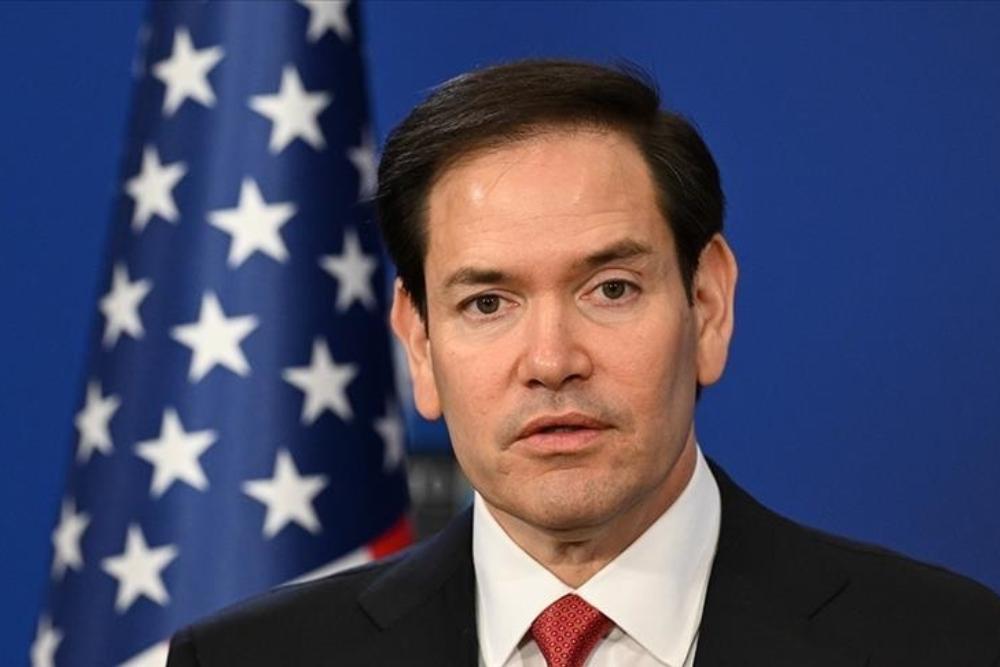
In parallel, US Secretary of State Marco Rubio told lawmakers on June 2 that the first stage of any deal would be Iran lifting its blockade of the strait in exchange for Washington lifting its naval blockade on Iranian ports and waters.
Rubio also said no sanctions on Iran would be lifted in exchange for Iran agreeing to open the Strait of Hormuz, telling a Senate committee hearing on June 2, “That's not been discussed. That's not been offered.”
Rubio’s testimony and disputes
Rubio testified before the Senate Foreign Relations Committee on Tuesday, saying the Iranians have agreed to negotiate on nuclear points they had refused to discuss, and he told the Senate, “They have agreed to negotiate aspects of their nuclear program that just a month ago, just a year ago, they were refusing to even mention.”
The claim of progress ran alongside disputes over whether Iran had stopped communicating with mediators, with President Donald Trump calling Iranian reports “false and erroneous” after semiofficial Iranian news agencies reported a pause.

Rubio said there was no guarantee “it will lead to a deal that’s acceptable,” and he described negotiations as difficult because of the instability of Iran’s leadership and the need for Iran’s negotiators to negotiate with their own leadership council in Tehran.
In a separate hearing account, Rubio also said there are signs that Iran’s Supreme Leader Mojtaba Khamenei is alive and increasingly engaged, adding, “I think there are indications out there that he is increasingly engaging at some level, although all of his communications have been in writing and through intermediaries.”
What’s at stake next
Rubio framed reopening the Strait of Hormuz as a precondition for talks, saying, “That’s the predicate that opens the door to phase two,” while he told senators that phase two would require Iran to commit to disposing of its stockpile of highly enriched uranium.
He also insisted that sanctions relief would be tied to nuclear concessions rather than strait access alone, saying in the Senate exchange, “Any sanctions relief is condition-based,” and “That’s not been discussed, that’s not been offered.”
The stakes for the negotiations were tied to the war’s wider pressure points, with Rubio’s testimony noting that the blockade was costing Tehran “hundreds of millions of dollars a day” in lost oil revenue and that if Iran shut the straits for everyone, “we’re going to shut down the straits for them.”
At the same time, the US and Iran’s positions were being contested in public messaging, with Trump writing on Truth Social, “Fake News Reports that the Islamic Republic of Iran, and the U.S.A., stopped speaking a few days ago are false and erroneous.”