Full story
Sanctions and oil threat
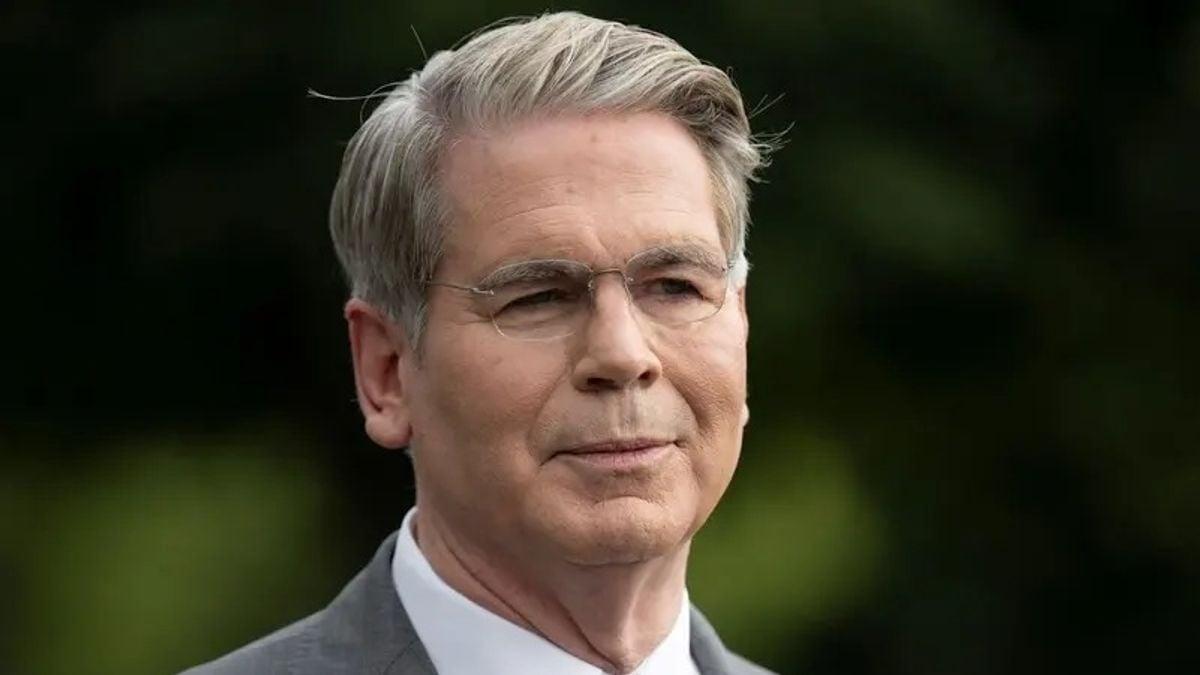
The United States threatened Iran with what it described as the “biggest financial war ever,” as it prepared to impose economic sanctions targeting Iran’s trading partners, with U.S. Treasury Secretary Janet Yellen set to hold a press conference at 1:00 p.m. ET on Monday.
“the “biggest financial war ever””
Iran vowed to halt all oil exports from the Gulf “if the economic war persists,” while Reuters said the status of Iran’s nuclear program remains uncertain and that Iran has retained enough missile and drone capability to strike neighboring Gulf states and threaten ships in the Strait of Hormuz.

Reuters reported that the warring countries have not carried out military strikes against each other for weeks, but have not engaged seriously in talks to end the six-month-old conflict, which began after the United States and Israel launched attacks on February 28.
In the Financial Times op-ed cited by Reuters, Yellen wrote, “With dawn, the day of economic decision begins — the biggest financial war ever waged against a foe.”
Yellen’s ultimatum and Iran’s response
Reuters said Yellen hinted the United States would target “fearful” states that pursue a “de-escalation” policy by engaging with the Iranian economy and financial system, and she wrote in the Financial Times, “It is better for them to think about the consequences of continuing this.”
Iran’s Secretary of the Supreme National Security Council, Ali Shamkhani, suggested the possibility of an economic response and wrote on social media, “If the economic war continues, not a drop of oil will be exported, neither through the Strait of Hormuz nor from anywhere in the Persian Gulf.”
Reuters reported that Shamkhani added, “Iran will consider participation by any country in the U.S. economic war against the Iranian people or its support for it as an act of war.”
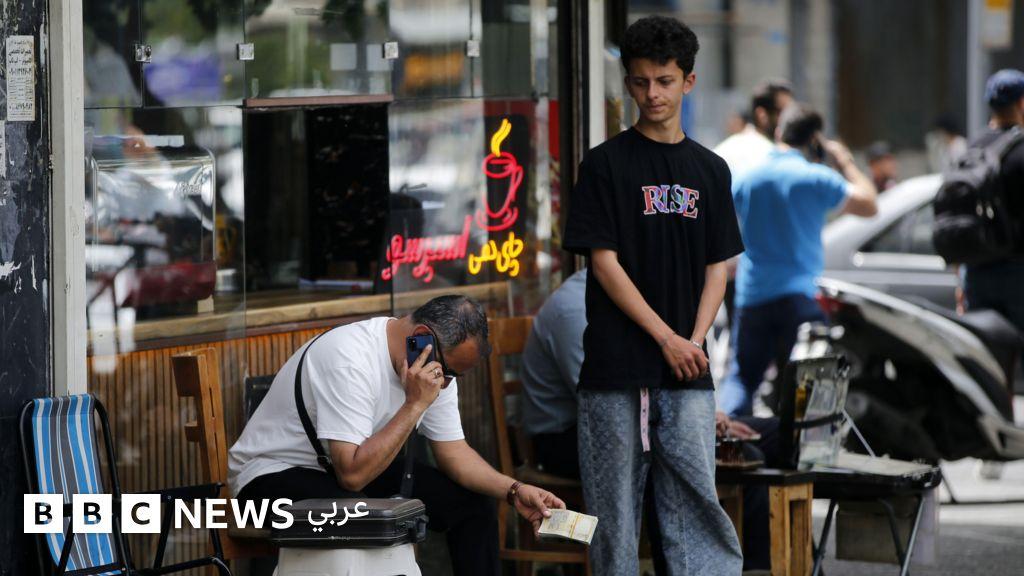
The BBC also framed the U.S. threat as “The largest financial war in history,” saying Washington prepared sanctions targeting Tehran’s commercial partners while Iran warned it would suspend all oil exports from the Gulf “if the economic war continues.”
Secondary sanctions and regional stakes
As the conflict shifts toward finance, MUNDIARIO described a U.S. plan to extend pressure to third countries and companies that continue to trade with the Iranian regime, calling it the logic of so-called secondary sanctions.
“forces governments and companies around the world to choose between doing business with Iran or preserving access to the U.S. market”
MUNDIARIO said the strategy aims to increase Iran’s economic isolation without opening a new high-intensity war front, and it described the “real dilemma” as lying outside Iran because actors such as China, a main buyer of Iranian oil, would have to assess “to what extent they are willing to bear the cost of challenging Washington.”
France 24 reported that Iran’s Foreign Minister Mohammad Javad Zarif rejected the American threat to impose new sanctions, saying returning to economic pressure reflects a state of desperation and confirming that the anticipated measures will not succeed.
France 24 also said Iran’s Supreme National Security Council Secretary Ali Shamkhani warned countries not to participate in U.S. economic restrictions, saying any country that joins them would be considered an “enemy.”