USA23 July, 20263 min read
USAID Cuts Leave Nepal Aid Workers Jobless, Forcing Rubi Lama Into Sex Work
This article is an automated aggregation of coverage from news outlets. Our editorials offer in-depth analysis curated by the NewsCord team.
USAID funding cuts left Nepal aid workers jobless, prompting survival choices. Around 100 LGBTQ+ aid workers turned to sex work to survive.
USAID cuts push workers
In Nepal’s Hetauda, Associated Press reported that after the United States slashed its foreign aid funding, Rubi Lama and more than 280,000 aid workers worldwide found themselves out of a job and turned to sex work to survive.
The AP said the public health implications are vast, noting that with U.S. funding cuts also eliminating access to HIV prevention medication in Nepal, health experts fear a spike in HIV prevalence among the surging ranks of sex workers and members of the LGBTQ+ community.

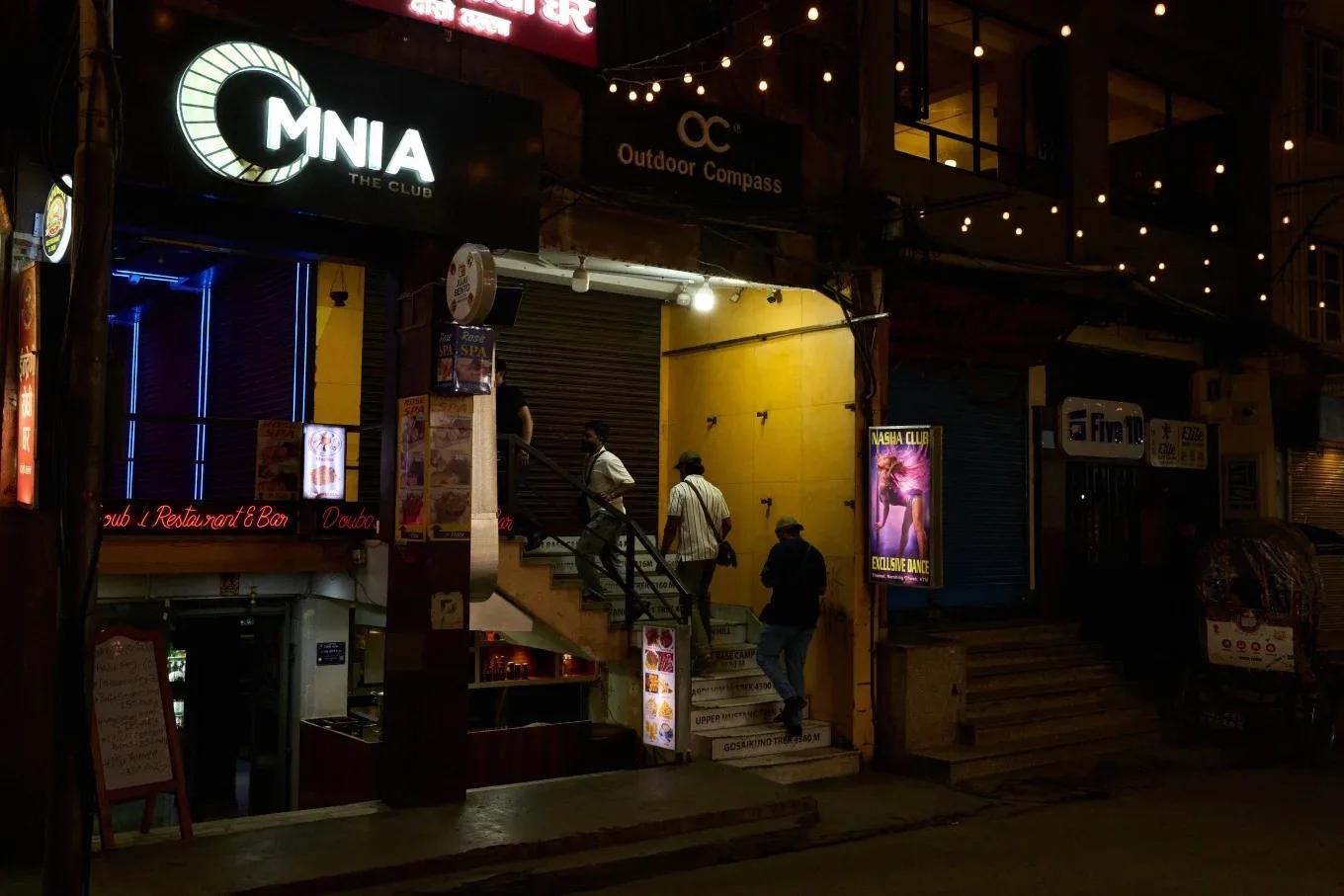
The AP described Lama as 28 years old and said she paces the side of the darkened highway in central Nepal, where she waits for customers as rent and food costs mount.
The AP also tied the job losses to U.S. President Donald Trump freezing funding for USAID and later dissolving the agency after calling it a waste of money, while the U.S. State Department told the AP it had reinvigorated assistance programs to focus on efficiency, effectiveness and partnership.
In a separate AP interview published by The Sen Times, reporter Kristen Gelineau said the cuts prompted scores of unemployed aid workers in Nepal to turn to sex work to survive, and she framed the focus as the impacts on the 280,000 people who lost their jobs rather than only on those receiving aid.
State Department and AP
The U.S. State Department, in a statement to The Associated Press, said the Trump administration had reinvigorated its assistance programs to focus on efficiency, effectiveness and partnership, and it also said the U.S. spends more on health and humanitarian assistance than any other country.
In The Sen Times interview with Mary Rajkumar, AP reporter Kristen Gelineau said, "There has been a significant amount of coverage of the devastating impacts of the U.S. foreign aid cuts," but that there had not been much written about the 280,000 people who lost their jobs.

Gelineau told Rajkumar that the few stories that had been done largely focused on American USAID staffers, even though they make up less than 10% of those left jobless by the cuts.
The Seattle Times, summarizing the AP report, said the AP documented the desperation of people who devoted years of their lives to caring for society’s most vulnerable, and it described the job losses as including outreach workers, data collectors, drivers and medics.
The Seattle Times also reported that in Nepal alone, an estimated 35,000 aid workers lost their jobs amid the USAID cuts, citing NGO Federation of Nepal President Arjun Bhattarai.
HIV access and local fallout
The Seattle Times said USAID was integral to Nepal’s HIV prevention efforts, describing a program run by the Blue Diamond Society that received 85% of its funding from USAID and was staffed largely by people who were themselves gender and sexual minorities.
It reported that the funding cuts shut down the society’s services, leaving more than 1,200 clients without access to PrEP medication and 262 of the group’s 350 staffers without work.
The Seattle Times added that between 35% and 45% of the society’s former staffers turned to sex work, and it quoted executive director Manisha Dhakal saying, "Sex work or starve."
In the Associated Press account, the story said all of that ended in January 2025, when Trump froze funding for USAID, and it described the headquarters for Friends Hetauda as having stickers bearing the logo of the U.S. Agency for International Development on unused laptops and empty condom distribution containers collecting dust.
The AP also said the U.S. funding cuts eliminated access to PrEP in Nepal except for pregnant and lactating mothers, and it reported health experts fear a spike in HIV prevalence among sex workers and members of the LGBTQ+ community.