USA18 August, 20263 min read
USCIS Updates Public Charge Guidance for Green Card Applicants, Effective September 18, 2026
This article is an automated aggregation of coverage from news outlets. Our editorials offer in-depth analysis curated by the NewsCord team.
USCIS updates guidance to consider means-tested benefits for Form I-485, effective Sept 18, 2026. Final rule rescinds Biden-era public charge policy, published in July 2026.
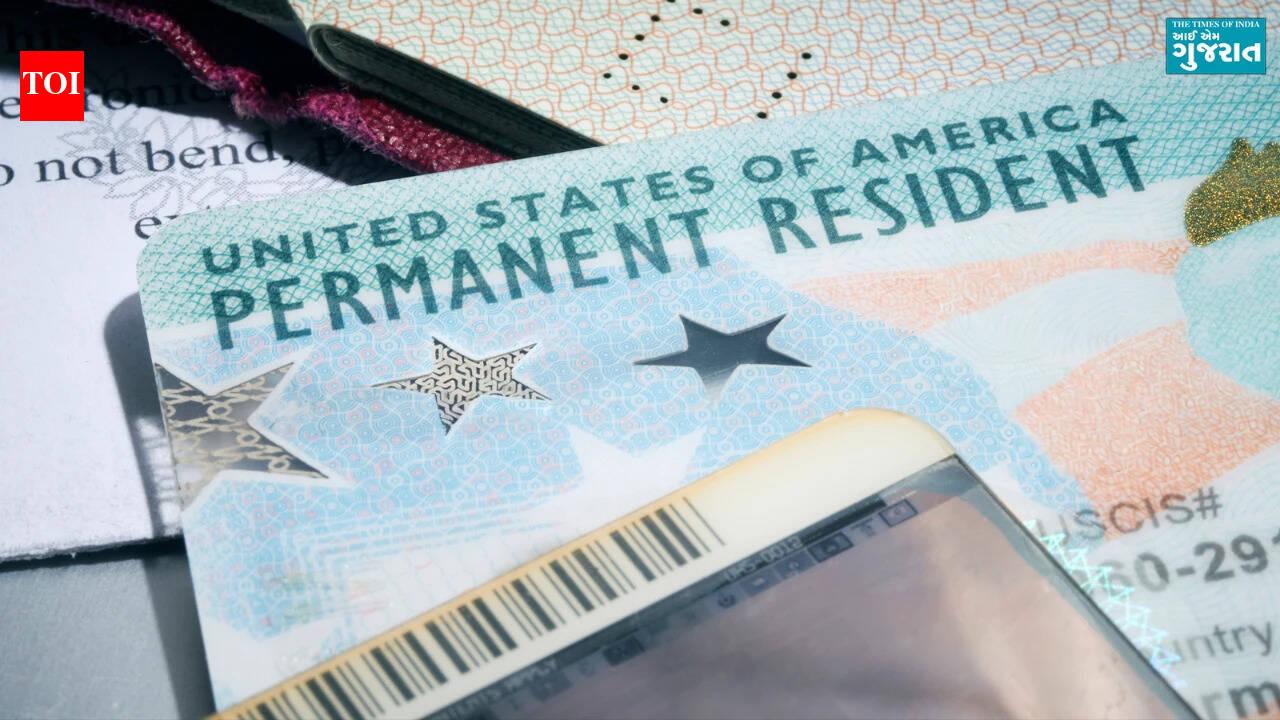
USCIS rescinds rule
The U.S. Citizenship and Immigration Services (USCIS) issued updated guidance in its Policy Manual on how it will determine whether an applicant seeking lawful permanent residence is likely to become a public charge, following a Department of Homeland Security (DHS) final rule announced on July 16, 2026.
The final rule was formally published in the Federal Register on July 20, 2026, and goes into effect on September 18, 2026, with USCIS saying the updated guidance aligns with congressional intent that noncitizens residing in the United States should maintain self-sufficiency rather than relying on taxpayer-funded government benefits.

USCIS said it will evaluate five core statutory factors under the Immigration and Nationality Act (INA)—age; health; family status; assets, resources, and financial status; and education and skills—and may also consider Form I-864 (Affidavit of Support) executed by a sponsor.
For benefits received prior to September 18, 2026, USCIS will strictly consider public cash assistance for income maintenance and long-term institutionalization at government expense, while for benefits received on or after September 18, 2026, it will consider any and all means-tested public benefits, including cash assistance, housing subsidies, food stamps (SNAP), and financial aid for college.
USCIS also said that if an applicant is found inadmissible solely on public charge grounds, an officer may invite the applicant to post a public charge bond, with the bond amount determined based on the estimated value of government assistance the individual might qualify for and receive over the next five years.
What counts, what doesn’t
USCIS said the updated guidance applies to Forms I-485 postmarked or electronically submitted on or after September 18, 2026, and it follows DHS’s July 20 final rule rescinding the Biden administration’s 2022 public-charge regulation. The guidance says officers may consider “any and all” means-tested public benefits on or after September 18, 2026 as part of a case-by-case review, while for benefits received before that date officers consider only public cash assistance for income maintenance and long-term institutionalization at government expense. USCIS listed potentially relevant benefits as cash assistance, public or assisted housing, food assistance, government-funded health coverage, financial aid for postsecondary education, and similar aid for which eligibility depends on income or assets, and it said Social Security, Medicare, and unemployment insurance are not means-tested public benefits for purposes of the public-charge analysis.
The policy also states that an applicant is considered to have received a benefit only when the applicant is listed as its beneficiary, and it says benefits received by an applicant’s children or other relatives generally will not be attributed to the applicant. USCIS said officers must make a prospective determination based on the “totality of the circumstances,” and it said no individual factor can alone determine the outcome, while also stating that an applicant’s current or past use of means-tested benefits will be “highly relevant.”
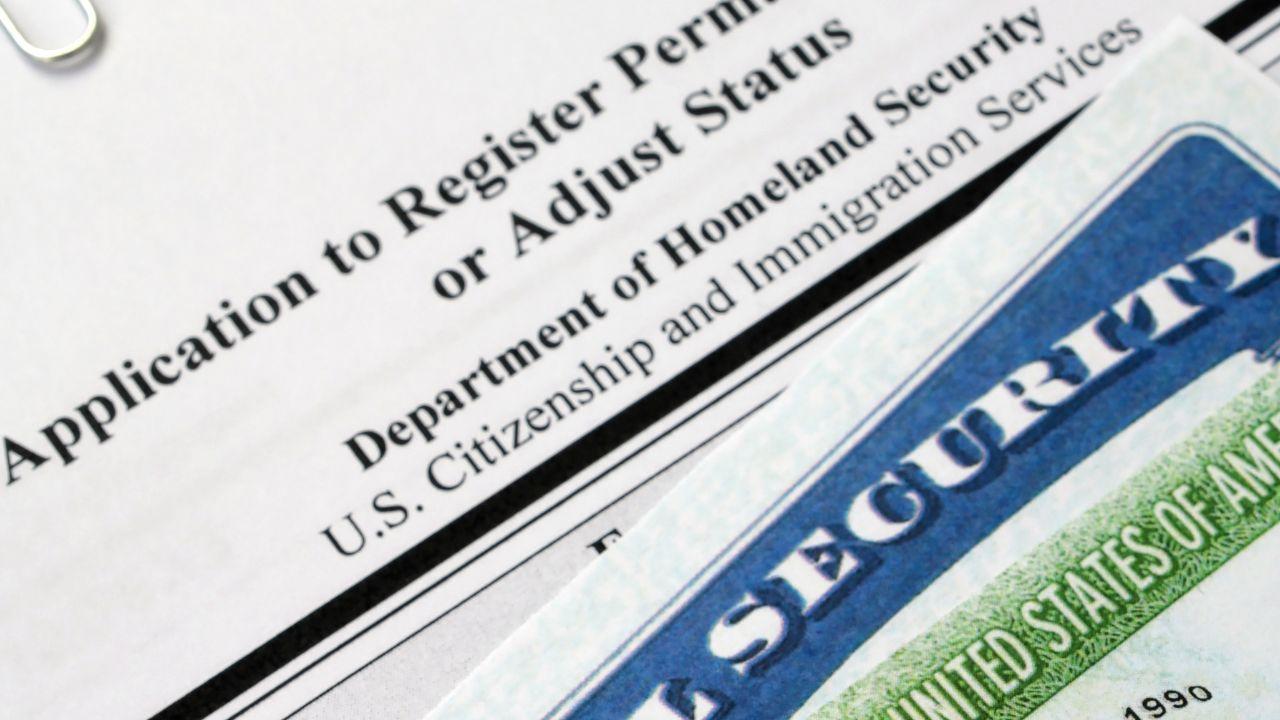
Bonds and broader impact
USCIS said that if an adjustment applicant is inadmissible only because the person is likely to become a public charge, an officer may invite the applicant to post a public-charge bond, which may be paid in cash or through a Treasury-certified surety company.
The agency said the amount will be based on the assistance the applicant could be eligible to receive over the next five years, and it said applicants may file Form I-945, Public Charge Bond, only after USCIS sends a Notice of Intent to Deny that specifically invites them to do so.
USCIS also said it will not accept unsolicited public-charge bonds, and it said different rules apply for earlier filings, with applications filed from Dec. 23, 2022, through Sept. 17, 2026 continuing to be decided under the 2022 public-charge rule and related guidance.
In a separate account of the policy’s expected effects, The American Prospect reported that USCIS acknowledges its approach will cause 1.3 million people to leave Medicaid, the Children’s Health Insurance Program (CHIP), SNAP, TANF, SSI, federal rental assistance, and WIC.
The American Prospect also cited a Kaiser Family Foundation analysis saying that between 1.4 million and 4.1 million Medicaid and CHIP enrollees living in households with a noncitizen might quit the program due to the new public charge rule.