Asia18 September, 20263 min read
War In West Asia Disrupts LNG Supply, Squeezes Bangladesh Energy And Power In Dhaka
This article is an automated aggregation of coverage from news outlets. Our editorials offer in-depth analysis curated by the NewsCord team.
Bangladesh LNG terminals near full capacity, but national gas supply remains tight amid Gulf crisis. National gas flow is about 2,624 mmcfd, far below demand despite 1,015 mmcfd from terminals.

Gulf shock, Dhaka strain
Bangladesh’s LNG terminals off Moheshkhali were reportedly back near full capacity this week, with gas supply from the two floating terminals recovering to 1,015 million cubic feet per day (mmcfd), but total national supply still stood at only 2,624mmcfd against estimated demand of around 3,800mmcfd. The Guardian describes how the energy crisis has paralysed Dhaka, where piped gas is only strong enough for cooking at late hours and the city operates in darkness as power in public areas is shut off early in the evening to preserve energy.
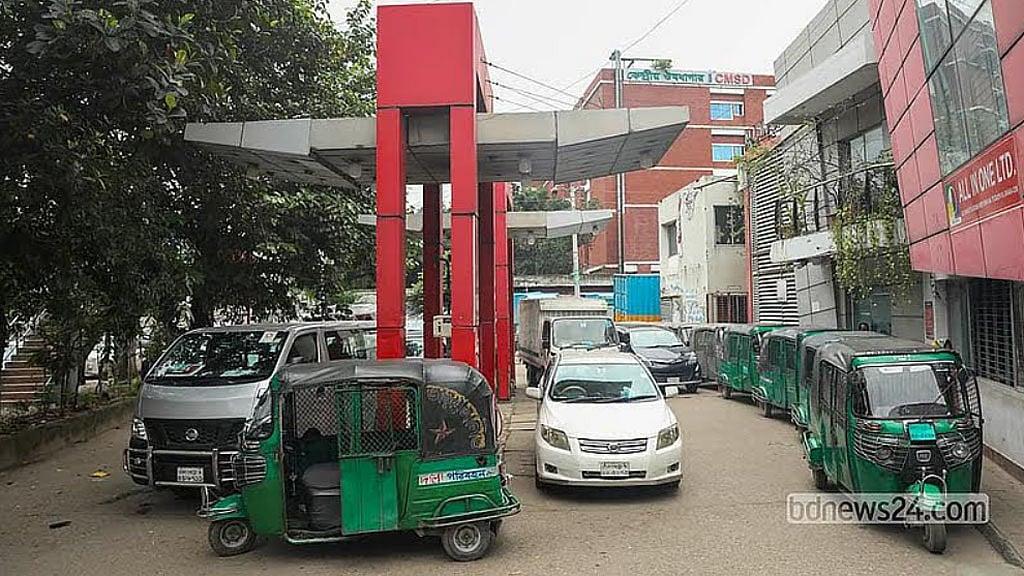
The bdnews24 report links the squeeze to the war in West Asia disrupting LNG supplies and shipping through the Strait of Hormuz, pushing Asian spot prices from around $10 per million British thermal units (MMBtu) before the supply shock to nearly $30. In Dhaka, the Guardian quotes Halder saying, "I want to turn on the stove and find gas, I want to switch on the light and find electricity, I want clean water from the tap," and adds, "These are not luxuries."
Factories, hospitals, and outages
Reuters says the shortfall has triggered blackouts and factory shutdowns in Bangladesh, with Power Minister Iqbal Hasan Mahmud telling the week, "Industrial growth is slowing down, and production is going down." The Reuters account ties the disruption to LNG deliveries from Qatar, noting that Bangladesh draws more than 40% of its electricity from imported LNG and that disruptions in deliveries from Qatar—once the source of 95% of those imports—forced Dhaka to chase costlier cargoes on the spot market. In the Daily Star’s account of the grid, one of the two units of Adani Power’s Godda plant in India tripped after developing a boiler problem around Thursday midnight, halving its supply to Bangladesh and pushing output below 750 megawatts (MW).
The Daily Star reports that the Thursday spike was met with severe load shedding, saying the average hourly load shedding stood at 2,657MW and that at around 3:00pm, when demand stood at 16,345MW, the shortfall reached 3,557MW. The Daily Star also quotes a PDB official saying, "With gas-fired plants remaining fuel-constrained, several coal-fired plants facing supply or technical problems, and HFO plants already pushed harder during peak periods, the system has little room to absorb another major outage."

What’s at risk next
bdnews24 reports that LNG supply disruptions have removed around 36 million tonnes of LNG from the global market, and it says Bangladesh has increasingly relied on imported LNG as domestic gas production falls. The same report says the government approved four spot LNG cargoes on Sept 2, with the most expensive priced at $28.03 per MMBtu, and it adds that two cargoes approved on Aug 24 had cost $24.62 and $24.25. Reuters frames the stakes for industry by describing how energy shortages show up in garments orders, with a survey of knitwear factories by the BKMEA trade group finding 55% had seen buyers cancel or cut orders because of gas and power shortages since late August, and 78% had partially halted production.
Reuters also gives a concrete example from the textile supply chain, saying a boiler ruined in mid-process by low gas pressure forced owner Alvi Islam to source fabric from China, and that a buyer reduced a 50,000-piece order to 40,000. The Guardian adds a household-level consequence, saying almost 3 million more people are expected to be facing food insecurity in the final months of this year, a rise of 18% from the summer figure of 15.3 million, according to the Integrated Food Security Phase Classification.