China08 November, 20232 min read
Washington National Zoo Ships Last Pandas to China Ending 51-Year U.S. Panda Presence
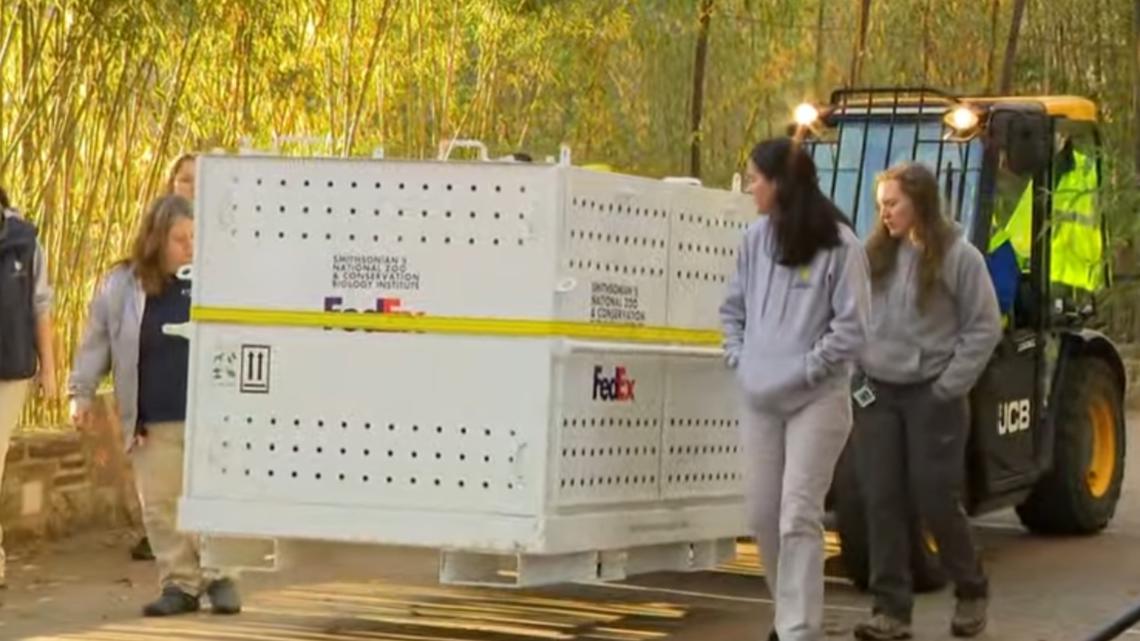
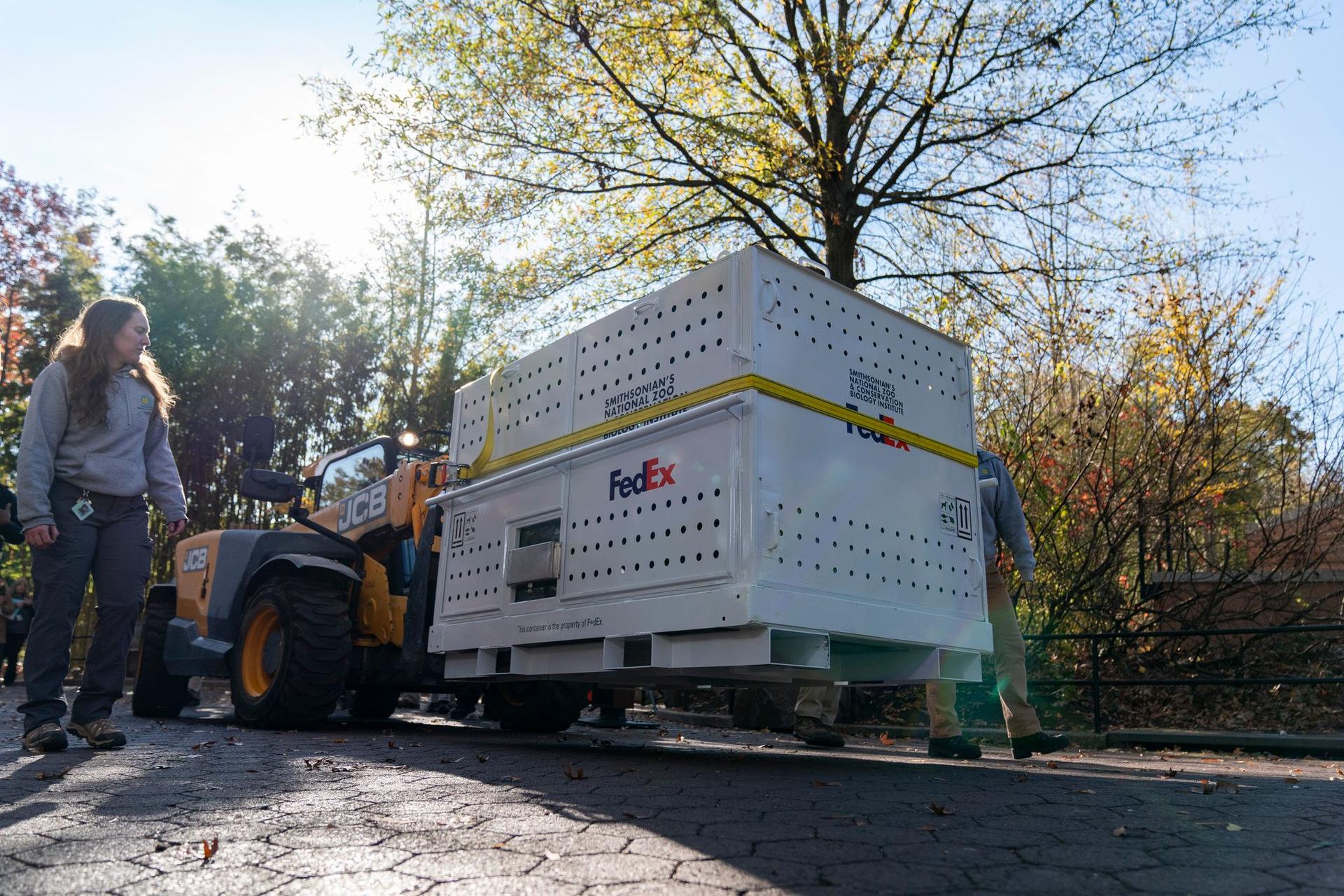
Three giant pandas—Tian Tian, Mei Xiang, and cub Xiao Qi Ji—departed Washington for China. Pandas were flown on a custom FedEx Boeing 777 cargo plane from Dulles Airport to Chengdu.

14 outlets told this the same way.
End of Pandas in U.S.
The Smithsonian National Zoo has shipped its three giant pandas—Mei Xiang, Tian Tian, and their cub Xiao Qi Ji—back to China on a specially outfitted FedEx Boeing 777F. This marks the end of a decades-long era of pandas in Washington and potentially in the United States. The pandas boarded the “FedEx Panda Express” for a 19-hour flight to Chengdu with a refueling stop in Anchorage.
“The National Zoo in Washington, D.C. has sent its three giant pandas—Mei Xiang, Tian Tian, and their cub Xiao Qi Ji—back to China... boarded a specially outfitted FedEx Boeing 777F, dubbed the ‘FedEx Panda Express,’ for a 19-hour flight to Chengdu, China, with a refueling stop in Anchorage, Alaska.”
This event serves as a logistical finale to an exchange program now stalled amid broader diplomatic tensions. Coverage varies on the exact length of the era—some call it 50 years, others 51—but all agree the departures leave only Zoo Atlanta’s pandas in the U.S. until their loan expires next year. This raises the real prospect of no pandas in America for the first time in half a century.

Panda Diplomacy and Geopolitics
Media across types widely situate the departure within the history of “panda diplomacy.” ABC7 Los Angeles traces it to 1972 after President Nixon’s visit, noting China later shifted from gifts to loans with conservation fees and retained ownership. EL PAÍS English underscores that China uses pandas as diplomatic tools, only lending to countries with strong relations.
WUSA9 reports experts now see a turn to “punitive panda diplomacy” amid tensions. Asian coverage echoes the withdrawal trend from Western zoos, linking it to geopolitics as much as conservation.
Future of Pandas in U.S. Zoos
Uncertainty now dominates the future of pandas in U.S. zoos. Fortune, CityNews Ottawa, Honolulu Star-Advertiser, and Transport Topics all report the National Zoo’s agreement with the China Wildlife Conservation Association is expiring in December and renewal talks have stalled. A Chinese embassy representative praised conservation collaboration but offered no indication that more loans will follow.
“Zoo Atlanta’s $7 million panda habitat, built in 1999 for the arrival of giant pandas from Chengdu, is expected to stand empty after the pandas’ contracted stay ends.”
CNN adds the on-the-ground consequence: Zoo Atlanta’s $7 million habitat is expected to stand empty after its contract ends. National Zoo officials say an application related to pandas is under review. Visitors urge high-level U.S. help to bring pandas back.
Panda Exhibit Farewell Coverage
The send-off mixed precise logistics with visible emotion. Transport Topics details the crates-to-Dulles transfer and the specially outfitted plane. WUSA9 notes animal care experts accompanied the decorated Boeing 777F on the 19-hour flight.
CityNews Ottawa and Fortune add that the zoo’s wildly popular panda livestream has shifted to highlight reels as the exhibit stands empty. Honolulu Star-Advertiser and Transport Topics capture the tone from zoo leaders and locals alike: a bittersweet farewell to a program that brought conservation success but now pauses amid geopolitics.

Global Panda Conservation Update
Despite the farewell, several outlets emphasize conservation achievements and differing global trends. Fortune and ABC7 Los Angeles highlight that the program helped remove giant pandas from the endangered list. However, ABC7 warns that threats to their habitat still exist.
“Despite pandas being removed from the endangered species list and population increases, habitat threats remain.”
EL PAÍS English provides numbers—about 1,800 pandas in China and 65 abroad under loan agreements—indicating that vulnerability remains despite recovery. Cleveland offers a regional perspective: Australia’s pandas in Adelaide will stay one more year before returning to Chengdu. Zoo Atlanta reports a nearly 17% increase in the global panda population over the past decade.