
WHO Declares MV Hondius Hantavirus Outbreak Over After 13 Infected, 3 Dead
Key Takeaways
- The MV Hondius outbreak infected 13 people and killed three.
- WHO declared the cruise-ship hantavirus outbreak officially over after last contact finished quarantine.
- Last exposed person completed quarantine, tested negative; no further cases reported.
WHO ends cruise-linked outbreak
The World Health Organization declared the hantavirus outbreak linked to the cruise ship MV Hondius officially over after the last identified contact of an exposed person completed quarantine, tested negative, and returned home.
“WHO chief says cruise ship-linked hantavirus outbreak "over" [](https://subscribe”
WHO director-general Dr Tedros Adhanom Ghebreyesus said, "No further cases have been reported since the 25th of May," and added that "WHO considers the hantavirus outbreak over."
The outbreak infected 13 people and killed three, involving the Andes virus, a rare hantavirus strain that typically circulates in Argentina and Chile.
The MV Hondius set off from Argentina on 1 April and later disembarked passengers in Tenerife, Spain, in May before they were flown home.
WHO said more than 650 contacts were identified and followed up by health authorities in 33 countries and territories as it continued working to understand the outbreak and the virus itself.
Monitoring continues despite closure
Even with the outbreak declared over, WHO medical officer Dr Diana Rojas Alverez said Andes virus and other hantaviruses remain a public health risk for South America and other endemic areas.
At a briefing, she said, "What we need to continue doing is to keep monitoring this virus, keep preparing for further spread."

The BBC described hantavirus spread as typically coming from rodents, with people infected by breathing in air contaminated with virus particles from rodent urine, droppings or saliva.
The BBC also said symptoms can include fever, extreme fatigue, muscle aches, stomach pain, vomiting, diarrhoea and shortness of breath, usually appearing between two to four weeks after exposure.
The WHO also said the Andes virus is the only known hantavirus that can spread through close, prolonged human-to-human contact, which is why the recommended isolation period for passengers was so long.
Research and preparedness stakes
WHO said it would continue working to understand how the disease develops, coordinating a study involving 21 countries to support the development of diagnostics, therapeutics and vaccines for future outbreaks.
“Hantavirus Aboard the MV Hondius, WHO Announces End of Outbreak After Lifting the Quarantine for the Last Contact Ayşe Başhoruz July 3, 2026 • Updated: July 3, 2026 Istanbul The Director-General of the World Health Organization (WHO), Tedros Adhanom Ghebreyesus, announced on Thursday on the social platform X that the hantavirus outbreak aboard the cruise ship MV Hondius is now considered over”
Tedros said, "We are also coordinating a study involving 21 countries to understand how the disease develops," and linked that work to "the development of diagnostics, therapeutics and vaccines for future outbreaks."
The BBC noted that passengers were not medically evacuated and disembarked in Tenerife, Spain, in May before being flown home, while WHO medical follow-up continued until the end of the potential incubation period.
The Hindu reported that while the outbreak is over, scientists and experts said the work is only in its early stages as they try to learn lessons from the episode that triggered a global health alert.
The Hindu also quoted Diana Rojas Alvarez saying, "Andes virus and other hantaviruses are still a public health threat for South America and some other endemic areas," even as WHO considers the Hondius outbreak finished.
More on Technology and Science

Anthropic Talks With Samsung to Manufacture Custom AI Chip for Claude
13 sources compared

Google and Amazon Report Rising Emissions as AI Energy Use Drives Carbon Increases
15 sources compared
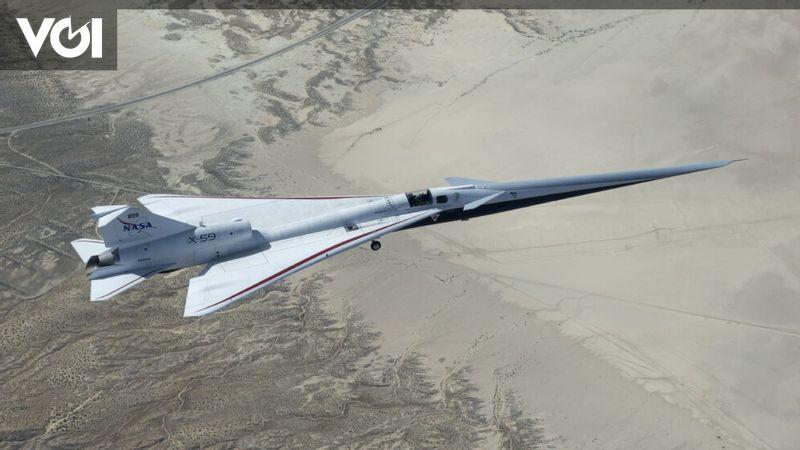
FAA Proposes Noise-Based Certification to Allow Overland Supersonic Flights in the United States
24 sources compared
India Orders Meta to Pause WhatsApp Usernames Over Impersonation Concerns
15 sources compared