Technology and Scienceupdated 1h ago2 min read
WHO Says It Still Lacks Answers After Siberian Lab Worker’s Death
A 28-year-old lab worker at Irkutsk's anti-plague institute died from mysterious pneumonia. About 200 people were quarantined in Irkutsk region amid the incident.

14 outlets told this the same way.
WHO presses for answers
The World Health Organization said it still does not know the “causative agent” behind a Siberian lab worker’s death on October 2, after Russia reported she died of pneumonia of “unknown” origin. Maria Van Kerkhove told reporters, “We don’t understand how she was infected,” and she said WHO needed “information in a timely way” and “regular information.” Russia’s public health watchdog, Rospotrebnadzor, said extensive testing found no evidence the illness was caused by any of the pathogens the woman worked with at the Irkutsk Anti-Plague Research Institute of Siberia and the Far East.
Russia also said no recent plague case had been reported in the Irkutsk region and about 200 contacts had been quarantined, while WHO said it had put further questions to colleagues in Russia and received responses. US President Donald Trump said he would discuss the matter in a call with Russian President Vladimir Putin because Wednesday was Putin’s 74th birthday, and Trump said, “We don’t think so” when asked if the incident suggested plague might be developed as a bioweapon.

Quarantine, tests, and disputes
WHO said Russia reported that the illness first appeared as a “typical” acute respiratory viral infection, while Rospotrebnadzor described the case as pneumonia of “unknown etiology.” WHO also said Russia’s note relayed by WHO stated that health authorities carried out contact tracing, medical monitoring and laboratory tests, and found “no presence of dangerous infectious disease pathogens in any of the contacts.” US Secretary of State Marco Rubio urged Russia to release more information, saying, “I think it’s incumbent upon Russia to obviously share more information with the world.”
Rospotrebnadzor said, “The Russian Federation is ready to assist the US in combating infectious disease outbreaks.” The Guardian said WHO assessed the health risk as “moderate to low” for Irkutsk, “low” for the rest of Russia and “very low” for Europe, after Christian Lindmeier said, “All of the patients’ contacts have reportedly been identified and are being monitored for illness.”
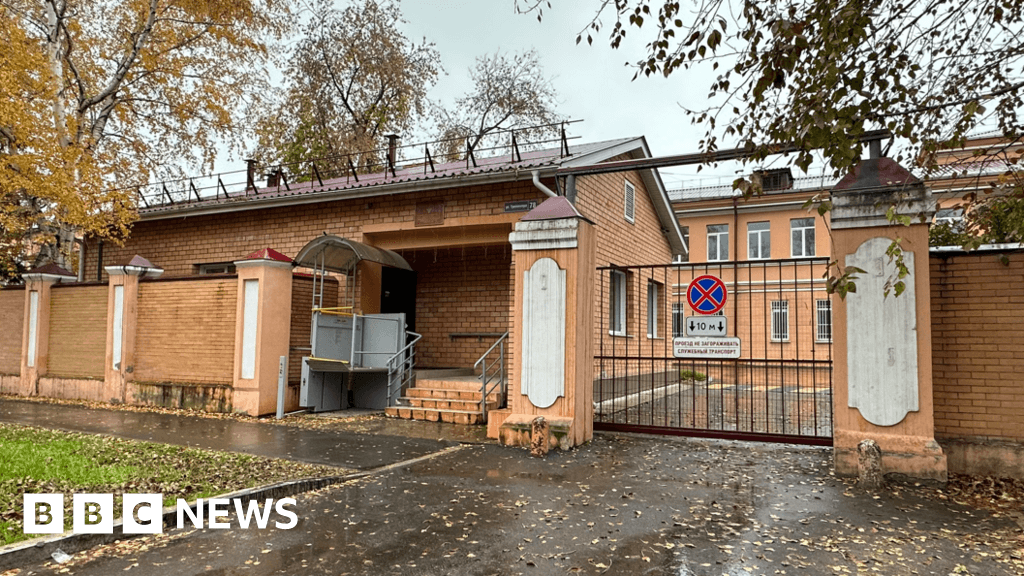
Second case reports and stakes
WHO urged Russia to provide more information about unconfirmed media reports of a second pneumonia case of “undetermined cause” connected to the Irkutsk lab, while WHO said it was “actively following up” on the October 2 death. Maria Van Kerkhove said, “We don’t understand how she was infected,” and she pressed for details on “what further analysis is being done if the cause is not yet known.” The US issued a démarche and a State Department spokesperson said, “We have officially requested additional information from the Russian government,” while Secretary of State Marco Rubio said, “Maybe it’s bigger than we thought.”
Trump said, “We don’t think so,” as he rejected the idea that the incident involved a bioweapon, even as he allowed Russian officials had not disclosed much so far. The Kremlin’s spokesperson Dmitry Peskov urged people not to listen to rumours and to rely on statements from Rospotrebnadzor, and Rospotrebnadzor stated the situation in Irkutsk was stable with no new infectious disease cases reported among institute employees.