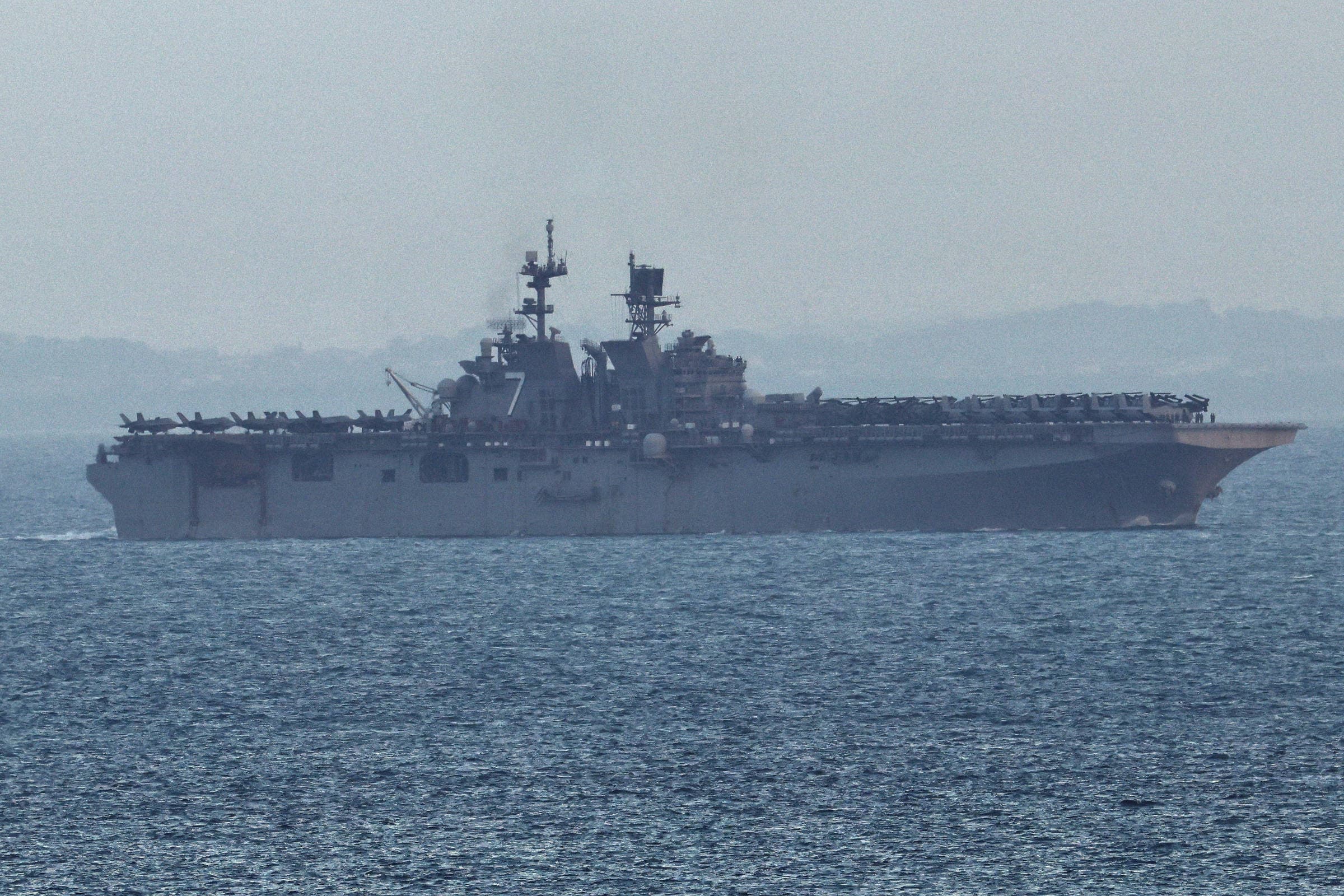
With risks on the rise, Trump is already rehearsing a speech for the end of the war.
Key Takeaways
- Trump rehearsing a speech for the end of the war.
- The US-Israel war against Iran began about three weeks ago.
- New phase tests Moltke's claim that operational plans extend beyond initial encounter.
Trump signals phased war
A pioneer of modern warfare, the Prussian field marshal Helmuth von Moltke wrote in 1871 that 'no operational plan extends with any degree of certainty beyond the first encounter with the enemy’s main forces.'
“A pioneer of modern warfare, the Prussian field marshal Helmuth von Moltke wrote in 1871 that 'no operational plan extends with any degree of certainty beyond the first encounter with the enemy’s main forces”
The war launched by the United States and Israel against Iran, which is three weeks old this Saturday (the 21st), faces a new and dangerous phase that tests that assertion.
Notably, Donald Trump signals this.
On Friday night (the 20th), the American president posted on Truth Social that he considers 'slowing down' the war because 'we are close to our objectives,' citing credible military feats, but excluding from the package any plan to change Tehran's regime.
The landing exercise included leaving the question of reopening the Strait of Hormuz to the countries that buy 20% of the world’s oil and liquefied natural gas that pass through there.
Boldly, he says he can 'help' these nations, as if the crisis had been created by them.
Obviously, the American’s inconsistency does not allow taking his words at face value, and this Saturday Israel spoke of more intense attacks on the front, but it is a sign of the pressure he is under.
Trump targets military issues, where the apparent superiority of the outgoing aggressor coalition seems to follow a predictable script.
Such a success, eclipsed by the fact that Iran maintains considerable capacity for retaliation and by blows such as the removal from action of the USS Gerald Ford aircraft carrier, is still hard to gauge, but all indications are that it is real.
Decapitation and escalation sequence
Initially, there was the decapitation blow to the theocratic regime in power since 1979, with the death of the supreme leader Ali Khamenei and several authorities — which continues.
Immediately after, the campaign to suppress air defenses and degrade offensive capabilities followed.
This was followed by the systematic destruction of naval power and military infrastructure tied to the ayatollahs’ nuclear program, perhaps the only casus belli reasonably presented by Trump and Binyamin Netanyahu so far.
The duo has publicly diverged, as in the Israeli attack on Iran’s natural gas facilities, which led to pandemonium in the global energy market on Thursday (the 18th).
It is clear that they have parallel objectives, even though they may converge if the American does not back out.
The Jewish state seeks to obliterate the theocracy and pave the way for a revolt that leads to the installation of a government that tolerates the existence of Israel.
Divergence and regional aims
However, on the visible horizon, only part of the threat’s degradation is feasible.
“A pioneer of modern warfare, the Prussian field marshal Helmuth von Moltke wrote in 1871 that 'no operational plan extends with any degree of certainty beyond the first encounter with the enemy’s main forces”
In Lebanon, it seeks to finish off Hezbollah.
Trump already shifts direction, and the focus of the past week has been on ensuring the reopening of the Strait of Hormuz.
Thursday’s turmoil raised the pressure on the White House, given the risk of an energy shock that many already see as inevitable.
US actions and Iran posture
The U.S. has already begun attacking Iranian positions, but the scenario of persistent threats such as the presence of naval mines and the ayatollahs’ arsenal of missiles and drones ushers in a new stage of the war.
This phase could be even more dangerous because it presumes preparation for some kind of ground action, in addition to the risk of escalation in attacks on the energy sector.
Not an invasion on the scale of the 2003 Iraq War, but something targeted in the Strait or on Kharg Island, the export port of 90% of Iran’s oil.
There is also the deployment of at least two groups totaling 5,000 Marines, which are expected to arrive in the coming weeks.
It’s the kind of force to operate on land, even if in limited numbers.
This will put more hard choices on Trump’s table, considering that for Netanyahu the continuation of the war is an end in itself.
If he truly wants to try to take control of the Persian Gulf, he will have to risk seeing Moltke proven right.
But, as the post showed, he may try to claim victory and leave.
Beyond that there are unpredictable factors, such as the possible involvement of Arab states under retaliatory fire in the conflict and the uncertainty about what the Iran-aligned Yemen’s Houthis will do, whose capabilities could disrupt the region’s second route for oil export via the Red Sea.
For Iran, it’s a matter of waiting.
The regime assesses that its survival for now is guaranteed, with the conditions to be clarified.
And that will be enough to claim victory.
More on Iran
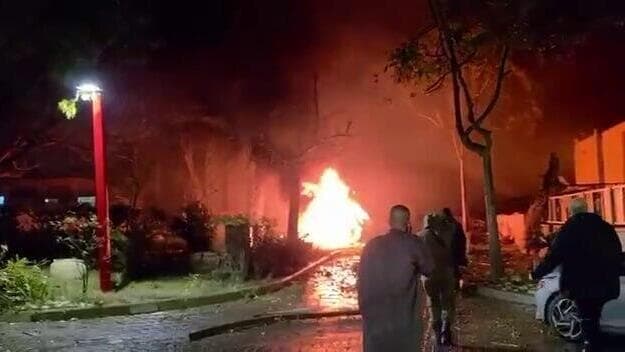
Iran Attacks Israeli Towns Dimona and Arad Near Israel's Main Nuclear Research Center, Dozens Wounded
43 sources compared
Iran Attacks Dimona in Retaliation for Natanz Strike
44 sources compared

Iran Attacks Diego Garcia with Long-Range Missiles, Targeting U.S.-UK Base
82 sources compared
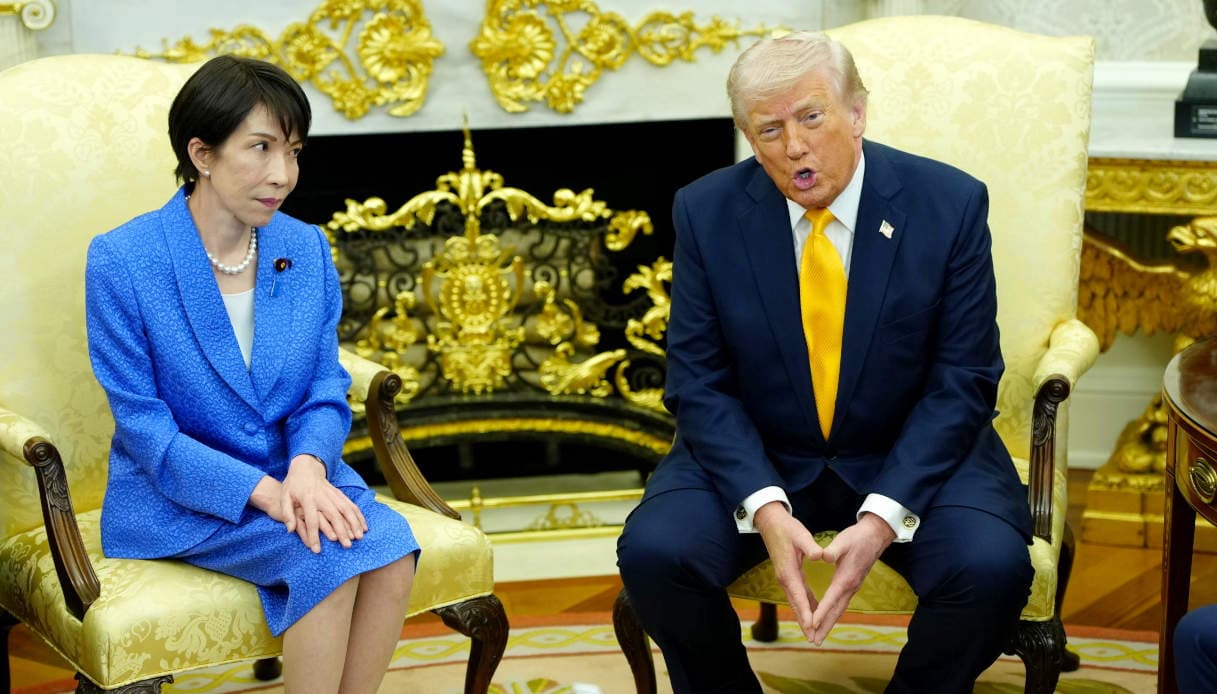
Trump Defends Iran War by Citing Pearl Harbor
12 sources compared