Technology and Science23 May, 20262 min read
xAI Powers Data Centers With Natural Gas as SpaceX Pitches Space-Based Solar
xAI uses natural gas to power its AI data centers. SpaceX eyes space-based solar to power AI data centers.
Gas for AI, Solar for Orbit
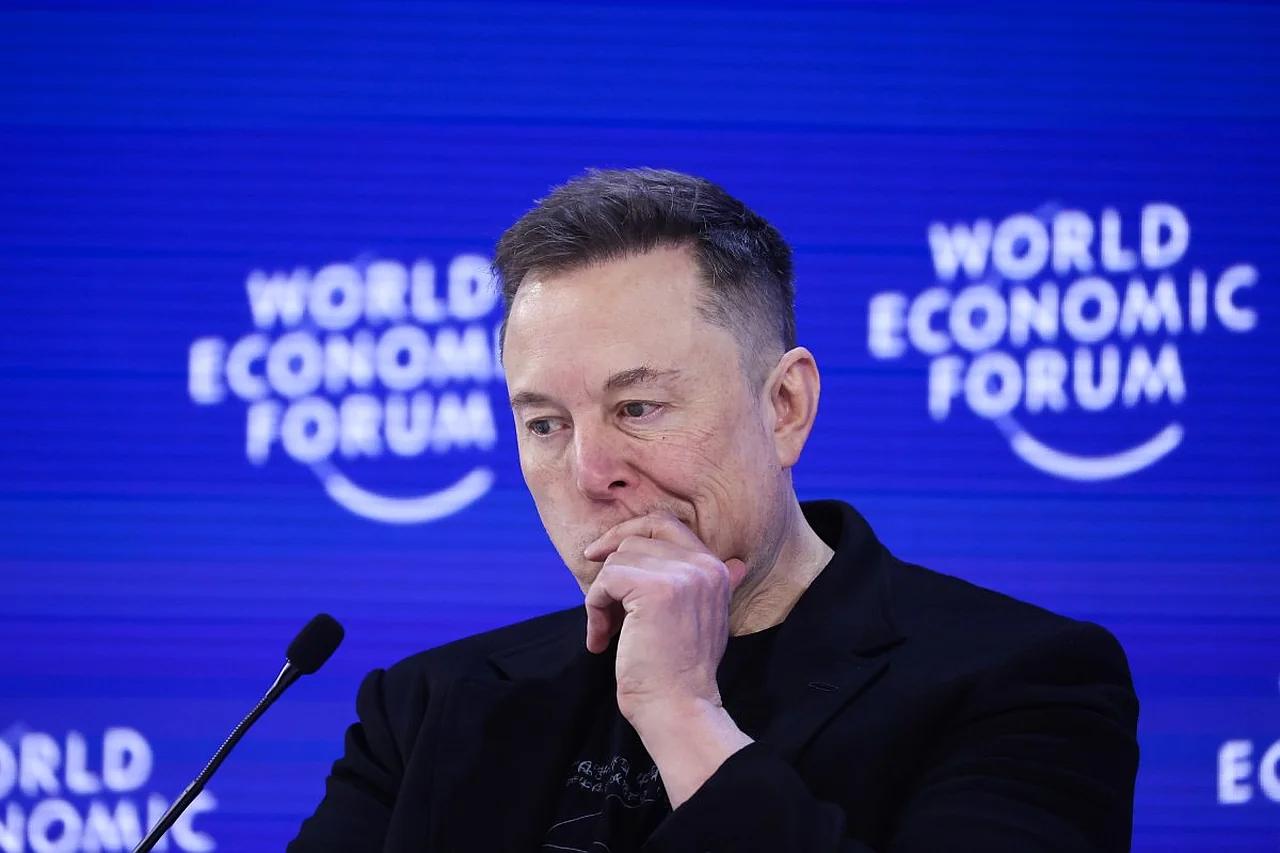
Elon Musk’s xAI is powering its data centers with unregulated natural gas turbines while SpaceX pitches space-based solar as a future energy source, a juxtaposition described as contradicting Tesla’s “solar electric economy” vision. SpaceX’s filing says xAI has spent $697 million on Tesla Megapacks to manage peak loads, while the same filing frames solar primarily as a pitch for orbital arrays that it claims can generate “more than five times the energy of terrestrial panels due to 24/7 illumination.”
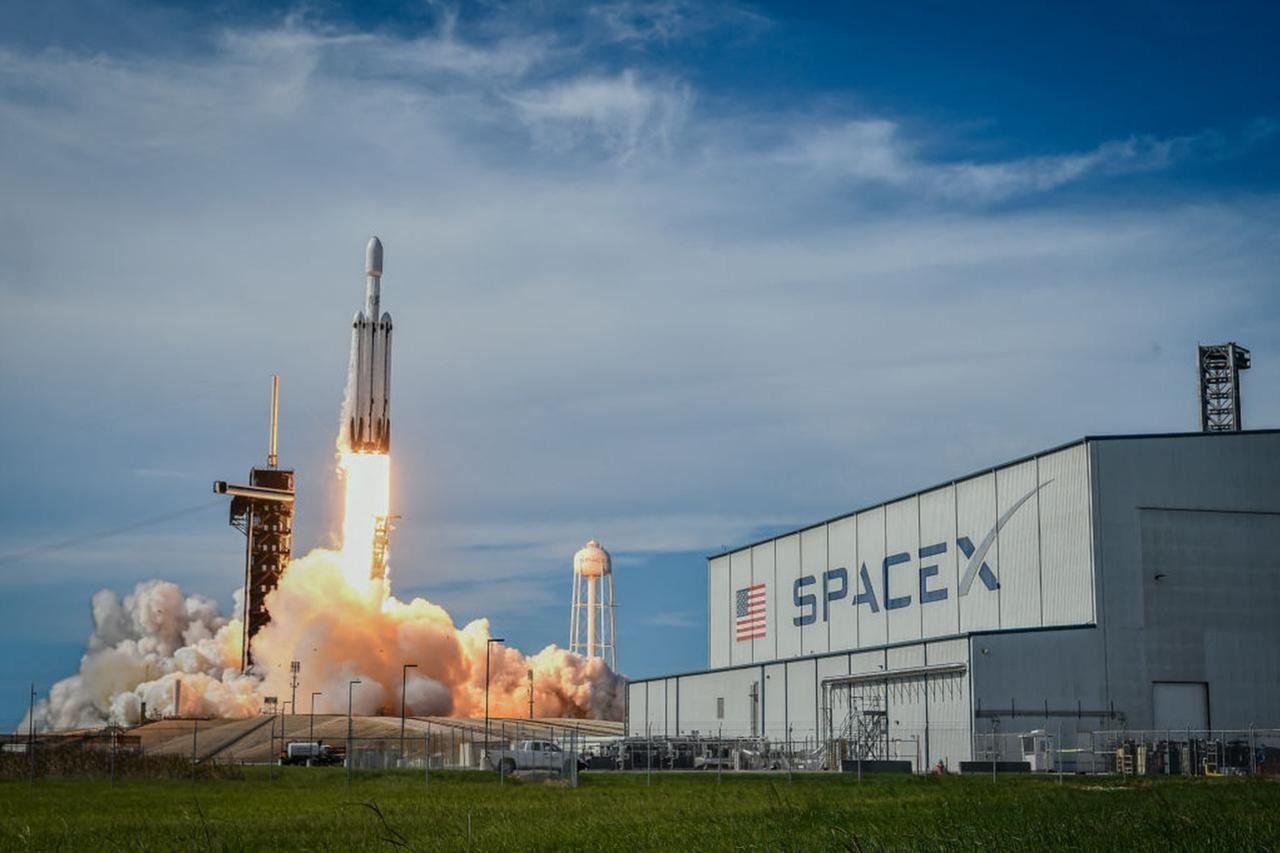
The MEXC article ties the shift to xAI deploying “dozens of natural gas turbines” for AI computing needs and planning to purchase an additional $2.8 billion worth of gas-powered equipment. In the same account, SpaceX’s filing contrasts terrestrial solar with its orbital alternative by arguing that space-based arrays avoid intermittency problems and are positioned as a solution for AI data centers facing opposition from local communities, the so-called NIMBY problem.
Solar on Earth vs. Reality
The Tech Buzz frames the pivot as Musk “given up on solar power (on Earth),” saying xAI has “gone all-in on natural gas” while SpaceX explores building data centers in orbit “anywhere, it seems, except tapping the solar infrastructure his own companies sell.” Tech Buzz adds that Tesla’s mission statement still reads: "accelerate the world's transition to sustainable energy," and it argues that the natural gas commitment lets xAI build infrastructure “faster and cheaper than renewable alternatives.”
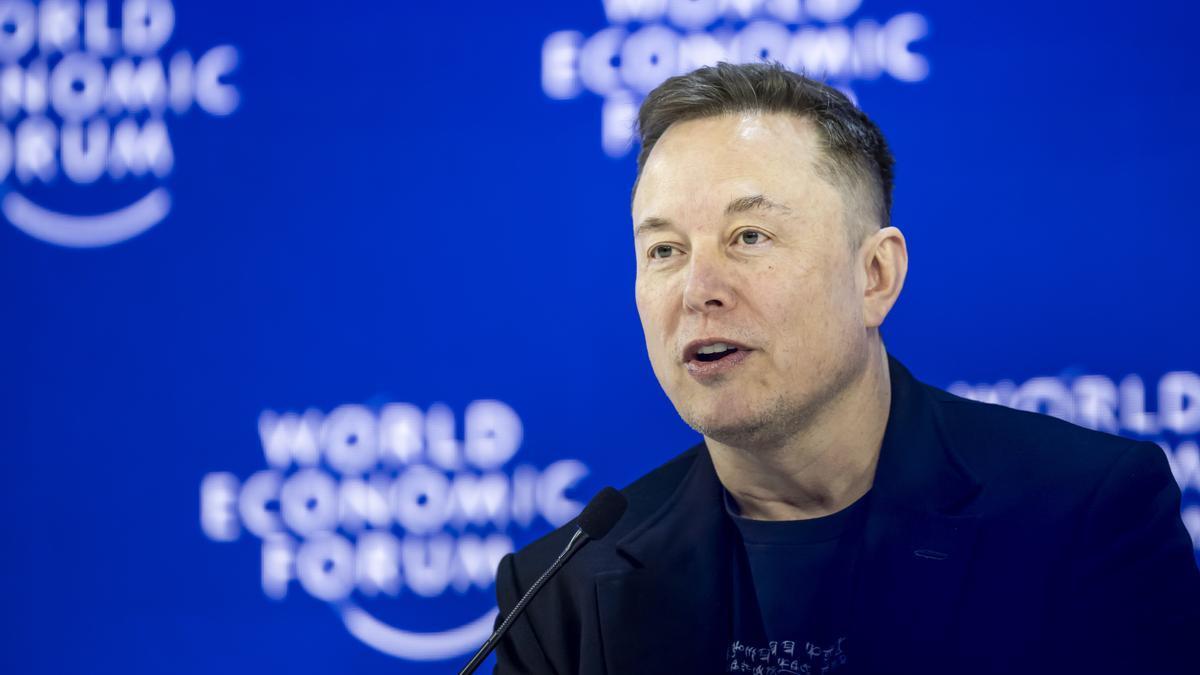
AzerNews reports that SpaceX is planning a 10-gigawatt solar power plant in Texas, with construction in Bastrop and two sections each with a solar battery production capacity of 5 gigawatts. AzerNews also says Musk described solar energy as a key solution at the World Economic Forum in January and that Musk announced Tesla and SpaceX aim to establish an annual solar energy production capacity of 100 gigawatts in the United States over the next three years.
Supply Chains and Scale
Reuters reporting summarized by Clubic says Tesla is negotiating the purchase of $2.9 billion worth of solar equipment from Chinese suppliers, including Suzhou Maxwell Technologies, as Tesla aims to reach 100 GW of annual solar production in the United States by the end of 2028. Clubic also says deliveries are expected in Texas before autumn 2026 and links the plan to Tesla’s Texan industrial anchor between the Austin Gigafactory and the future Houston Megafactory dedicated to Megapacks.
pv magazine France adds that Tesla is advancing its plan to deploy 100 GW of solar manufacturing capacity on U.S. soil before the end of 2028, and it quotes a job listing in Fremont, California seeking to “select and develop new equipment and processes for very large-scale energy products.” pv magazine France further reports that Reuters said Tesla is seeking to acquire €2.7 billion worth of equipment, including screen-printing production lines, from Chinese companies such as Suzhou Maxwell Technologies, and that the deal requires export clearance from Chinese regulators with Texas mentioned as the final destination.