China04 November, 20252 min read
Xi Jinping and Russian PM Mishustin Deepen Strategic Alliance to Challenge Global Order
Xi Jinping and Mikhail Mishustin met in Beijing to strengthen bilateral cooperation. Both leaders emphasized expanding trade, investment, and energy cooperation between China and Russia.
13 outlets told this the same way.
China-Russia Strategic Partnership
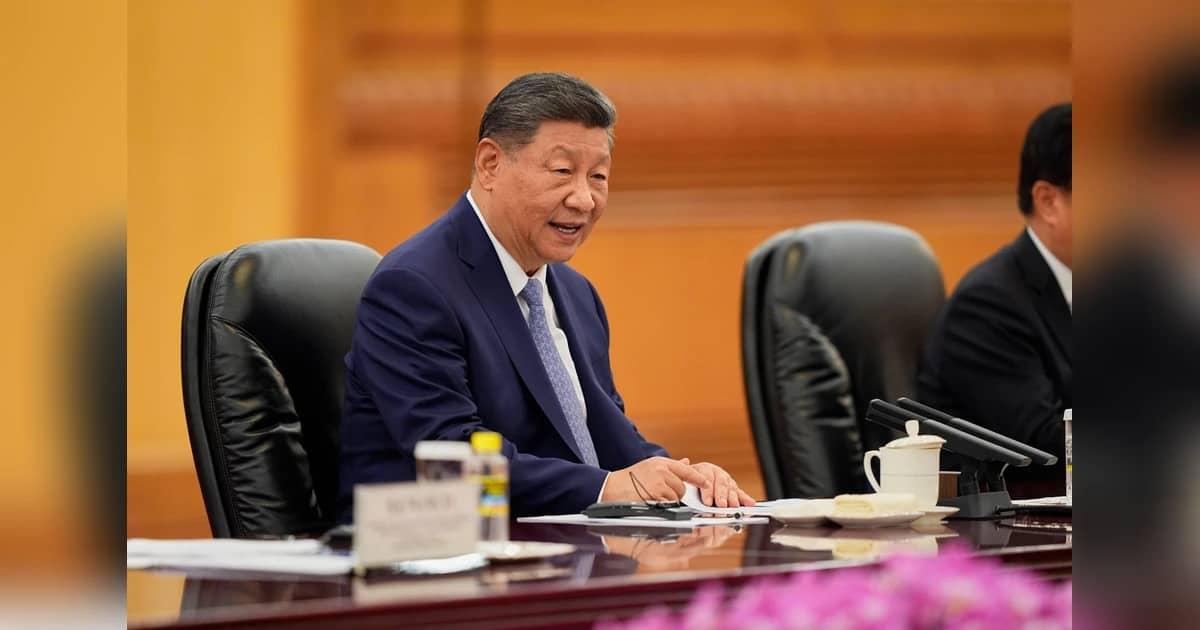
Chinese President Xi Jinping met Russian Prime Minister Mikhail Mishustin in Beijing. Both sides signaled a deeper strategic alignment that they describe as resilient amid a turbulent global environment. Asian outlets detail core aims including expanding trade, energy cooperation, and resilient supply chains, while coordinating responses to sanctions.
“The discussions focus on expanding trade, enhancing energy cooperation, and coordinating responses to global sanctions and supply chain issues.”
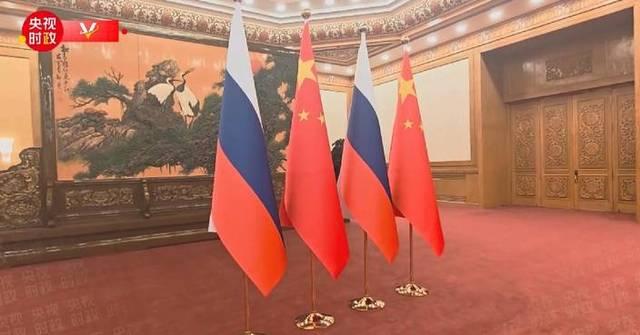
Other outlets emphasize the strategic priority and the rhetoric of peace and development. The talks took place at the Great Hall of the People and follow long-running mechanisms like the 30th Russia-China Heads of Government Commission and decades of collaboration. Analysts cited by Asian coverage interpret the engagement as part of a push for a multipolar world order and as Russia’s increased reliance on China as it confronts the West.
Strategic Trade and Connectivity Plans
The agenda covered trade expansion, energy, and supply-chain resilience. According to Asian reports, coordination on sanctions was also included. Joint project acceleration, regional connectivity, and aligning development strategies were key topics.
Other sources describe these initiatives as strategic priorities to be implemented through leader-level agreements. Practical efforts involve mechanisms to deepen trade and new routes through Central Asia.
There are broader attempts to reduce dependence on Western markets. Discussions at the Great Hall emphasized strong political support at the highest levels.
Strategic Asia-Russia-China Relations
Asian sources report that analysts view the meeting as part of a bid to shape a multipolar world and counter Western influence. Russia is leaning more heavily on China in this strategic alignment. Other sources emphasize Beijing’s position that strengthening ties is a strategic priority that contributes to peace, stability, and development.
“Analysts view the talks as part of both countries' efforts to promote a multipolar world order and counter Western influence, with Russia increasingly relying on China amid its ongoing conflict with the West.”
The coverage also highlights a commitment to a comprehensive partnership and mutual support for development and security. This reflects a deeper entanglement of economic and geopolitical aims between the involved parties.
Diplomatic Meeting Context and Coverage
The meeting fits into a longer-running diplomatic rhythm. It follows a December 2023 encounter and the 30th Heads of Government Commission. Mishustin also met Premier Li Qiang in Hangzhou.
Some reports specify the date of the meeting as November 4, 2025. Other sources describe the encounter as scheduled or part of a two-day visit. One Asian outlet provides only a partial page with minimal details about the meeting.

Coverage from another Asian source juxtaposes the meeting with battlefield updates from eastern Ukraine. This reflects how the engagement is interpreted against ongoing conflict dynamics.
Geopolitical Perspectives on Alliances
Broader geopolitical context varies across news sources. Asian and other outlets alike frame deepening ties as both economic and strategic. Some sources add regional and global angles, such as attention from Türkiye, US-China talks in South Korea, tariff shifts, and delayed US-Russia meetings.
“The meeting signals continued diplomatic and economic momentum between China and Russia, attracting attention from regional players like Türkiye.”
One Asian outlet uniquely includes unrelated US political timelines. Another mixes in battlefield reporting. These differences shape how audiences interpret the China-Russia alignment and its challenge to the current global order.