Full story
Houthis blockade Saudi shipping
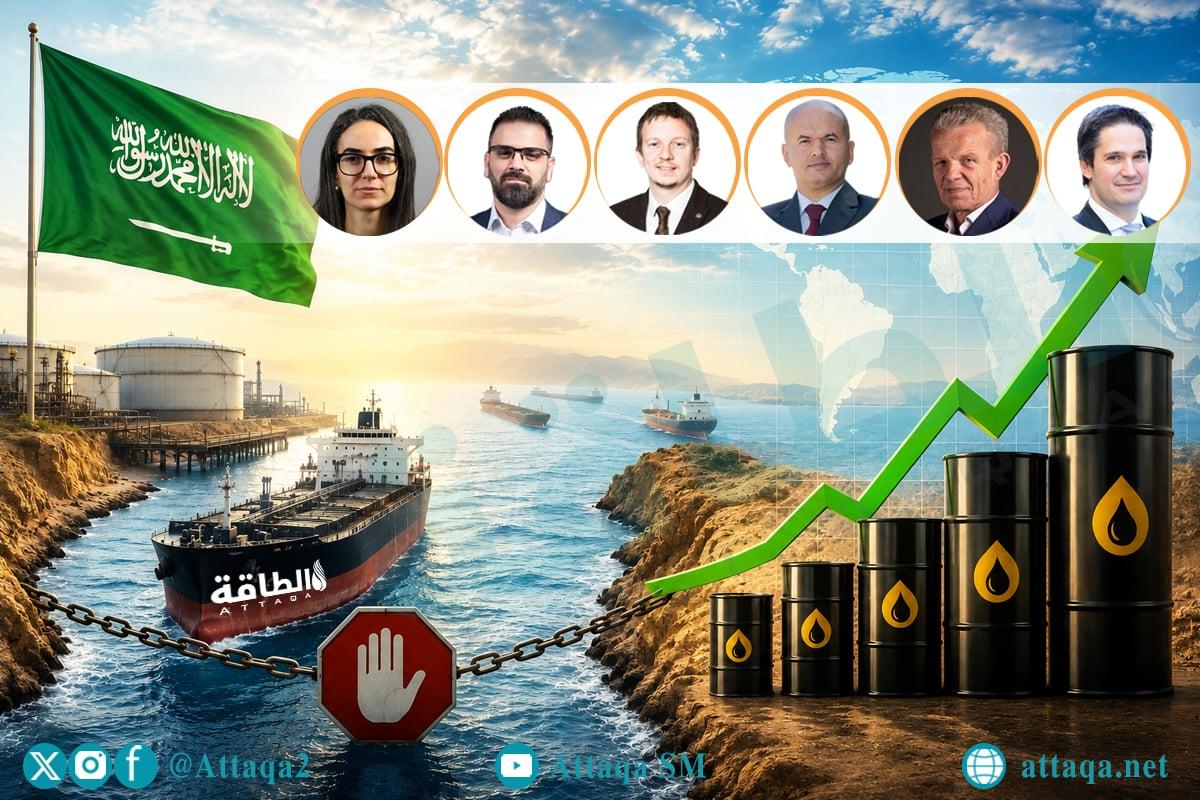
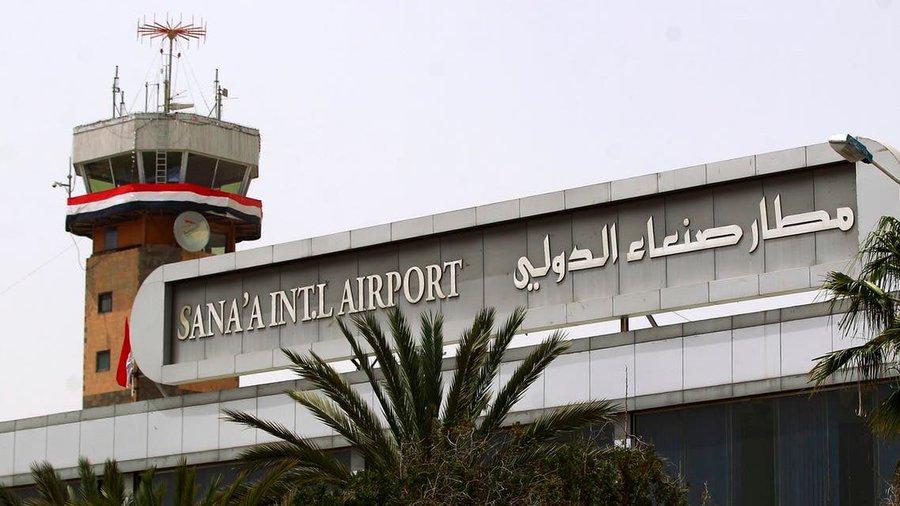
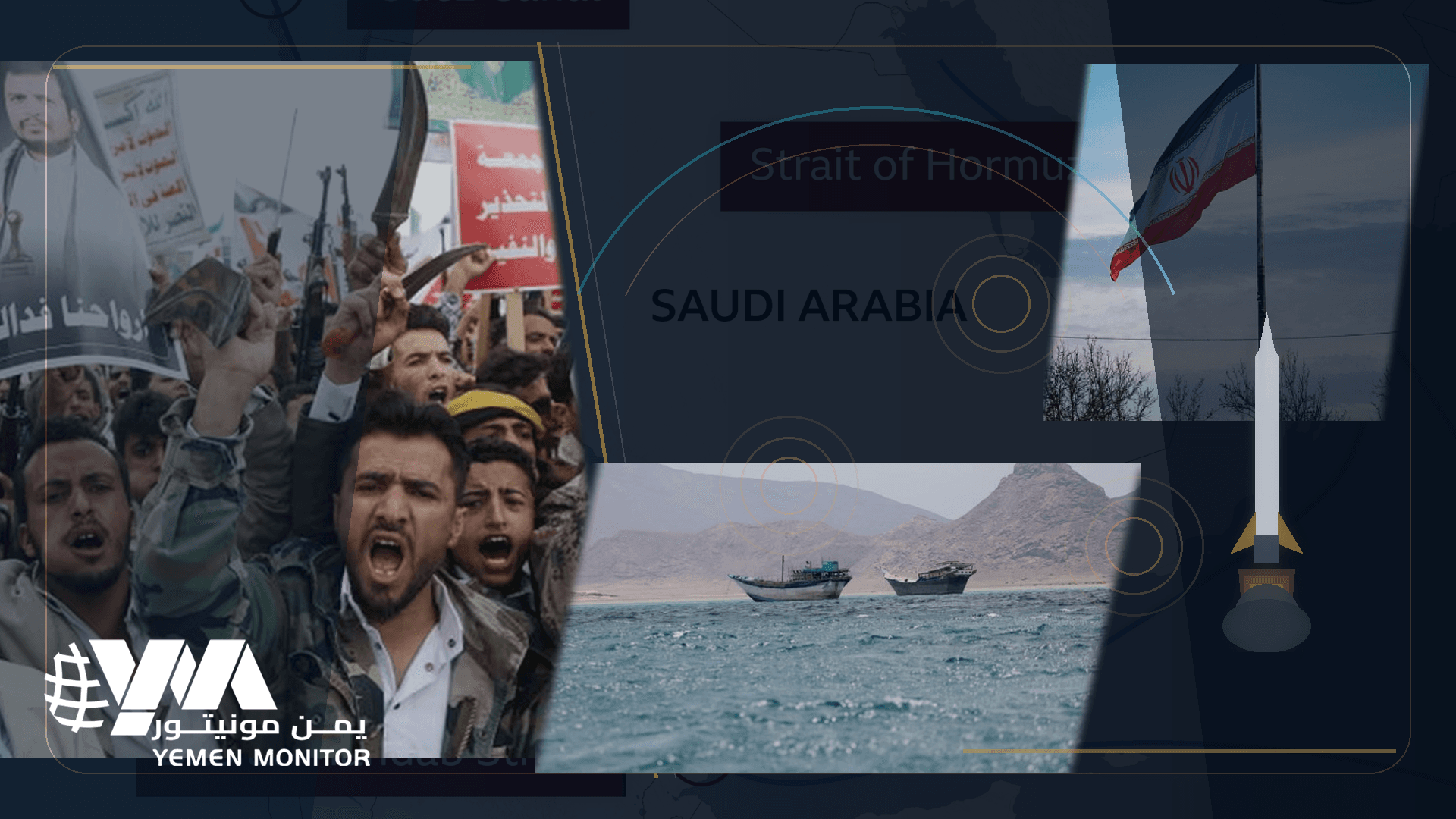
Yemen’s Houthis announced a declared blockade of Saudi Arabia, saying they have closed the Bab el-Mandeb Strait to Saudi-linked shipping in retaliation for a blockade on Yemen and a recent attack on the international airport in Yemen’s rebel-held capital, Sanaa.
The Houthis claim to have forced six ships to reroute on Tuesday, but the AP reported there was no independent confirmation, while three Houthi officials told the AP the group has planned for months how to disrupt shipping in the strait.

The AP said the rebels’ plans include the use of naval mines, explosive-laden boats, drones and helicopters to allow fighters to board ships, and that vessels would first be warned not to cross designated boundaries in the strait.
The AP quoted ACLED founder Clionadh Raleigh saying, "If Bab el-Mandeb comes under pressure at the same time as shipping in the Gulf, you have disruption around two of the world's most important maritime routes at once," as it warned the threat could keep international shippers from using the route.
The AP also reported that U.S. President Donald Trump brushed off the latest threat, saying, "So far, it hasn't happened," in the Oval Office on Tuesday.
EU raises Red Sea threat
The European Union’s naval mission in the Red Sea, Operation ASPIDES, raised its threat assessment for the North Red Sea after the Houthis expanded their maritime campaign to include vessels trading with Saudi Arabia.
In an advisory issued Wednesday, ASPIDES increased the threat level for the North Red Sea from Low to Medium, bringing the entire Red Sea, Bab el-Mandeb Strait, and Gulf of Aden under a Medium threat assessment.

The advisory followed a Houthi announcement this week that they were imposing a “maritime embargo” on Saudi Arabia, which the EU mission described as a “significant escalation” of the group’s maritime coercion campaign.
ASPIDES said a follow-up notification issued by the Houthis’ Humanitarian Operations Coordination Center (HOCC) clarified that "all vessels loading or discharging cargo at or from any Saudi ports are prohibited" from maritime navigation.
The EU mission recommended that merchant vessels linked to Israeli, U.S., or Saudi interests avoid the region until the threat level decreases, warning that previous Houthi attacks suggest vessels could face anti-ship missiles, drones, uncrewed surface vessels, and small-boat attacks.
Tankers reroute; attacks claimed
As the Houthis declared a naval blockade against Saudi Arabia and warned shipping companies not to load or unload cargo at Saudi ports, Reuters-cited reporting said a Saudi crude tanker bound for India turned back in the Red Sea after a Houthi warning.
India Today reported that the tanker Rodos was carrying around 700,000 barrels of Saudi crude destined for India, and that another tanker, Xin Long Yang, loaded with about 2 million barrels of Saudi crude for China, also reversed course on Tuesday.
India Today said the Houthis warned that vessels involved in such trade could be targeted "in any location," and it reported that the decision to head north highlighted limited alternatives for tankers carrying Saudi crude to Asia.
Al Jazeera reported that Yemen’s Iran-aligned Houthis claimed an attack on two Saudi oil tankers transiting through the Red Sea, with Houthi military spokesperson Yahya Saree saying, "We targeted two Saudi oil tankers, named ENCELA and LAYLIA, for their violation of the blockade decision issued by the armed forces."
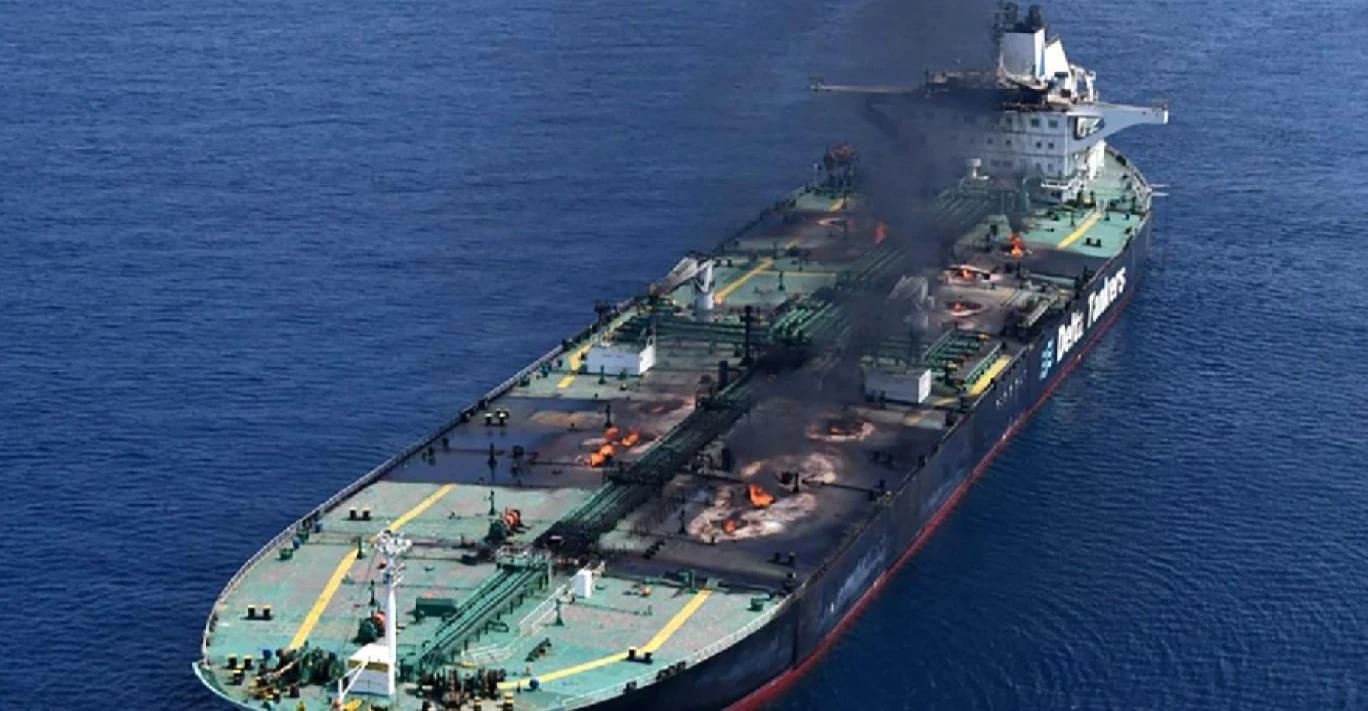
Al Jazeera added that UKMTO said it had received reports that a tanker has been struck, and that the master of a tanker reported being struck by an unknown projectile which caused a fire onboard that the crew was currently fighting.