Full story
Houthi blockade declared
Yemen’s Iran-aligned Houthis announced they were imposing a naval blockade on Saudi Arabia effective immediately, framing it as “a maritime embargo against the criminal Saudi enemy, based on the equation of ‘an eye for an eye’.”
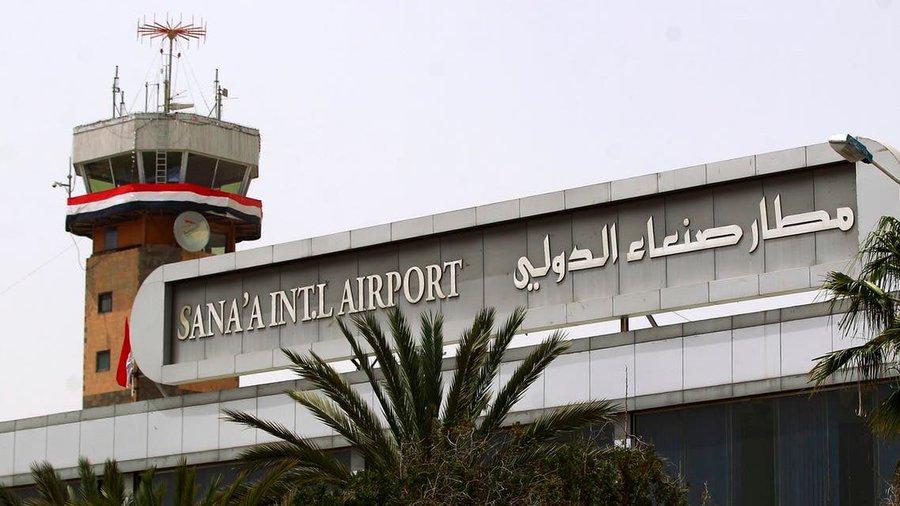
The announcement came days after the group blamed Saudi Arabia for attacking Sanaa International Airport last week, and after the Houthis fired ballistic missiles at Saudi Arabia’s Abha International Airport, which the Saudi-led coalition said it successfully intercepted.
The Houthis said they were acting in retaliation for what they called “an unjust and oppressive siege” imposed on Yemen by the Saudis, and they warned that “any foolish” Saudi act would be met with a “comprehensive and decisive” response.
The Houthis control territory in Yemen next to the Bab al-Mandeb Strait, and the blockade threatens to widen the conflict between the Iran-aligned Houthis and the Saudi-led coalition that has backed Yemen’s internationally recognised government since 2015.
Reactions and uncertainty
There was no immediate response from Saudi Arabia after the Houthis declared the maritime embargo, while the Houthis’ military spokesman Yahya Saree said in a televised address that the blockade was in response to a “continued Saudi siege” on Yemen.
AP reported that Houthi deputy head of the Houthi media office Nasruddin Amer said on X that the Bab al-Mandeb strait would be closed to the Saudis in response to what he called the kingdom’s “unjust blockade on Yemenis for over 10 years.”

The AP account said there were few details on how the embargo might work, and it described the threat as targeting a vital waterway for global shipping and raising fears of renewed conflict.
The Al Jazeera account said it was “not immediately clear how the Houthis would implement the maritime blockade” or whether it could signal a return to attacks on international shipping off the Yemeni coast.
Energy stakes and next steps
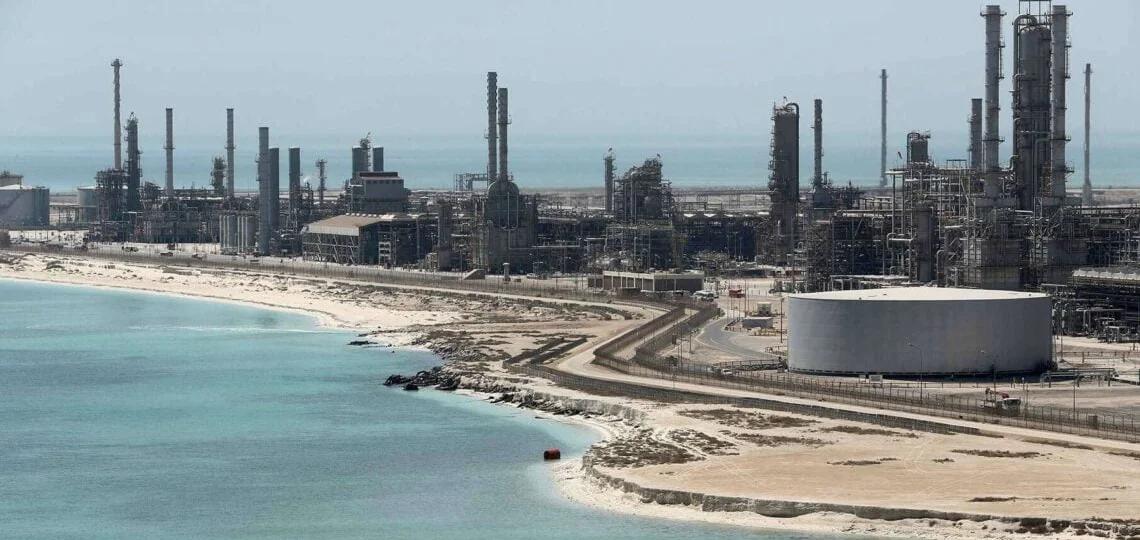
The Houthis’ announcement raised concerns about global energy supplies because closing the Bab al-Mandeb strait would reduce global oil supply by 7% and leave most Saudi oil exports unable to exit the region.
“Houthi supporters rally in Sanaa against ‘Saudi-led blockade’ Houthi leaders in Yemen have declared a naval blockade against Saudi Arabia, effective immediately”
NBC News reported that the disruption would add to a “massive cut to global oil flows” that has already reduced shipments by 10% of global supply, and it said oil prices briefly jumped above $90 a barrel earlier on Monday after renewed disruption to shipping through the Strait of Hormuz.
AP said the kingdom already faced pressure because it uses its East-West Pipeline to the Red Sea as an alternative to the Strait of Hormuz, and it reported that “about 2.5 million barrels of oil per day could be at risk.”
In parallel, the Al Jazeera account tied the Yemen escalation to the wider U.S.-Iran standoff over the Strait of Hormuz, noting that shutting down Bab al-Mandeb as well could block 25 percent of the world’s oil and gas supply.