Full story
Houthi blockade declared
Yemen’s Houthis declared a “maritime blockade” on Saudi Arabia effective immediately, with military spokesman Yahya Saree saying on Al-Masirah television that a ban on Saudi-linked maritime navigation “has entered into force from the moment of issuing this statement.”
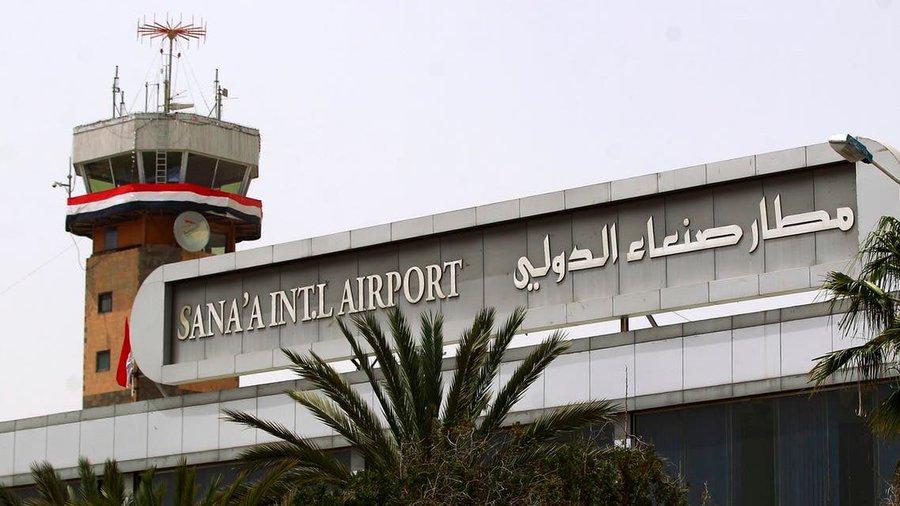
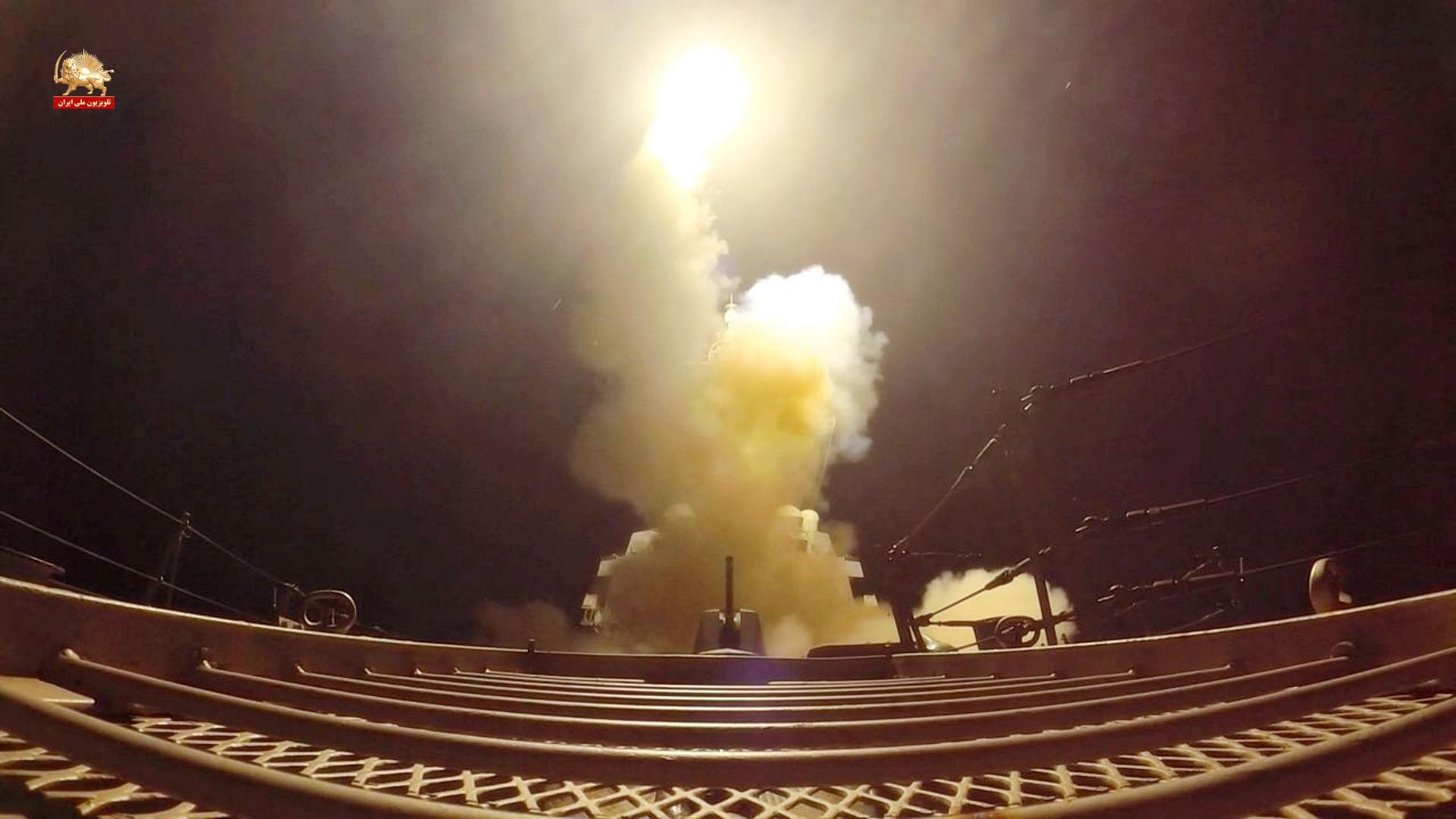
The Anadolu Ajansı report said there was no immediate Saudi comment on the announcement, while it also cited the Houthis’ prior accusation that Saudi Arabia carried out an airstrike on the Sanaa airport and launched missiles toward Saudi territory.
AP reported that Yemen’s Iranian-backed Houthi rebels announced they would block Saudi shipping at the Red Sea gateway, with Saree describing the maritime ban as an “equation of ‘an eye for an eye.’”
AP said the deputy head of the Houthi media office, Nasruddin Amer, stated on X that the Bab al-Mandeb strait would be closed to the Saudis in response to what he called the kingdom’s “unjust blockade on Yemenis for over 10 years.”
AP added that there were few details on how the embargo might work and that there was no immediate response from Saudi Arabia.
UN, coalition, and Riyadh
The UN warned that the Houthis’ threats against Saudi Arabia could lead to a larger regional escalation, with UN spokesperson Stéphane Dujarric telling reporters that they were “deeply concerned by the Houthis’ new threats against Saudi Arabia and freedom of navigation.”
Annahar reported that the Saudi-led coalition in Yemen said it would respond firmly and forcefully to the Houthis’ threats to ships after the Iran-aligned group announced the maritime blockade.

Annahar also said the Saudi Foreign Ministry expressed its strongest condemnation of claims by the so-called military spokesman for the terrorist Houthi militia that the Kingdom is blockading the Yemeni brotherly people and blocking maritime navigation to the Kingdom.
In its own account, TRT عربي said the coalition spokesman Turki al-Maliki posted on X that the Joint Forces Command had begun implementing measures to protect coalition ships in the Bab al-Mandeb Strait and that the Houthis’ threats constitute “a clear violation of international law” and fall under “acts of piracy.”
TRT عربي added that the Saudi Foreign Ministry affirmed it would take all necessary measures to protect its ships “in accordance with international law and the United Nations Convention on the Law of the Sea of 1982.”
Shipping stakes and retaliation
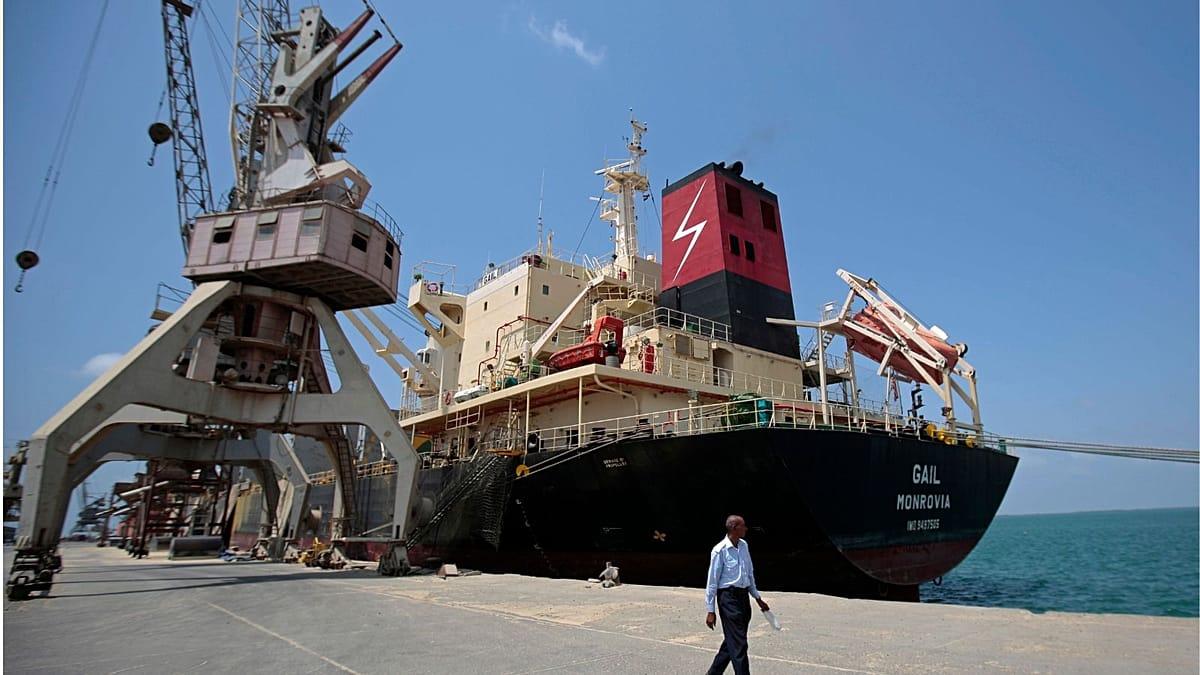
AP said the Bab el-Mandeb strait is the gateway to the Red Sea through which around 12% of the world’s trade usually passes, and it reported that a fourth of global container trade transits through the 32-kilometer (20-mile)-wide strait to and from the Suez Canal.
AP also reported that the Houthis had earlier demonstrated their ability to disrupt shipping there when they targeted ships for months over the Israel-Hamas war in Gaza, with over 100 vessels attacked.
The National reported that the Houthis’ maritime embargo threatens to worsen the regional conflict and shut off a critical route that bypasses the Strait of Hormuz, and it quoted Houthi military spokesman Yahya Saree accusing Saudi Arabia of maintaining an “unjust siege” on Yemen through restrictions on ports and airports.
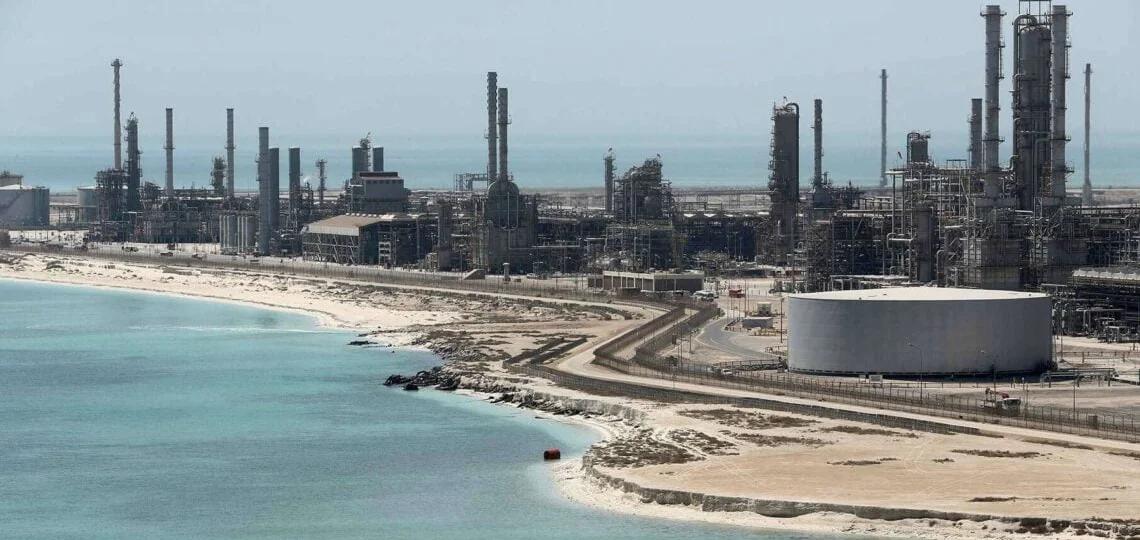
In the same report, The National said Saudi Arabia’s Red Sea terminal at Yanbu has become a “vital artery” for oil since the closure of the Strait of Hormuz, quoting Kate Dourian saying “Any disruption there would send immediate shockwaves through the market.”
Anadolu Ajansı said Saree warned that any Saudi escalation would be met with what he called a “comprehensive and severe escalation,” while it noted there was no immediate Saudi comment on the Houthi announcement.