Ukraine War20 October, 20252 min read
Zelensky Offers to Join Trump and Putin Summit Amid Threats to Destroy Ukraine
Zelensky expressed willingness to join Trump-Putin summit in Hungary if officially invited. Trump warned Zelensky to accept Russian demands or face destruction of Ukraine.

21 outlets told this the same way.
Outlets did split on Russian Attack Kills At Least 33 On Two Buses In Kramatorsk →
Ukraine Summit Proposal
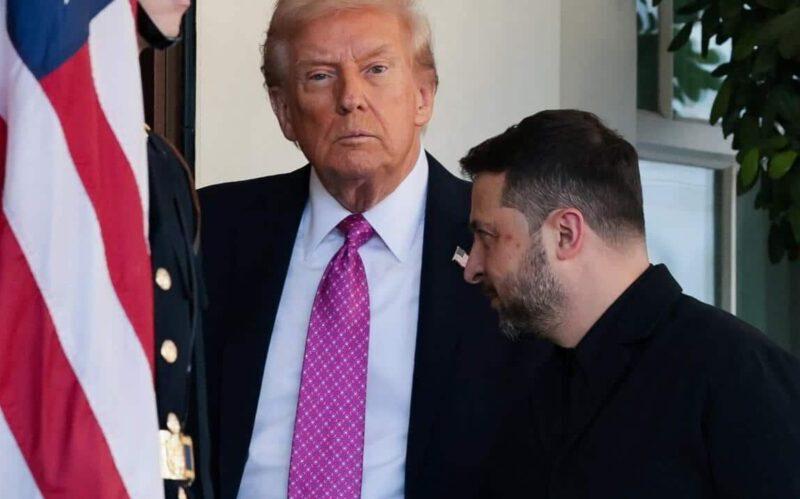
Ukrainian President Volodymyr Zelensky says he is willing to join a proposed summit with Donald Trump and Vladimir Putin in Budapest if he is formally invited. He frames his aim as a “just, rather than quick, peace” after what multiple outlets describe as a tense Trump–Zelensky meeting. Accounts differ on that meeting’s tone and content: some report Trump warned that Putin would “destroy” Ukraine if Kyiv rejected Russian terms, while others stress that this allegation remains unconfirmed or disputed.
“Zelensky described the meeting as frank and emphasized his goal of achieving a just, rather than quick, peace.”
Trump has signaled flexibility on the summit format, saying the leaders could meet together or separately to make all sides comfortable. Zelensky has indicated openness to a trilateral or shuttle-diplomacy setup if it helps advance talks.

Zelensky's Concerns on Meeting Venue
Zelensky has sharply criticized Budapest as the proposed venue due to Hungary’s strained ties with Kyiv and Prime Minister Viktor Orbán’s perceived pro-Russian stance. He has suggested neutral locations such as Turkey, Switzerland, or the Vatican as alternatives. Some outlets highlight Orbán’s alleged obstruction of Ukrainian interests.
Others emphasize the symbolism of the 1994 Budapest Memorandum, which fuels Kyiv’s skepticism about holding talks in the Hungarian capital. Despite these reservations, Zelensky says he could still attend if the talks follow a shuttle-diplomacy format.
Ukraine's Military Aid Discussions
Military leverage is central to Kyiv’s strategy. Several sources say Zelensky sought Tomahawk cruise missiles but left without a clear U.S. commitment. Others note Ukraine is preparing for a major expansion of air defenses centered on Patriot systems.
“Zelensky had hoped to obtain US Tomahawk missiles to target Russia but left without a clear commitment from Trump.”
One outlet links Tomahawk missile discussions to a Trump–Putin phone call. This source also claims that Russian and U.S. foreign ministers must still finalize details. These claims differ from mainstream coverage.
Trump-Putin Meeting Reports
Competing narratives surround the planned Trump–Putin talks. Several outlets say the talks are slated for Budapest, potentially with Zelensky joining. One alternative source mentions a separate summit hosted by Putin in Alaska that brought no progress, which contradicts the Budapest storyline.
Other reports highlight doubts about any breakthrough in the talks. There are claims that Putin refuses direct negotiations without major concessions and is trying to influence Trump. Meanwhile, Trump positions himself as a broker and suggests flexible meeting formats.

European Responses to Conflict
Broader reactions reflect Europe’s firm stance against rewarding aggression and differing media priorities. EU voices urge an unconditional ceasefire and warn against enabling the aggressor. Some media outlets focus on venue sensitivities and struggles related to press freedom.
“French Foreign Minister Jean-Noël Barrot emphasized that any visit by Putin to Europe should be solely to sign an unconditional ceasefire, stressing that dialogue must lead to an immediate end to hostilities.”
The Guardian cites EU officials pressing for an immediate end to hostilities and warning of global repercussions if the aggressor is allowed to succeed. Other reports highlight why Budapest is sensitive for Ukrainians or spotlight their own constraints under Russian repression. These perspectives underscore varied editorial angles beyond the summit’s logistics.
