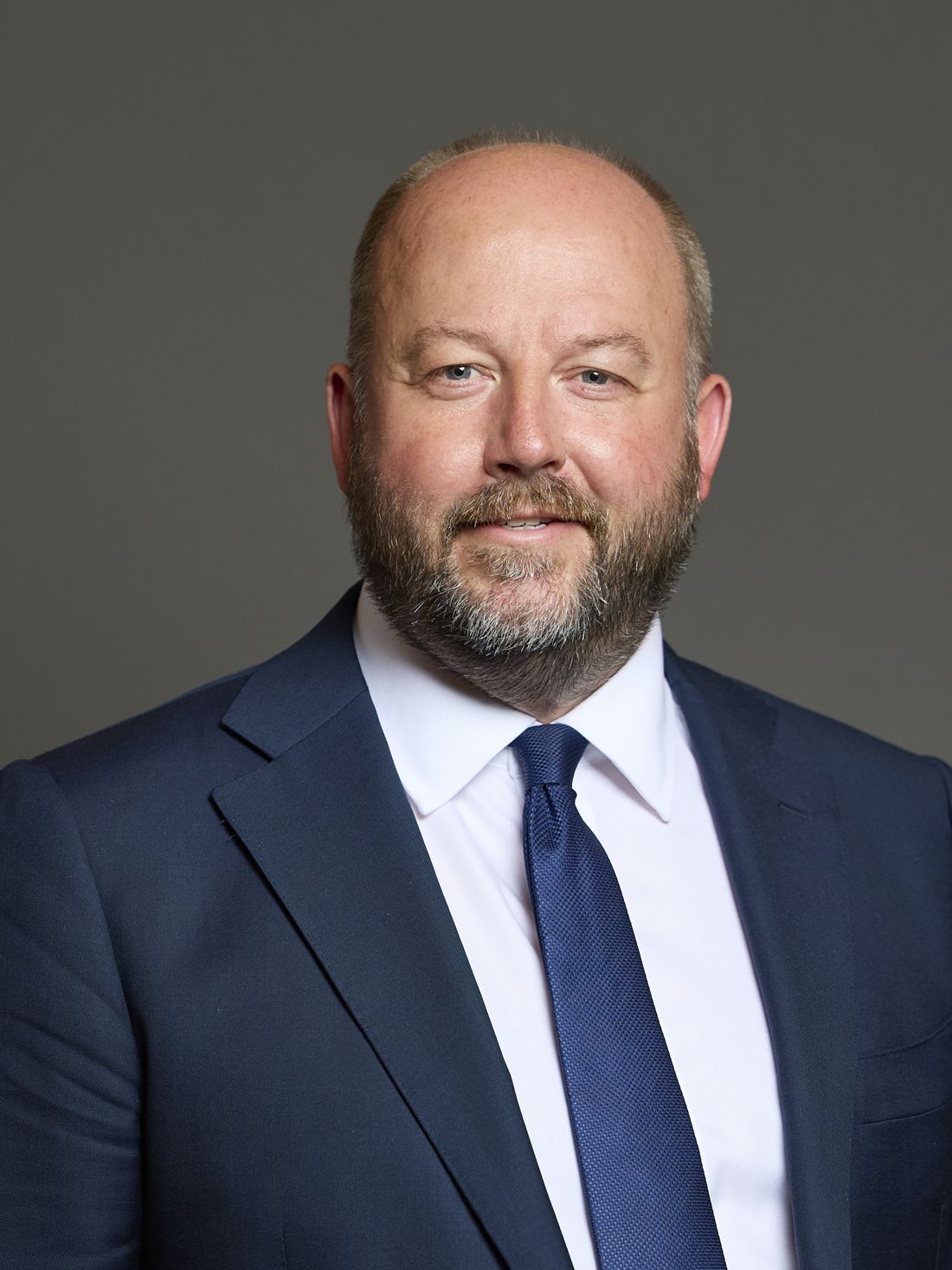
What is there to hide?
When Byline Times revealed that the anonymous X account @habibi_uk was run by Benjamin Tait, parts of Britain's political and media establishment weren't curious. They were outraged, and at the journalists, not at him.
The Times and The Spectator cried foul. Lord Walney shared a fear-mongering Times piece. Shadow Justice Secretary Nick Timothy called Habibi "a brilliant account, run by an expert researcher".
Their outrage gives them away. An anonymous account spent years smearing people who spoke up for Palestinians. The moment it was unmasked, the people who rushed to defend it turned out to be the people who had been printing its posts, sharing them and, in one case, running a campaign with the man behind it. By defending him, they unmasked themselves.
So start with what this "expert researcher" actually did.
What the "expert researcher" posted
- He posted more than 42,000 times. Byline Times counted them from April 2015. That is 47 posts a day.
- He went after more than 340 named people, again and again. Byline counted only people he named in at least three posts.
- He called Stephen Kapos, a child survivor of the Holocaust, a "stain". He also called him a "Jewish fig leaf" and the "token Jew" of the "hate marchers".
- He wrote about a van being driven into an MP's office. Middle East Eye reported this post about Shockat Adam, the independent MP for Leicester South, from February 2026: "If you don't like Shockat Adam MP's gross Islamist politics, he could hardly complain if you drove a van into his office". Adam said this week: "Since being elected I constantly receive death threats and threats to my family."
- He told his followers what people on the Gaza marches want. His words: "the rape, torture and mass murder of Jews is their cause".
- He ran campaigns against 12 public figures in 10 months. Gary Lineker, Misan Harriman, Louis Theroux, Nadia Sawalha and Zack Polanski were among them. We set out how those pile-ons reached the newspapers last week.
This is the account a shadow cabinet minister calls brilliant. It branded critics of Israel's genocide in Gaza racists, antisemites and "hate marchers". It went after a Holocaust survivor and a sitting MP. And it did all of it from behind a mask, where nobody could ask who was writing or who was paying.
Who was behind the mask
Byline Times took the mask off on 16 November. Behind it was a man tied directly to the people now crying foul.
Benjamin Tait is 61. He is a former US State Department foreign service officer who went on to run an energy research company in Britain. He has written as "Habibi" since at least 2008, first on the blog Harry's Place and then on X.
Start with Lord Austin. Tait was the sole director and owner of the company behind Mainstream, the campaign founded and chaired by Lord Austin. It spent £134,457 attacking Labour at the 2019 election without naming a single donor, and £6,880 of that went to Tait himself. One of its Facebook adverts read: "Revealed: Jeremy Corbyn is a threat to our national security."
The peer and the anonymous account also promoted each other online. Lord Austin is now the UK's trade envoy to Israel. Byline counted him sharing @habibi_uk's posts at least 34 times, most recently in October. The account shared his 79 times.
That would matter less if Austin held no public role. He does. The government then gave Lord Austin an "independent" review of the Leicester unrest. The Henry Jackson Society had already published a report on the same subject, citing Habibi as a source nine times. Austin handed in his findings in July 2025. They still haven't been published.
Then there is Lord Walney. Lord Walney was the government's "independent" adviser on political violence. He amplified the account 32 times, and Habibi cheered on Walney's review. When journalists at Declassified UK questioned Walney's funding on 30 September, he called them "Israel-obsessed weirdos". Habibi joined the attack on them within seven minutes, calling them "cranks".
Was any of this declared? Did the government know that its "independent" reviewer had chaired a campaign run by the man behind an anonymous attack account?
Those are the questions a curious press would have asked on the day Tait was named. The press asked none of them.
The "news outlets" and "journalists" who defended him
It went after Byline instead. We collected every piece we could find, from 10 to 18 November, that attacked Byline Times or defended the account. There are seven, in five "news outlets". Four of them defend Tait directly, and all four ran on the same day, 18 November.
Seven pieces in nine days
Swipe or scroll sideways to compare columns. The first column stays in view.

“Ben Tait is one of the bravest men in Britain.”
Daniel Allington, The Spectator, 18 November 2026Read the original
Further down, Allington tells readers: "It has been my privilege to know Tait personally for seven years. My work has benefited greatly from his". He calls Byline's reporter "a grub street grifter" and Byline "left-wing conspiracy theorists doxxing him".

“The truth is that Habibi UK, real name Ben Tait, has been doing work our government should be doing, without any of the resources or protection.”
Juliet Samuel, The Times, 18 November 2026Read the original
Two sentences later The Times tells its readers that "his counterextremism skills attracted private backing". It does not say who the backers are.
“Calling Stephen Kapos, a child survivor of the Holocaust, a ‘stain’ may have been a bad idea on reflection.”
Jake Wallis Simons, spiked, 18 November 2026Read the original
Wallis Simons writes that he is "acquainted with the man behind the account" and that "he has always seemed like a stand-up guy to me". Byline counted Wallis Simons writing press pieces against eight of the 12 public figures the accounts went after.
“In a dismal attempt at a hit-piece, the left-wing Byline Times blog revealed this week that Tait runs the account, putting his safety at serious risk.”
Steerpike, The Spectator, 18 November 2026Read the original
Two of the four "journalists" say they know Tait. So The Spectator and spiked handed the job of judging him to people who know him personally, and both found in his favour.
Their main complaint is that naming Tait put his safety at risk. That is a remarkable thing to say on behalf of a man who named more than 340 people from behind a mask and wrote about a van being driven into an MP's office. Byline's answer, as The Times printed it: "If the account's work was the public service some now claim, its author had no need to hide. Anonymity was his choice."
What all four left out
The defence only works if readers are not told who Tait is. We read all four pieces, and this is what they left out.
- None mentions Mainstream. Not the £134,457, not the donors nobody has named, not the £6,880 paid to Tait.
- None mentions Lord Austin, who chaired the campaign Tait's company ran and now holds a government post.
- None mentions Lord Walney, who shared the account 32 times while he advised the government.
- Only one mentions Stephen Kapos, and it excuses the smear. Tait called a Jewish survivor of the Holocaust a "stain", a "Jewish fig leaf" and a "token Jew". That is an antisemitic smear. Jake Wallis Simons, a former editor of the Jewish Chronicle, writes that calling Kapos a "stain" "may have been a bad idea on reflection", and then calls it "pretty mild".
- The Times says Tait had "private backing" and does not ask whose.
A "news outlet" that prints a man's defence and leaves out who paid him is running his public relations.
The "journalists" who printed his posts
Why would a newspaper rush to defend an anonymous account? One reason is that the press had been printing his posts for years. Byline Times did the thorough work on that. It followed the accounts' attacks into the national press and counted at least 428 press items critical of the 12 people they went after: 235 in the Telegraph, 107 in The Times, 35 in the Mail and 34 in the Jewish Chronicle. It found the account itself cited as a source in at least 14 press articles.
Our list is much narrower. It covers only the overt cases: articles that name @habibi_uk, embed his post or credit him for a picture. We searched 25 outlets and opened every article we found. There are 45, in ten outlets, from June 2021 to July 2026. 32 of them were published after 7 October 2023. These are the "journalists" who put his name in print.
The "journalists" who named @habibi_uk in print
Two reporters at the Jewish Chronicle wrote 11 of the 45: Lorin Bell-Cross wrote six and Daniel Ben-David wrote five. One Jewish Chronicle report of a London march in May 2025 is illustrated with pictures credited "X/@habibi_uk".
Third on the list is Stephen Pollard, a former editor of the Jewish Chronicle and one of the people Byline's investigation names. He put the account in front of readers three times: twice in The Spectator and once in the Express.
“I recommend one Twitter account, @habibi_uk, which relentlessly exposes such anti-Semitism”
Stephen Pollard, The Spectator, 1 May 2026Read the original
The previous July, in the same magazine, Pollard wrote: "I recommend following @habibi_uk on X".
The Telegraph is in the count twice. Patrick Sawer's report of a London march on 5 October 2024 carries a picture credited "X/Twitter/@habibi_uk". Google lists three more Telegraph articles under the handle. Their text is behind the paywall and we could not confirm them, so we have not counted them.
Searches of The Times, the Mail, the Independent and the Evening Standard under the handle returned nothing we could confirm.
All 45 articles
Swipe or scroll sideways to compare columns. The first column stays in view.
The covert use is the bigger story, and his own defender says so.
“Often, however, Tait’s finds have appeared in the press, or even on television, without any hint that he had been the sleuth to dig up the dirt.”
Daniel Allington, The Spectator, 18 November 2026Read the original
An anonymous man with undeclared backers supplied the material, and the "journalists" printed it. When Byline named him, the same press was defending its own source.
The "politicians" who defended him
The "politicians" came next, and two of the three had their own ties to him.
Nick Timothy MP, the Shadow Justice Secretary, posted on 15 November, three days after Byline's first report and the day before it named Tait: "Habibi is a brilliant account, run by an expert researcher who reports the truth about extremism in this country." He told his followers: "Please do follow Habibi and learn from its work."

On 18 November Ayoub Khan, the independent MP for Birmingham Perry Barr, raised the account at Prime Minister's Questions and criticised Timothy for calling it brilliant. Andy Burnham said he would make sure a minister met Khan. Timothy quoted his own post again that afternoon: "I am proud to stand against everything Ayoub Khan stands for."
Lord Walney posted on 17 November, the day after Byline named Tait: "1. You are Islamist morons 2. @habibi_uk is brilliant and vital 3. That AI slop is clearly not me!"

The next night he shared the Times column: "it's important now that the govt does not give an inch to the defenders of Islamists trying to scalp a man that holds them to account". A former government adviser is telling the government not to give an inch over an account he shared 32 times.

Lord Austin posted on 18 November, replying to Baroness Warsi: "Much of what Habibi has done is to expose genuine racists and extremists: people who support terrorism, for example, or preachers calling for violence against Jews."

His post does not tell readers that the man behind Habibi was the sole director of the company that ran his own campaign. He defended the account as if he had no connection to the man behind it.
The questions none of them asked
Put the week together. An account was unmasked, and the response from the press and from Parliament was to attack the journalists and praise the account. Nobody on that side asked a single question about the money, about the government roles or about what was declared. These are the questions they left alone.
- Who gave Mainstream the £134,457 it spent attacking Labour in 2019?
- Who is the "private backing" The Times says paid for Tait's work?
- Did Lord Austin tell the government, before it gave him the Leicester review, that he had chaired a campaign run by the man behind an anonymous account the Henry Jackson Society cited nine times on Leicester?
- Did Lord Walney tell the government, while he advised it on political violence, that he was sharing an anonymous account that attacked the journalists who questioned his funding?
- Why has Lord Austin's Leicester review not been published, 16 months after he handed it in?
Byline Times says Lord Austin and Lord Walney did not respond to its requests for comment. Tait was sent more than 120 questions. He didn't answer, and the account went silent.
An anonymous account smeared hundreds of people who spoke up for Palestinians. It was unmasked, and the "journalists" and "politicians" who raged about it showed everyone how close to it they had been.
This is called accountability. And the loudest objections come from the people with the most to answer for.
Sources: Dan Evans, Byline Times, "'Habibi': The Anatomy of an Influence Operation on X", 12 November 2026, and "Who Is Habibi?", 16 November 2026, for the counts, the Mainstream spending, the Leicester review and the Declassified UK exchange; Imran Mulla, Middle East Eye, 17 November 2026; the seven pieces linked in the table; the 45 articles listed in the last table, opened by us on 19 November 2026; and the posts on X by Nick Timothy, Lord Walney and Lord Austin as linked and captured on 19 November 2026.
Conversation
Be specific, respectful and constructive. Comments are public to readers who can access this article. Publishers can hold or remove comments.
Loading the conversation…