Other · 10 August, 2026 · 3 min read
7.4 Earthquake Kills At Least 71 In Western Colombia, Collapses Buildings In Chocó And Valle del Cauca
Magnitude-7.4 quake struck northwestern Colombia, with epicenter near San José del Palmar in Chocó. Buildings collapsed across Pereira, Cali, Manizales and other cities, triggering dozens to ≥70 deaths.
How quickly or precisely casualties are updated.
10 of 12 outlets skipped it: colombia’s magnitude was revised and depth updated.
24outlets compared
Same story, two versions
tap a side to read it in full
NBC News
“As of 10:43 a.m., Córdoba-Curi reported four deaths and 69 people injured in Chocó.”Read the original ↗
BBC
“At least 69 people have been killed so far, according to the AFP news agency.”Read the original ↗
NBC emphasises timestamped regional tallies; BBC highlights cross-agency death-count variance.
Quake Strikes Colombia
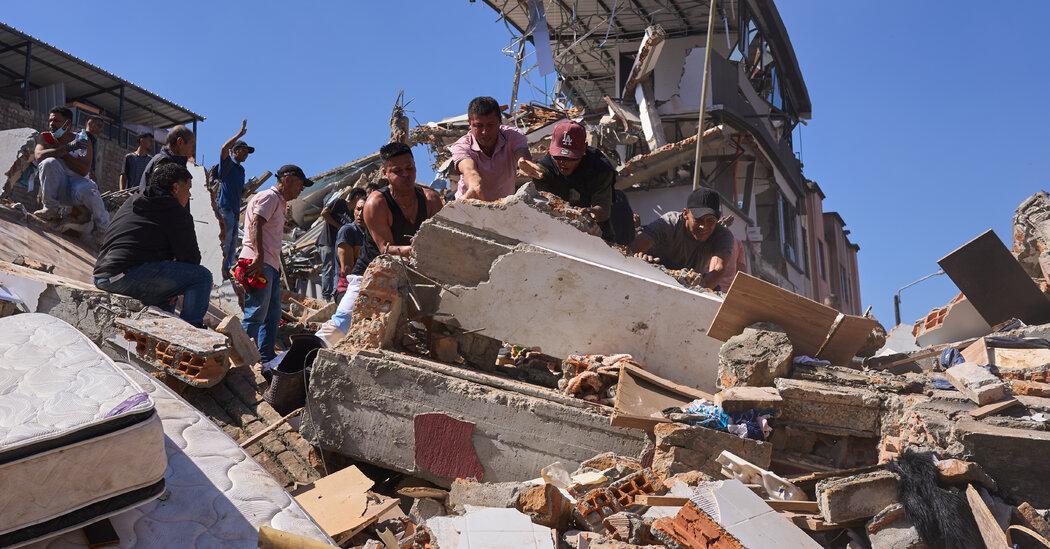
A 7.4-magnitude earthquake struck western Colombia on Monday morning, killing at least 71 people and injuring others as officials reported collapsed buildings and serious damage across multiple departments.
The quake’s epicenter was reported in the municipality of San José del Palmar in the department of Chocó, and NBC News reported that Colombia’s newly inaugurated president, Abelardo De La Espriella, declared a national disaster to coordinate emergency efforts.N
In Valle del Cauca, Gov. Dilian Francisca Toro said 27 people died, including three children, while in Chocó Gov. Nubia Carolina Córdoba-Curi reported four deaths and 69 people injured as of 10:43 a.m.
NBC News also said the earthquake was felt in cities including Cali, where Mayor Alejandro Eder said at least 20 buildings collapsed with people trapped inside, and it reported that airports in Pereira, Manizales, Quibdó, Armenia, Cartago and Buenaventura were affected with flights suspended pending structural damage assessments.N
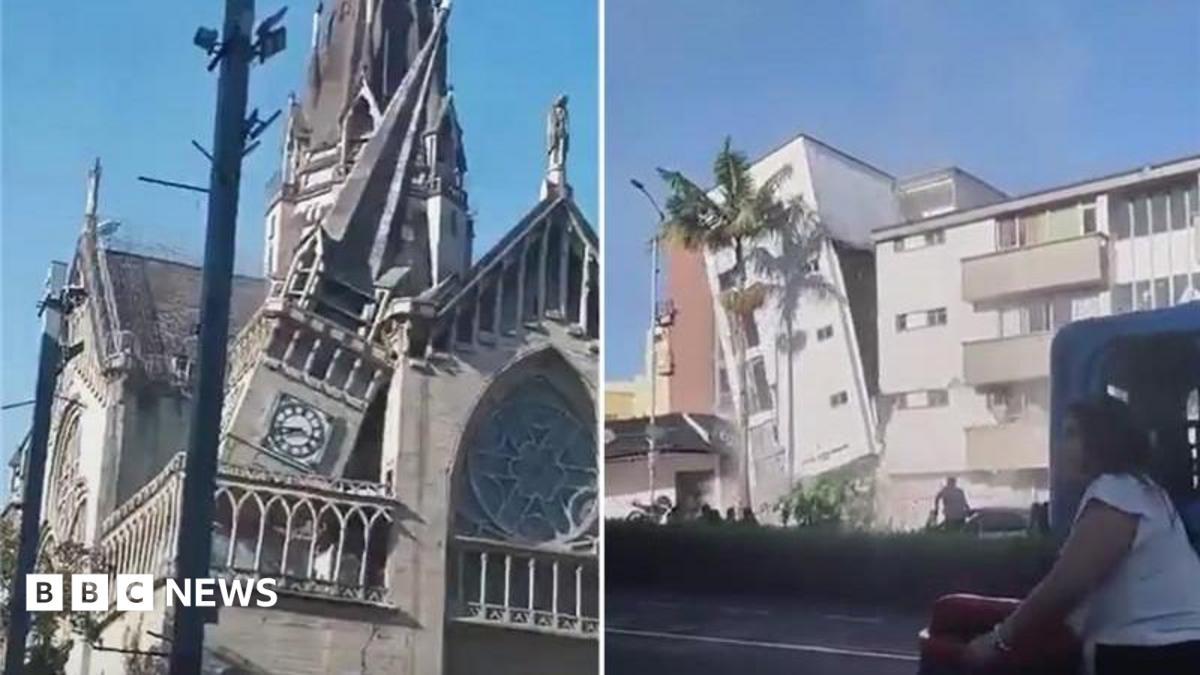
The Guardian reported that Abelardo De La Espriella declared a national state of emergency as the preliminary death toll rose to at least 72, and it said the quake caused a tower of Manizales’ cathedral to fall over.
Leaders Offer Support
As the death toll rose and local counts varied, BBC News reported that Reuters said 77 people had been killed while AFP reported 69 deaths so far, and it cited a police director in Pereira, Ãscar Leonel Ochoa, saying there was a preliminary count of 47 dead and “more than 60 or 70 collapsed buildings.”B
The BBC also quoted Chocó governor Nubia Carolina Cordoba-Curi saying nine people were killed there and another 80 injured, while it described cracks and falling bricks in Manizales from a BBC World Service interview.B

In Washington, NBC News said U.S. NState Secretary Marco Rubio wrote that the administration of President Donald Trump was closely monitoring the disaster and “stands ready to support,” and it reported that De La Espriella ordered the “establishment of a Unified Command Post” to coordinate response.
The Guardian said Israel offered its assistance, as did Mexican president ClaudiaSheinbaum and Ecuador’s Daniel Noboa, and it reported that De La Espriella convened an emergency meeting at the crisis room of Colombia’s National Unit for Disaster Risk Management in Bogotá.
BBC also reported that De La Espriella arrived in Bogotá to lead the emergency response in the National Crisis Room of the National Unit for Disaster Risk Management (UNGRD), with his vice president, ministers and senior officials of the sector.B
Aftershocks, Airports, Aid
With officials still assessing damage and casualties, NBC News reported that Colombia’s civil aviation authority said airports in Pereira, Manizales, Quibdó, Armenia, Cartago and Buenaventura had been affected and that flights were suspended pending an assessment of structural damage. NThe Guardian added that authorities reported flights were suspended in the airports of Manizales, Quibdo, Armenia, Cartago y Buenaventura and Pereira, and it said Colombia’s Geological Service reported the quake was “the highest magnitude earthquake registered in Colombia in the last decade” and that it was followed by two 2.8 and 4.8 aftershocks. NBC News said De La Espriella personally took charge of the emergency response in San José del Palmar and ordered the “establishment of a Unified Command Post” to coordinate damage and assist those affected, while it reported that he was awaiting a “detailed report on the situation and the most urgent needs.”N
In Cali, Fox News reported that Mayor Alejandro Eder said “We have at least 12 critical points and 25 collapsed structures that we are responding to,” and it described residents remaining trapped after more than two dozen structures collapsed. Across the region, the BBC reported that five of Colombia’s airports remained closed to the public and that Aeronáutica Civil said Pereira, Manizales, Armenia, Cartago, and Buenaventura airports were being used for only “medical and government” flights while damage was assessed.B