Iranupdated 59m ago3 min read
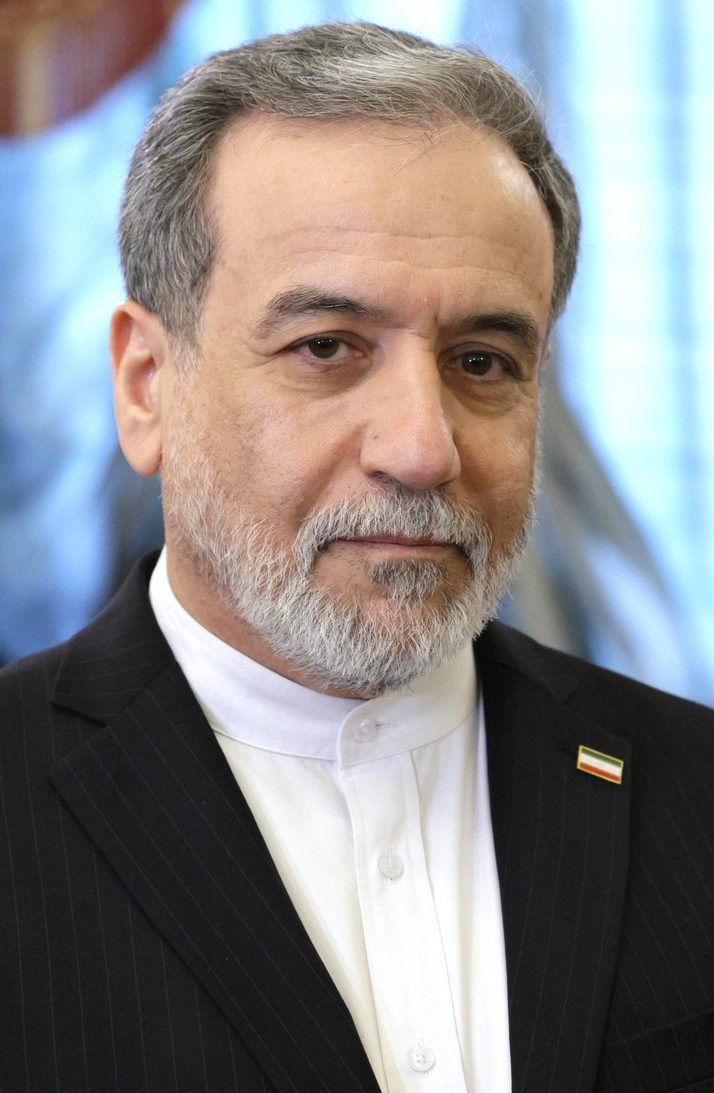
Archive photo · 27 April 2026Abbas Araghchi Ties Regional Security To Ending US Aggression And Israeli Warmongering
“Restoring security to the region requires an end to the aggressive and interventionist actions of the United States”
“He described a meeting in Tehran involving senior officials from Türkiye, Pakistan and Saudi Arabia as an opportunity to explore regional security mechanisms.”
Photo: Kremlin.ru, CC BY 4.0 · Cropped for layout
This article is an automated aggregation of coverage from news outlets. Our editorials offer in-depth analysis curated by the NewsCord team.
End to US aggression and Israeli warmongering to restore West Asia security. Tehran to host four-nation talks (Iran, Turkey, Pakistan, Saudi Arabia) on security.
www.timesofisrael › liveblog_entry › iranian-fm-another-attack-by-th... was read line by line by the Watchdog: 3.0. See the score →
Araghchi calls for end
Iranian Foreign Minister Abbas Araghchi said restoring regional security hinges on “cessation of American aggression” and “Israeli warmongering,” during a telephone conversation with Jordanian counterpart Ayman Safadi on Tuesday. Araghchi told the conversation that “US aggression in Persian Gulf threatens energy security, economic growth,” and he linked the claim to what he described as the “latest unprovoked US and Israeli military aggression against the Islamic Republic.” Araghchi said the US-Israeli war against Iran began on February 28, claiming the lives of more than 3,000 people and wounding more than 32,000, and he said Iran responded with “at least 100 waves of decisive and successful retaliatory strikes.”
Araghchi said Iran “closed the strategic Strait of Hormuz” in retaliation for the waterway’s being used to facilitate aggression, and he said Iran reopened the chokepoint but was forced to “reestablish the closure” after continued American violations. Araghchi also condemned an earlier terrorist attack on a Greek Orthodox church in Jordan’s southern governorate of Karak that killed seven people and injured dozens, and he expressed condolences to survivors while Iranian and Jordanian officials emphasized diplomacy and political consultations.
Baghaei pushes regional mechanism
Iran’s Foreign Ministry spokesman Esmaeil Baghaei said at a press conference in Tehran on Monday that achieving sustainable security requires “trust and cooperation among all countries.” Baghaei said a meeting in Tehran with senior officials from Saudi Arabia, Turkiye, and Pakistan focused on issues including Israeli expansionism and U.S. military aggression against Iran, and he described it as a starting point for “a regional security mechanism that aligns with their own interests and priorities.” Baghaei accused the United States of seeking to launch military strikes against Iran under the pretext of destroying Iran’s nuclear program, and he said the international community should recognize that the U.S. uses the so-called “Iranian nuclear threat” as an excuse to wage war.
Baghaei warned that Israel was “highly adept at carrying out false-flag operations,” and he said Iran was closely monitoring developments while its armed forces would not hesitate to defend the country’s territory. Baghaei also said the outcome of Israel’s parliamentary election on Tuesday would make no difference to Iran, and he criticized Israel’s record in West Asia as bringing “violence and massacre.”
Araghchi rejects US return
Iranian Foreign Minister Abbas Araghchi warned that a return to military conflict by the US would not make Iran change its stance, saying, “Whether there is war or not, our policies remain the same.” Araghchi said “Everyone must accept that fundamental and strategic changes have occurred in the region,” and he insisted that “the management of the Strait of Hormuz will not return to what it was before.” Araghchi said, “The current war has changed everything,” and he added that “the routes in the Strait of Hormuz will not be the same as the previous ones.”
Shafaqna reported that Araghchi reaffirmed Tehran’s foreign policy toward the region by stressing the importance of laying foundations for peace and stability through joint efforts by regional countries away from external interventions. Shafaqna also reported Araghchi’s criticism of security architectures based on foreign presence, saying American bases “failed to provide security for host nations,” and he argued their continued presence would worsen instability.