Iran · updated 3h ago · 3 min read
Araqchi Meets Fidan, FMs in New York, Cites U.S. and Zionist Regime Over Hormuz Insecurity
Araghchi met Philippines' Lazaro on UNGA sidelines to discuss bilateral and regional issues. He framed Hormuz security as diplomatic priority, condemning U.S. and Zionist aggression.
Whether Iran is shown as having tried diplomacy.
8 of 9 outlets skipped it: iran presented proposals to intermediaries for reopening.
PressTV was read line by line by the Watchdog: 1.9. See the score →
15outlets compared
Same story, two versions
tap a side to read it in full
PressTV
“No one can accuse the Islamic Republic of Iran of not having tried the diplomatic path”Read the original ↗
Mehr News Agency
“restoring shipping security in the region requires an end to America's destabilising actions and economic terrorism.”Read the original ↗
PressTV stresses Iran’s diplomatic efforts and conditions. Mehr foregrounds ending US destabilising actions and “economic terrorism”.
Hormuz diplomacy in New York
Seyed Abbas Araqchi, Iran’s foreign minister, continued consultations with foreign ministers and officials attending the 81st annual session of the United Nations General Assembly in New York, and he discussed regional developments and the Strait of Hormuz. Araqchi exchanged views with Hakan Fidan, the Turkish foreign minister, and Araqchi said the current situation, including insecurity in the Strait of Hormuz, is a direct result of the aggressive actions of the United States and the Zionist regime that began on 9 Esfand 1404 and continued in various forms up to now. Araqchi also met with Mohammad Hassan, the Malaysian foreign minister, and Araqchi praised Malaysia’s positions in condemning the military aggression against Iran and the war crimes committed.
“Restoring trust in the United Nations depends on defending the Charter.”
Araqchi briefed his Malaysian counterpart on the latest developments related to the Strait of Hormuz, including the status of the bilateral understanding between Iran and Oman on defining safe navigation routes through this strait. Araqchi met Khallil al-Rahman, the president of the 81st session of the United Nations General Assembly, and Araqchi stressed that restoring trust in the United Nations depends on defending the Charter.

Talks with India, Nicaragua
Seyed Abbas Araqchi met Subramaniam Jaishankar, the Indian foreign minister, and the Iranian foreign minister described America’s breach of commitments and its aggressive stance against Iran, including naval blockades and incursions against Iran’s commercial shipping, as the main source of insecurity in the region and in the Hormuz Strait. Araqchi told his Indian counterpart that the two ministers updated each other on the latest status of Iran–Oman talks regarding establishing a safe passage for shipping through the Hormuz Strait and on continuing mediation efforts to convey the necessary conditions and components needed to return to the diplomacy process. Araqchi also held talks with Valdrack Ludwig Yantseke Whitaker, the Nicaraguan foreign minister, and Araqchi commended Nicaragua’s responsible approach, including its condemnation of the US–Zionist military aggression against Iran and its consistent opposition to the occupation and genocide in occupied Palestine.
Araqchi emphasized the war crimes allegedly committed by the US and the Zionist regime against Iran and the ongoing oppressive sanctions, and Araqchi stressed that the Islamic Republic of Iran will stand firm against the excessive demands and bullying of the US and the Zionist regime. Araqchi met Maria Theresa Lazaro, the Philippine Foreign Secretary, and Araghchi said “There is no way forward other than a negotiated solution based on dignity and justice and ensuring the legitimate rights and demands of the Iranian people.”
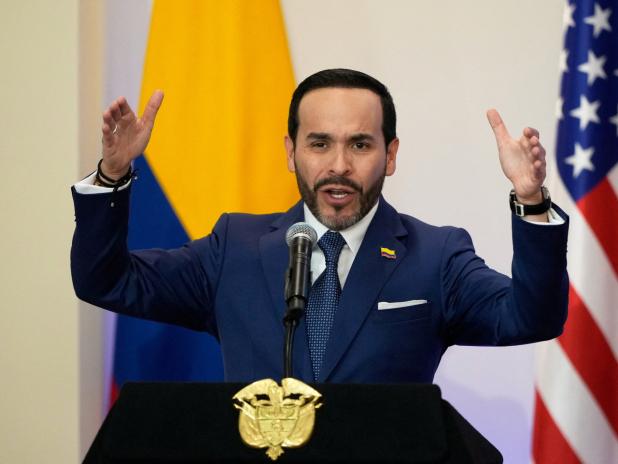
Colombia cuts ties with Iran
Colombia said on Thursday it had cut diplomatic ties with Iran, and the decision took effect on September 19, according to the Colombian government’s statement. Colombia’s government said the decision to cut ties with Iran was based on “hemispheric national security” considerations, and it accused the Iranian government of having ties to “narco-terrorist groups that threaten the security of the country,” without giving proof of the allegations. Iran’s foreign ministry hit back on Friday, calling the allegations “baseless claims,” and Iran’s foreign ministry said “none of the claims put forward by the Colombian government to justify this decision are valid or logical.”
Iran’s foreign ministry added that the decision had been made solely under the influence of the Zionist regime and the United States, and it accused the Colombian government of itself being under the influence of drug cartels. Colombia said it would maintain consular relations with Iran while the diplomatic ties were cut.