Entertainmentupdated 1h ago2 min read
Archive photo · 24 August 2024Abdelrahman ElGendy Wins National Book Award After US Visa Denial Blocks New York Attendance
“maintain his eligibility seems to have come down to an acknowledgment of ElGendy’s unique situation in Trump’s America”
“The article led to questions about his eligibility for the award in the first place.”
This article is an automated aggregation of coverage from news outlets. Our editorials offer in-depth analysis curated by the NewsCord team.
ElGendy won the 2026 National Book Award for Nonfiction for his memoir about political imprisonment. He was denied a U.S. visa and could not attend the New York ceremony.
Save coverage image
Visa denial, award in absentia
Abdelrahman ElGendy won the 2026 National Book Award for Nonfiction for his memoir Huna: A Memoir of Revolution, Prison, and Becoming, but he could not attend the New York ceremony after US officials denied him a visitor visa. Helen Thomaides, ElGendy’s editor at Hogarth, accepted the award on his behalf and read his statement, including his line, “If you’re listening to this, then a years-long dream of mine has come true, and I’m not there to live it with you.”
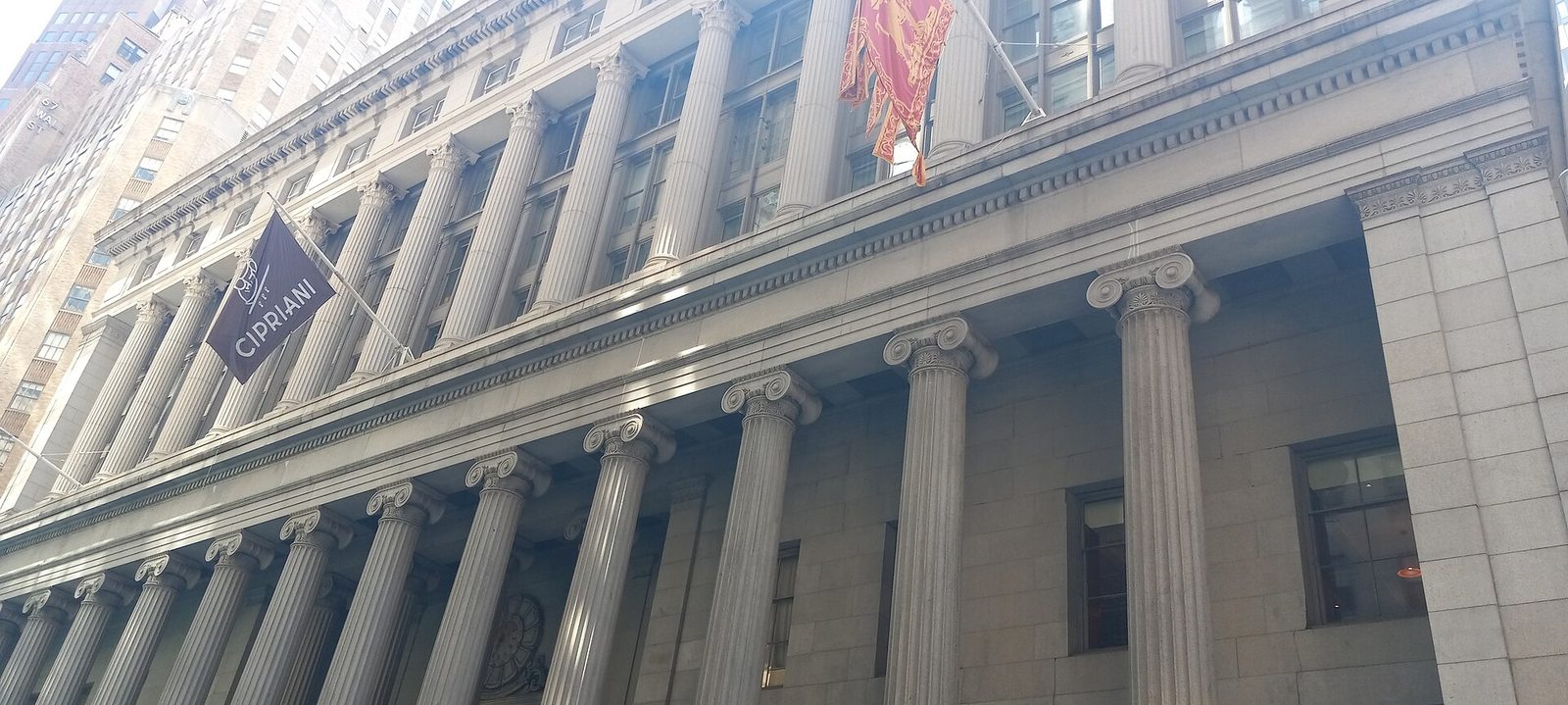
The National Book Awards ceremony took place at Cipriani Wall Street in New York, and the award was announced on November 18 at the 77th National Book Awards ceremony. ElGendy said in his acceptance statement that he wanted to redirect attention to “the more than 60,000 political prisoners still behind the bars of Egypt’s military dictatorship bankrolled by the U.S. government,” and he also referred to “the tens of thousands of souls disappeared in ICE concentration camps.”
Eligibility questions and defenses
The National Book Foundation issued a statement hours before the awards affirming that Huna met its requirements, and it said it expanded eligibility in 2024 to include authors who maintain their primary, long-term home in the US, regardless of immigration status.
The New York Times reported that it uncovered Huna appeared not to be eligible under the foundation’s own criteria because ElGendy did not reside in the United States at the end of 2025, and the foundation vehemently rejected that conclusion.
Publishers Weekly quoted Thomaides saying the author was “not able to return even as a celebrated visitor and it’s ultimately our loss as a nation,” while the National Book Foundation defended its decision by pointing to a publisher explanation that ElGendy was a legal, tax-paying US resident who temporarily left in 2025 over concerns for his safety amid immigration arrests.
ElGendy also described the visa process in his own account, saying the consular officer told him, “Unfortunately, I can't decide on this application now. We have to consult Washington first, then get back to you,” before the application was denied.
Other winners, wider fallout
Hannah Lillith Assadi won the fiction prize for Paradiso 17, and she told the ceremony, “I watched cancer ravage my father’s body, and genocide ravage his people and their children,” linking her acceptance to Palestinian suffering. Brenda Hillman won the poetry prize for Still House in the Desert: An eco-contemplation, and the ceremony also honored novelist Salman Rushdie and pediatrician and literacy advocate Perri Klass with lifetime achievement awards.
The National Book Foundation’s judges described Huna as a “lyric testament to survival and resistance,” and the citation highlighted ElGendy’s account of a father-son relationship built around love, endurance and hope. ElGendy’s editor at Hogarth, Helen Thomaides, delivered his acceptance speech in New York City, and the memoir’s title drew inspiration from the Arab protest song ‘Sawfa Nabqua Huna,’ which translates as “We Will Remain Here.”